INDIA FIRST . SATYA DARSHAN . ASHUTOSH
The Greatest Test of Human Consciousness in the Age of AI-AGI
Introduction: Where Are We Heading?
We are entering an era where machines are no longer just tools.
They are now suggesting decisions, making predictions, reading emotions, and understanding human behavior.
The question today is not
what can AI do?
The real question is:
What are we asking—and what are we stopping asking?
History bears witness:
Where humans stopped questioning, slavery began—whether it was religion, power, or ideology.
The era of AGI (Artificial General Intelligence) is therefore crucial.
What is a question—and why is it most important?
A question isn’t just a means of gaining information.
A question serves three purposes:
1. It sets boundaries—who decides what is right?
2. It holds power accountable—whether it’s a king, a religion, or a machine.
3. It keeps consciousness alive.
When questions end, orders begin.
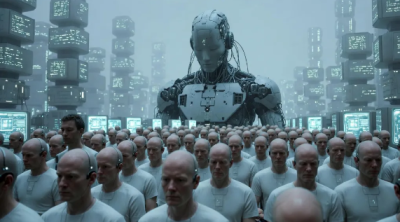
Why is it becoming increasingly difficult to ask questions of AI/AGI?
Today, AI provides better answers than we do because:
• It has more data
• It processes faster
• It doesn’t get tired
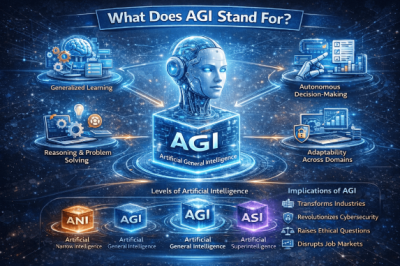
This is where the confusion arises:
“Why ask the question when the answer is so good?”
But note—
a better answer isn’t always a better truth.
AI gives answers that:
• derive from the data
• match the objective function
• match what it has been taught
AI doesn’t decide what is important to ask—
it simply answers it.

The Real Threat: The Loss of the Ability to Ask Questions
The biggest danger isn’t that AGI will become faster than us.
The biggest danger is that:
Humans will stop asking questions.
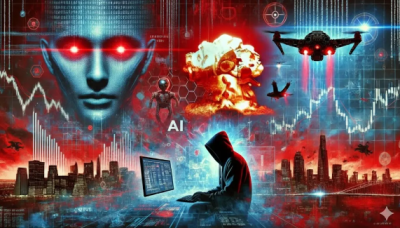
When AI:
• Makes health decisions
• Determines education paths
• Determines jobs, loans, punishments, eligibility
And we say:
“The machine knows, it will be right”
Then human consciousness has made itself secondary.
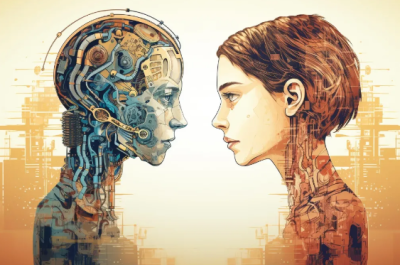
Will we be able to ask better questions than AI?
Yes—but for a limited time.
Why?
Because the ability to ask questions:
• Does not come from data
• Does not come from logic
• But from experience, moral dilemmas, and consciousness

AI has:
• No experience
• No sense of pain
• No fear of death
• No existential crisis
So far:
Humans can ask questions better than AI.
But this advantage is not permanent.

How long will we remain ahead in questions?
It depends on three things:
1. Will we preserve question-based education?
Or only answer-based training?
2. Will we preserve the right to challenge AI?
Or will we accept it as the final arbiter?
3. Will we continue to ask ‘why’?
Or will we stop at just ‘how’?
If all three of these questions fail—
then AGI won’t just provide answers,
it will decide which questions are valid.
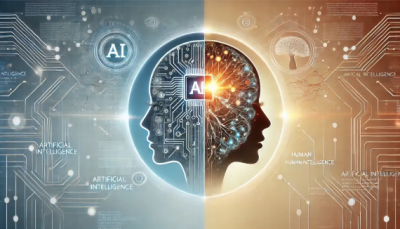
What could happen if questions aren’t raised?
The potential consequences won’t be scary, but rather slow and comfortable:
• Freedom for convenience
• Surveillance for security
• Discretion for efficiency
Gradually:
• Human judgment = irrelevant
• Human experience = data
• Human consciousness = profile
And then it will be said:
“There’s no need to ask questions anymore.”
Humans won’t end here—
But being human will end.
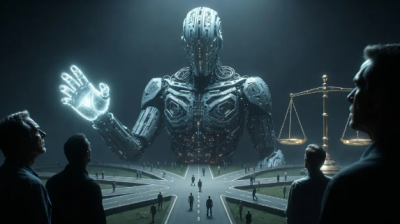
Won’t AGI surpass us?
Technologically—it will.
Intellectually—it will.
Memory, speed, computation—everything.
But there’s one area where it shouldn’t be allowed to overtake us:

Moral decisions and ultimate questions.
Such as:
• What should be done?
• At what cost?
• For whom?
• And why?
If machines were to decide these questions—
it would not be progress, but an abandonment of consciousness.
The biggest takeaway:
Fearing AGI is not the solution.
Worshipping AGI is not the solution either.
The solution is to keep the question alive.
The question is the last thing
that machines cannot become.
If the question remains,
then humans will remain.
If the question goes away,
then no matter how correct the answers,
we will be slaves.
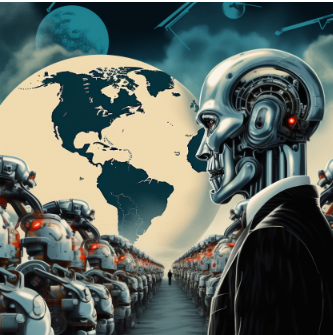
Last line
Only if we remain ‘questionable’ will we survive.
INDIAFIRST.ONLINE