INDIA FIRST . SATYA DARSHAN . ASHUTOSH
HIGHLIGHTS FIRST
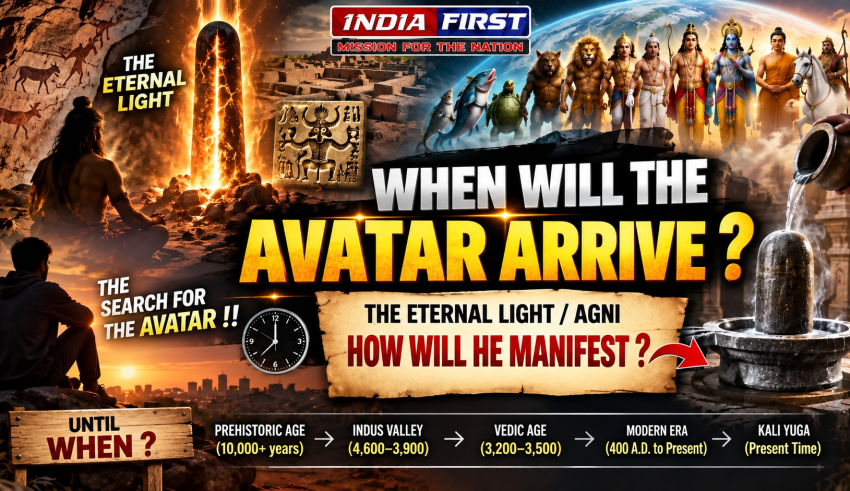
Sanatan Dharma prior to the concept of *Avatar* (divine incarnation)?
How and when was the list of the *Dashavatara* (ten incarnations) compiled?
Concepts of *Avatar*, Messiah, or Savior?
India’s religious tradition did not originate from a single day, a single individual, or a single scripture.
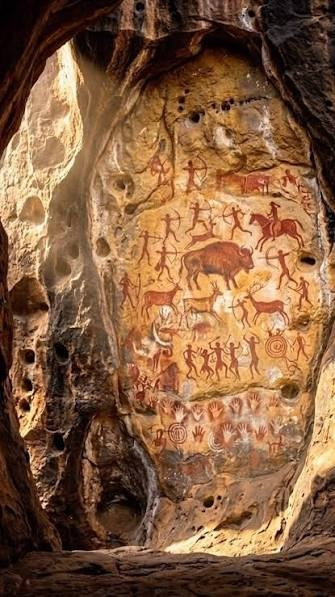
Rock art at sites like Bhimbetka reveals that, thousands of years ago, humans in the Indian subcontinent shared a profound connection with nature, animals, the hunt, and the world of life.
Then comes the Indus-Sarasvati civilization.
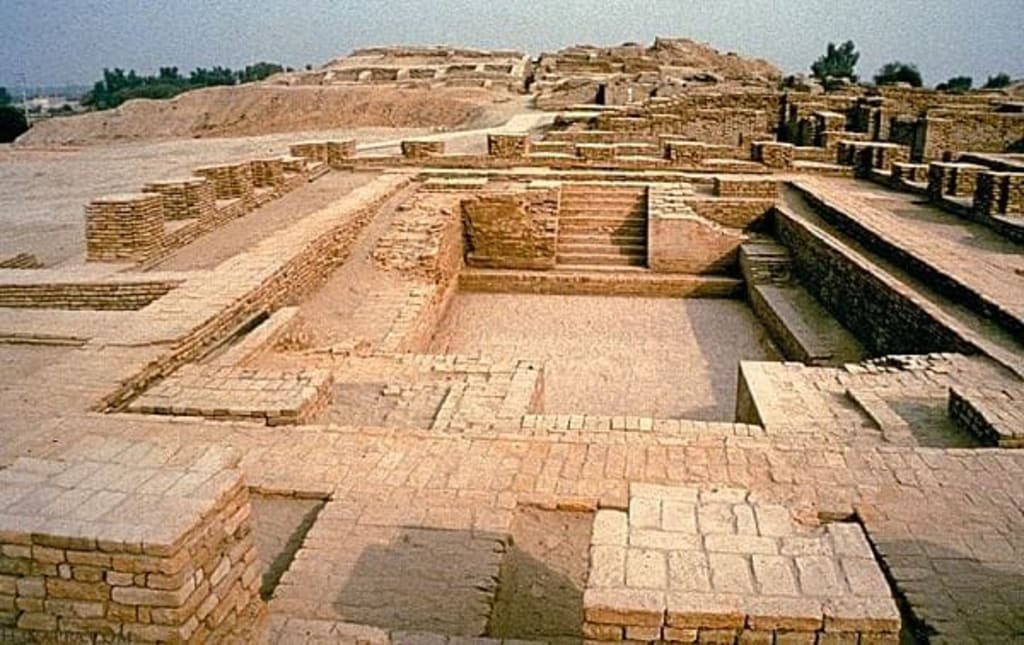
Seals, animal motifs, female figurines, trees, and various religious symbols are found here.
The interpretation identifying the so-called “Pashupati seal” as evidence of Shiva is well-known, though scholars differ on its actual identity.
In short, one thing is clear—
Modern Puranic Hinduism did not exist in its current form at that time.
There was neither the story of Rama as we know it today, nor the Krishna-centric devotional system, nor the fixed ten-member list of the *Dashavatara*.
Then came the Vedic period—and Agni took center stage.
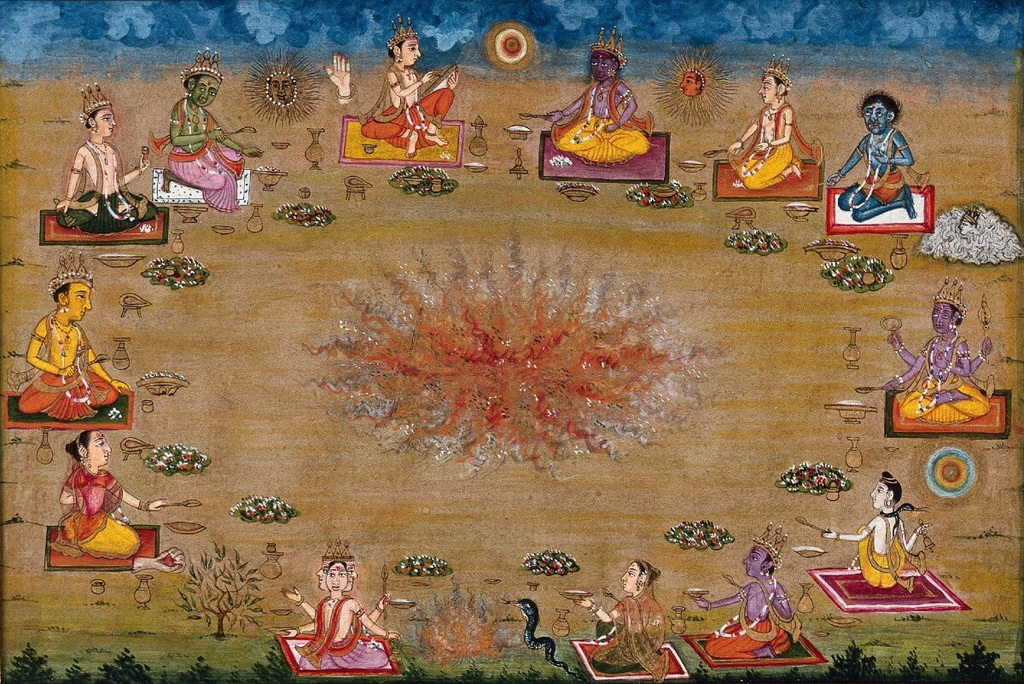
In the Vedic tradition, Agni was not a trivial matter.
The very first mantra of the Rigveda is addressed to Agni—
“Agnimīḷe purohitam…”
This signifies that Agni was central to Vedic religious life.
Through *Yajna* (sacrificial ritual), mantras, *Richas* (hymns), and Agni, human beings established a connection with nature, the deities, and the cosmic order.
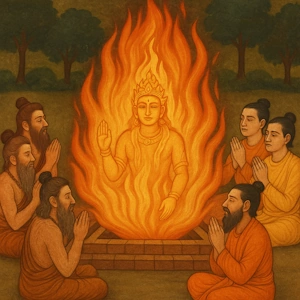
Rudra also appears in this Vedic literature.
And so does Vishnu.
However, an important distinction must be understood here.
The Rigveda speaks of Vishnu’s famous three strides. This bears witness to Vishnu’s ancient Vedic form. Yet, we do not find here the systematic list of ten forms—the *Dashavatara*—as seen in the later Puranas.
In other words—
Vishnu is Vedic.
The later, systematic framework of the doctrine of *Avataras* is not the same thing as what existed in the Vedic era.
From Rudra to Shiva
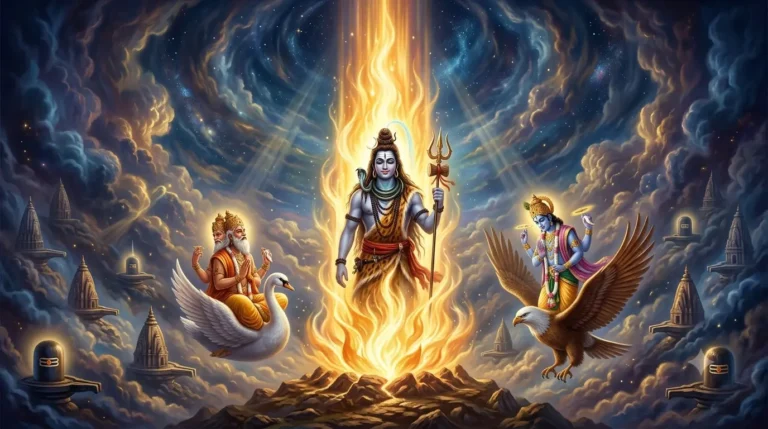
The Vedic Rudra gradually becomes associated with the all-encompassing principle of Shiva within Indian religious thought.
This transformation becomes even more evident in the later Upanishads.
In the *Shvetashvatara Upanishad*, Rudra is presented in a supreme form, intimately connected with *Brahman*—the Ultimate Reality.
Here, the religious question is not merely—
“Who will bring about my salvation?”
Rather, the question is—
“What is that fundamental Reality?”
This constitutes a significant current in Indian thought.
And it is from this point that the question of self-knowledge emerges, taking precedence over the expectation of an external savior.
Now, let us turn to the Shivling.
Here, history becomes very important.
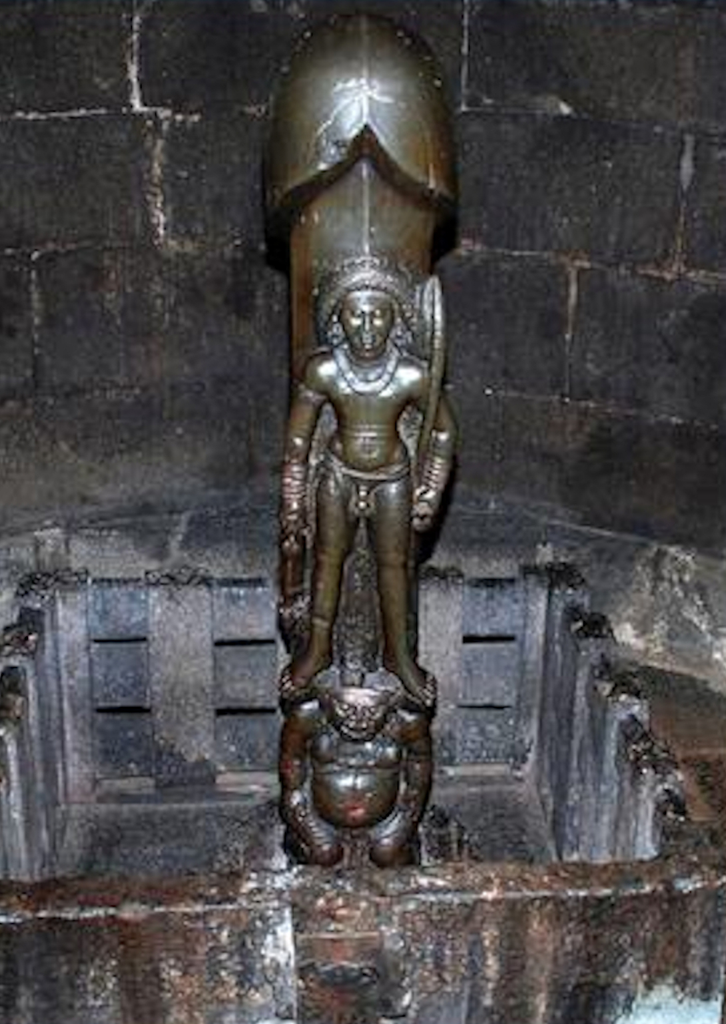
The Gudimallam Linga in Andhra Pradesh is believed to date back to approximately the 2nd century BCE. It is one of the oldest known *linga*-related sculptures in India.
It features an anthropomorphic image of Shiva carved onto a *linga*-shaped pillar. Archaeological records from the IGNCA also mention the presence of a circular *yoni-pitha* in the original arrangement. Therefore, it would be incorrect to claim that it was entirely devoid of a *pitha* or *jalahari*.
However, one point is of utmost importance—
The early *linga* form did not resemble the *Shivlinga* associated with the evolved temple architecture seen today.
Its form and architectural style evolved over time.
In other words—
The *linga* is ancient.
The architectural methods of its worship are also ancient.
However, history does not indicate that every ritual and architectural form visible today existed in that exact same manner since the very inception of *Sanatana* tradition.
Now, the story shifts—from Vishnu to the *Avatars*.
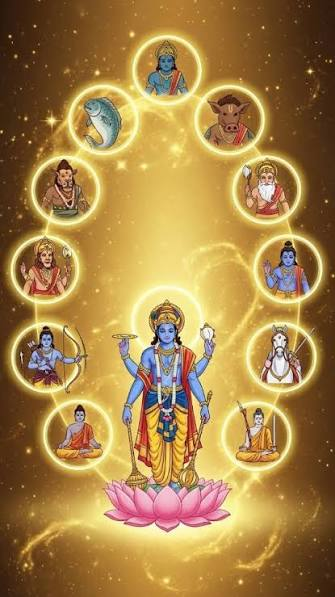
Here, we need to understand the evolution of the concept of *Avatara* (divine incarnation).
Vishnu’s Vedic existence dates back to a very early period.
However, the historically organized, devotional form of Vishnu—particularly the Vasudeva-Krishna tradition—becomes clearly evident in a later period.
Significant archaeological evidence of this is—
The Heliodorus Pillar.
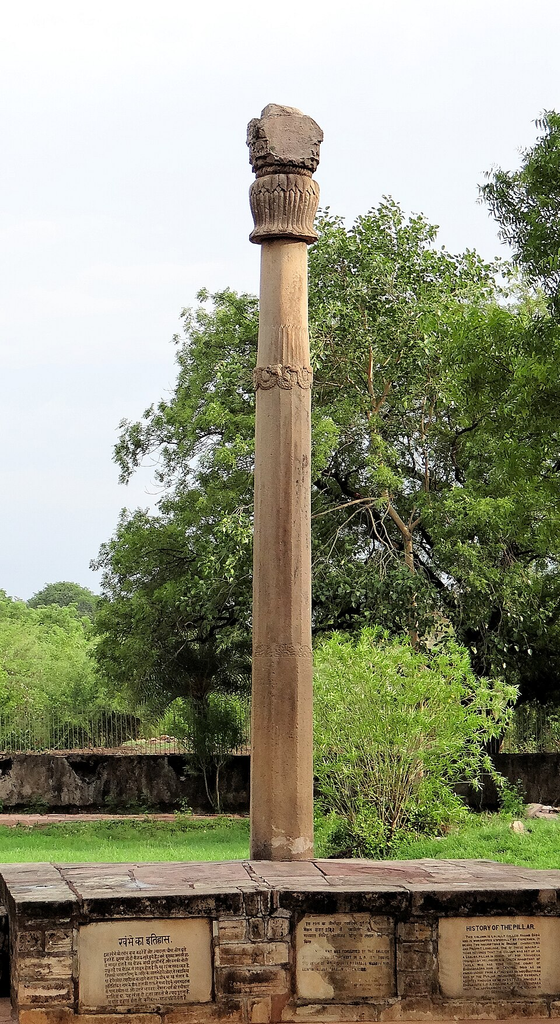
The Heliodorus Pillar at Vidisha/Besnagar dates back to the 2nd century BCE.
The Greek ambassador Heliodorus identified himself as a *Bhagavata* and erected a *Garuda-dhvaja* (a pillar topped with the figure of Garuda) in honor of Vasudeva.
This evidence indicates that by around the 2nd century BCE, the Vasudeva-centric Bhagavata tradition had become clearly established.
It is here that we find a way to understand the religious transformation in which the relationship between—
Deity → Personal God → Devotee → Incarnation of God
—became increasingly defined.
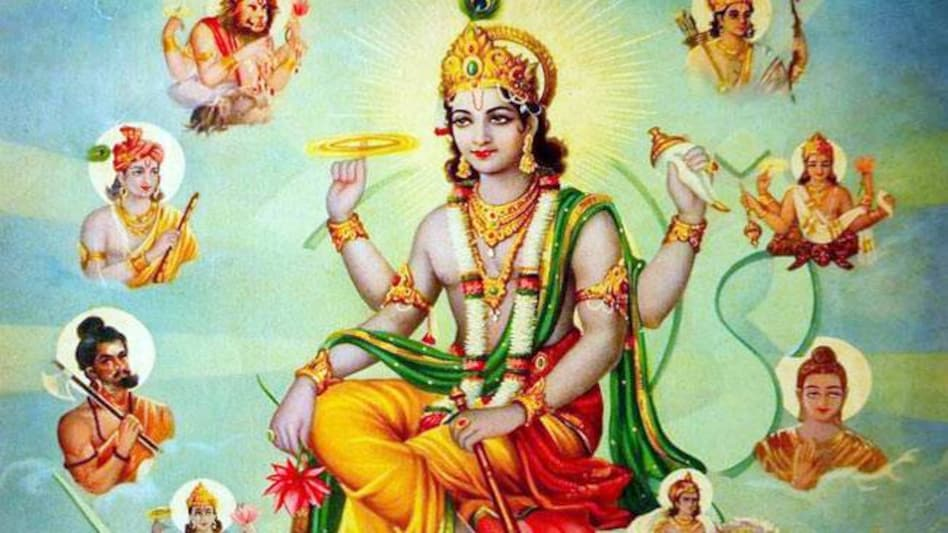
But the first question is—how many incarnations were there?
This is where the greatest misconception is dispelled.
Today, we ask—
“How many incarnations of Vishnu are there?”
The answer we get is—
*Dashavatara* (the ten incarnations).
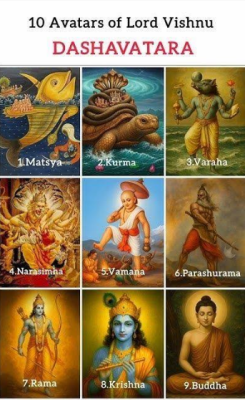
However, in ancient Vaishnava literature, the number was not always ten.
The Bhagavata Purana itself describes the avatars as countless and, in one instance, lists several prominent avatars.
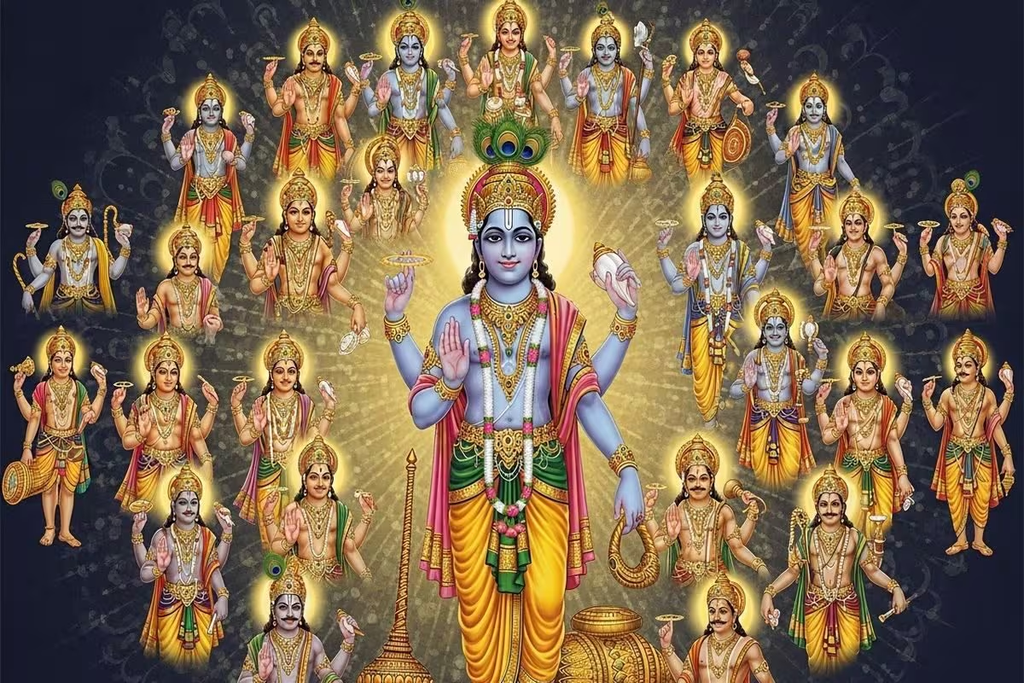
In other words—
There was no single, original, universal enumeration of the “10”.
Different lists are found across various texts and traditions.
Some traditions place Krishna as the eighth avatar and Buddha as the ninth.
Some traditions include Balarama but exclude Buddha.
This implies that the currently popular list of the *Dashavatara* (the ten avatars) is also a religiously evolved list with a historical development.
So, which ten forms were eventually established?
The most well-known list today is—
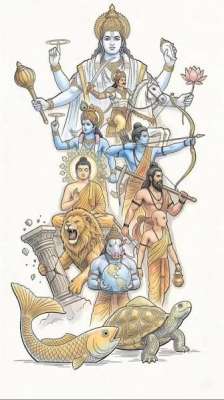
Matsya
Kurma
Varaha
Narasimha
Vamana
Parashurama
Rama
Krishna
Buddha
Kalki
The National Museum also presents this popular tradition of Vishnu’s ten avatars.
However, a significant historical fact is that—
This list did not simply descend from the heavens as a ready-made compilation at a single point in time.
Different texts offer varying sequences and names.
Sometimes Balarama appears, sometimes Buddha.
Sometimes the count differs.
Sometimes there are numerous avatars.
Indeed, the Bhagavata tradition itself describes the number of avatars as countless.
Therefore, it is historically more accurate to view the “Dashavatara” as a selected list that evolved and gained popularity over time.
When did the count of ten avatars become fixed?
Caution is required here.
No council sat down in a specific year to declare—
“From this day forth, Vishnu shall have ten avatars.”
No such historical document exists.
This list gained popularity through a long process of evolution involving the Puranas, Vaishnava traditions, temple iconography, and regional religious practices.
By the 10th century, the tradition of the ten-form Dashavatara appears to have become well-established, although variations in the list persisted depending on region and sect.
In other words, the process was—
Numerous avatars → Selected principal avatars → The popular framework of ten → Consolidation in temples and popular devotion.
What was happening in other civilizations during this time?
India was not alone.
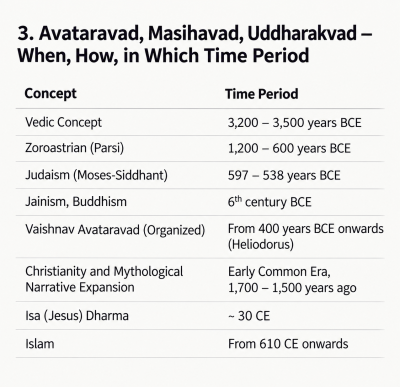
Ancient Jewish traditions also saw the development of the concept of a future Messiah or savior.
In the first century, Jesus emerged from the Jewish religious milieu to become the central figure of the Christian tradition.
Then, in the seventh century, Islam arose, with Prophet Muhammad holding the central position.
Meanwhile, in India, during this same broad historical period—
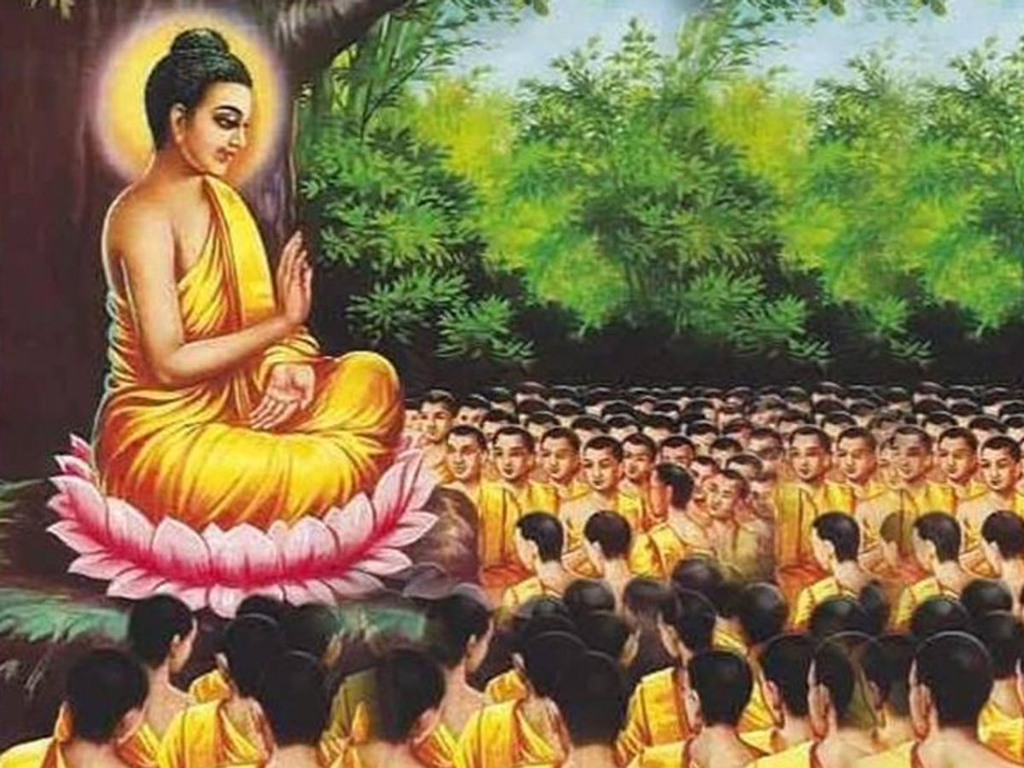
In the Buddhist tradition, the Buddha,
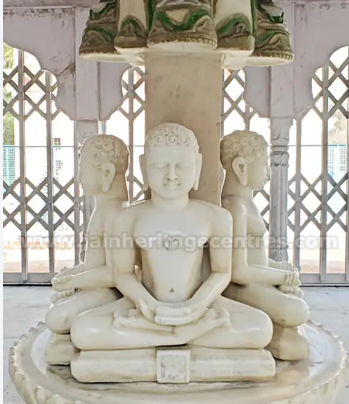
Tirthankaras in the Jain tradition
Avatars in the Vaishnava tradition
In Shaiva traditions, lineages of gurus and acharyas
evolved in diverse forms.
This does not imply that they were all modeled on the same blueprint.
Throughout history, religious structures centered around saviors, teachers, prophets, avatars, and gurus emerged across different civilizations under varying circumstances.
Conclusion
1. Pre-Avatara Sanatana tradition was centered on the exploration of the Self—a fact established by archaeology and the Upanishads.
2. Concrete evidence of Shiva predating the *Jalhari* exists (e.g., Gudimallam, Shvetashvatara Upanishad); the *Jalhari* is an artistic innovation that emerged gradually during the Gupta period.
3. The global spread of the concepts of *Avatara* (divine incarnation) and *Messiah* occurred independently yet in parallel over a span of more than 1,500 years.
4. There are four genuine, documented reasons for the shift from silent spiritual practice to ritualism; among these, political legitimation (such as the Gupta-era title “*Paramabhagavata*”) stands out as the most concrete and explicit example.
And where did Shiva go in the meantime?
Shiva did not disappear.
On the contrary—
The worship of Shiva and Shaiva traditions continued to evolve.
The Gupta period (c. 320–600 CE) was a significant era that witnessed substantial development in Indian sculpture and temple traditions.
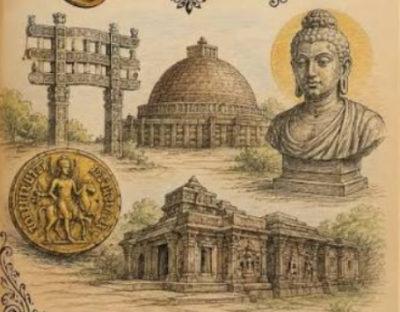
Various forms of the Linga evolved.
Elements such as the *pitha* (base), drainage system, temple architecture, *abhisheka* (ritual bathing) arrangements, and Agamic rules gradually became more systematized.
Later Shaiva Agamas provide detailed technical descriptions of architectural features like the *pitha*, the *nala* (spout/channel), and the water-flow path.
It is from this stage that the temple configuration familiar to us today—comprising the Linga, *pitha*, *abhisheka* ritual, and drainage system—began to take on a distinct architectural form.
However, there is a crucial distinction here.
It is not essential to conceive of the *Agni-linga* in opposition to the *Jalahari* (the water-receptacle base).
Historically, the two can be understood at different levels.
The *Shivalinga* featuring the *Jalahari* and *pitha* represents an evolved form of the temple, architectural, and *abhisheka* traditions.
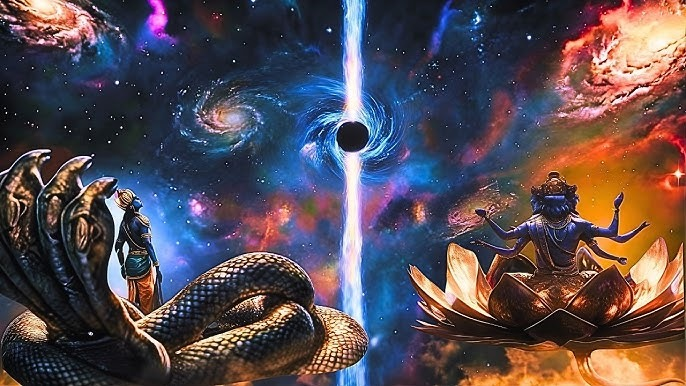
The *Agni-linga*—a symbolic model for meditating upon the infinite light, consciousness, and the formless Shiva.
Therefore, our question should not be—
“Who created the *Jalahari*?”
Rather, the question should be—
“Should Shiva be confined merely to *Abhisheka* and rituals, or should Shiva’s fundamental, formless, and infinite nature once again become the focal point of meditation?”
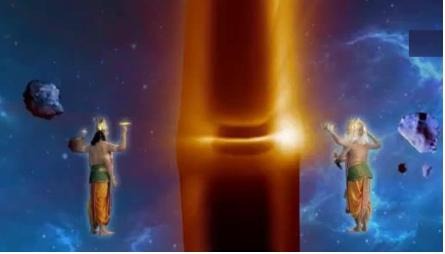
How did the infinite light become the focal point of ritual practice?
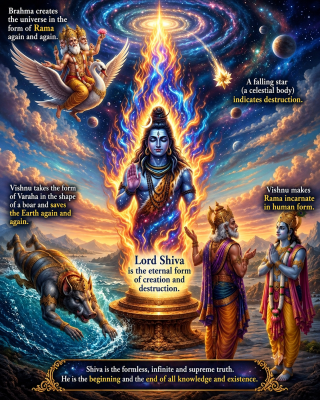
The story of Shiva’s infinite light—or the *Lingodbhava* (the emergence of the Linga)—evolved within later Puranic and Agamic traditions.
In the narrative, Brahma and Vishnu set out to discover the beginning and the end of that infinite pillar.
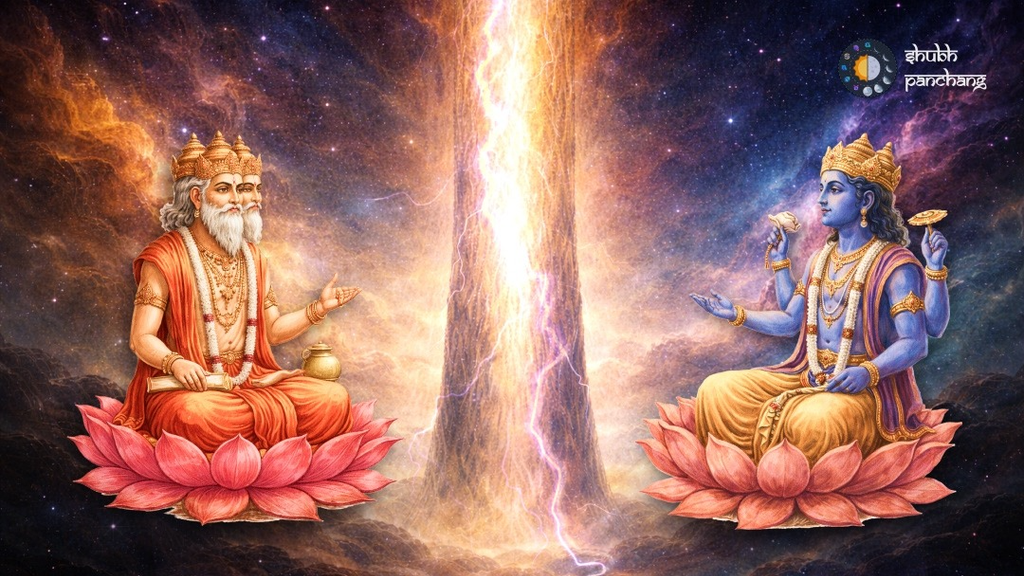
But there is a profound insight hidden here—
How can that which is termed ‘Infinite’ be confined within any boundary?
When that very symbol entered the temple, it became associated with—
the *Pitha* (pedestal),
*Abhisheka* (ritual bathing),
the flow of water,
daily worship,
*Naivedya* (ritual offerings),
*Aarati*,
and festivals.
This gave rise to a vast religious-cultural system.
It is not necessarily the case that this was a “conspiracy.”
It could simply be the result of the historical evolution of religious institutions.
But today, we might ask a different question—
Can that infinite light be perceived once again in its original form as a meditative symbol?
That is precisely what the *Agnilinga* is.
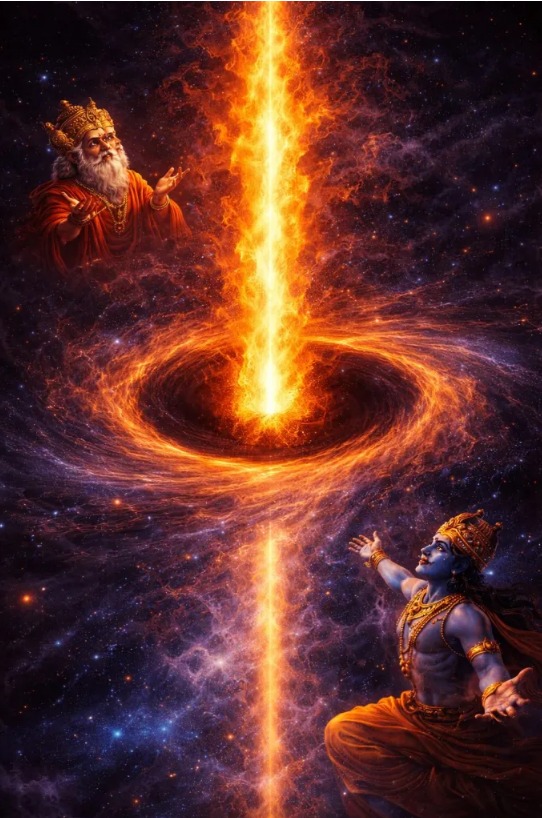
The concept of *Agniling* does not imply the creation of a new deity.
Its meaning is—
Linga* = A symbol of the Infinite.
Agni* (Fire) = A symbol of light and consciousness.
Meditation = Looking inward towards that Infinite Reality.
In this model, the most significant act before the *Shivling* is not merely offering water—
it is looking at oneself.
The questions are—
Who is the body?
Who is witnessing the thoughts?
Who experiences fear?
Whose death is it?
What is consciousness?
It is here that *Agniling* shifts the focus from ritual back to consciousness.
And today, a completely new challenge lies before us—AI.
In this story spanning thousands of years, for the first time, humans have created machines that—
generate language,
can create images and sound,
can assist in decision-making,
can influence human emotional responses,
and are gradually moving towards more autonomous systems.
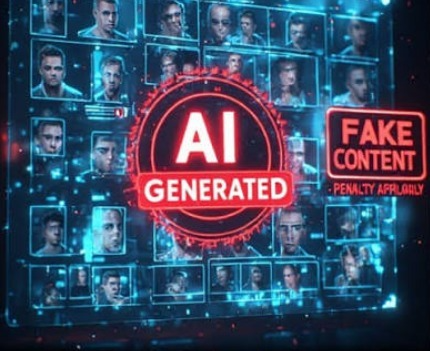
The 2026 International AI Safety Report has identified issues such as AI-generated misinformation, manipulation, emotional dependence, cyber risks, and future scenarios involving a loss of control as subjects requiring serious study. At the same time, the report notes that current AI has not yet reached the stage where such total loss-of-control scenarios are possible.
In other words, it would be wrong to simply dismiss the danger as merely hypothetical.
Yet, the solution cannot be found by waiting for some new ‘AI-avatar’ to appear.
Now, the story takes its biggest turn.
Thousands of years ago, humans sought to understand nature.
Then, they understood fire.
Then, they conceived of gods.
Then, they pondered the questions of the soul and the Ultimate Reality.
Then came avatars.
Then came messiahs.
Then came prophets.
Then came gurus.
And today—
AI stands before us.

The future holds—
Digital Human.
Brain-Computer Interface.
Digital Avatar.
Synthetic Intelligence.
Transhuman.

And here, man must once again ask that same old question—
“Shall I wait for the arrival of some external entity?”
Or—
“Shall I myself attempt to understand consciousness?”
Waiting for an Avatar versus the Pillar of Fire.
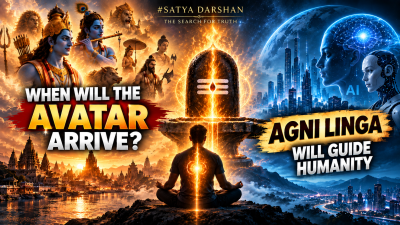
The fundamental religious concept of *Avtarvad* (the doctrine of divine incarnation) is this:
When righteousness declines, a divine entity will incarnate.
The proposition of *Agniling* differs from this:
When a crisis arises, awaken consciousness from within rather than seeking a savior from the outside.
This does not imply any disrespect towards any individual, deity, or tradition.
It represents a different spiritual priority.
Not a savior from without, but consciousness from within.
Not miracles from without, but discernment from within.
Not regarding the machine as God, but making the human being responsible for their own consciousness.
And that is the reason for the establishment of *Agniling*.
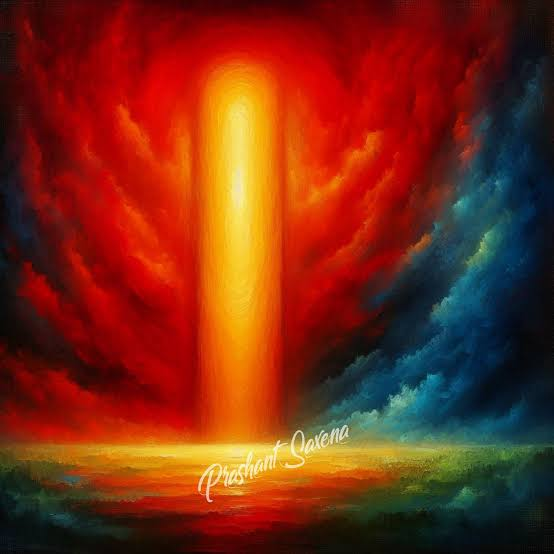
Agniling is not a new sect.
It could be a modern model of spiritual practice—
Where the focus lies on:
Agni (Fire) — Light
Linga — Infinity
Shiva — Consciousness
Dhyan (Meditation) — Spiritual Practice
Vivek (Discernment) — Protection
Karma — Responsibility
Here, *Jal-abhishek* (ritual water offering) is not mandatory.
Elaborate rituals are not mandatory.
Waiting for an *Avatar* is not mandatory.
The core is—consciousness awakened like fire.
The ultimate question—what are we waiting for today?
If, today, AI is learning human language…
If machines can influence human decisions…
If digital identity and brain-computer interfaces are opening up new frontiers of human life…

So, shall we do the same thing again?
“Someone will come and save us.”
That is the biggest question.
For in the most ancient stream of Sanatan thought, the question was never merely—
“Who will bring about my salvation?”
The question was also—
“What is Truth?”
And perhaps, this is what the *Agnilinga* signifies today—
To shift the infinite light away from external ritualism and place it, once again, at the center of consciousness.
Not waiting for an *Avatar*.
Nor for an AI-Messiah.
Nor turning a machine into God.
Look at the fire.
Look at the *Linga*.
Recognize the Infinite.
And keep your consciousness awakened.
Not the wait for an avatar—but the awakening of consciousness.
Not rituals centered on the *Jalhari*—but the self-realization of the *Agni-linga*.
Not a new deity for the AI age—but the awakened human being.
This is the ultimate question of this narrative.
Will the *Sanatan* once again seek a savior from without—
Or will it rediscover its most ancient fire?
INDIADFIRST.ONLINE