
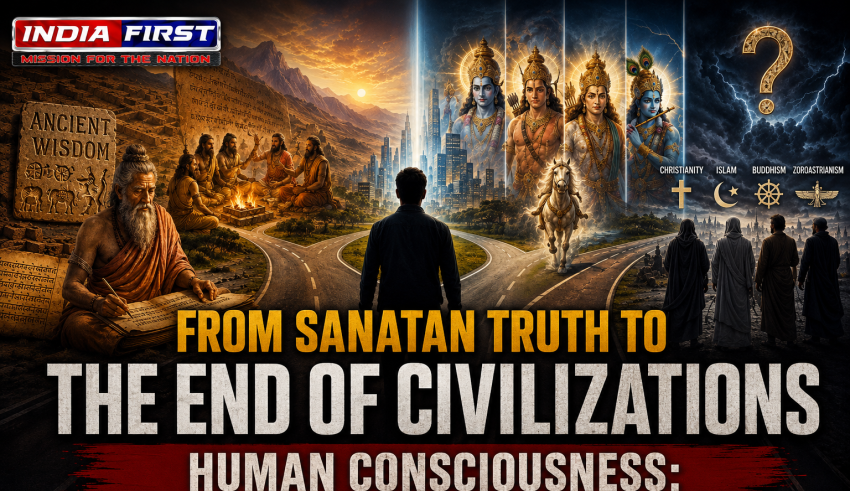
INDIA FIRST . SATYA DARSHAN . ASHUTOSH
And the question that the present age is asking once again:
“Will the final Avatar truly come?”
Brief Disclaimer
This article is based on archaeology, history, comparative religious studies, the evolution of human civilization, and philosophical discourse. Where facts are available, they have been presented based on historical sources. Where conclusions are philosophical, they should be viewed as such.
Introduction
Perhaps the greatest question in human history is not whether God exists or not.
The greatest question is—
How did the concept of God evolve?
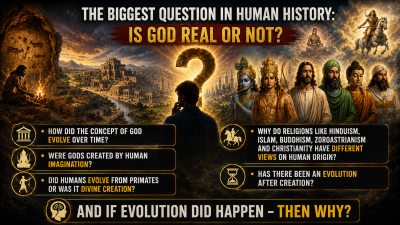
Were the gods always like this?
Did the concept of *Avatars* always exist?
Did concepts like Kalki, Messiah, Mahdi, Maitreya, and Saoshyant exist since the dawn of human civilization?
Or did they evolve later?
And if they did evolve—
Then why?
Chapter 1
What existed before the concept of *Avatar*?
Approximately 30,000 BCE – 3,000 BCE
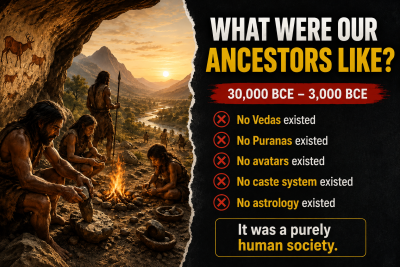
The vastest span of human history belongs to the era when:
There were no Vedas
There were no Puranas
There were no Avatars
There was no Messiah
There was no Kalki
Yet, human society existed.
The earliest religious consciousness
Archaeological evidence found in Europe, Africa, India, and Central Asia indicates that early humans:
Were connected to nature
Revered the power of the Mother (Matri-shakti)
Honored their ancestors
Held the Sun, Moon, Fire, Water, and Earth sacred
Mehrgarh (7000 BCE)
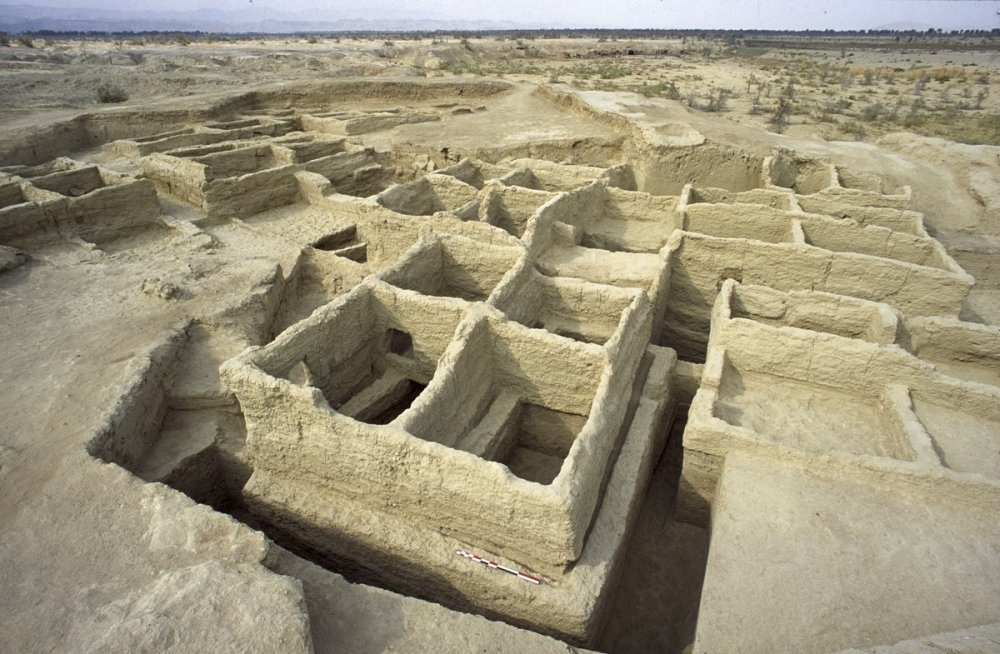
One of the oldest agricultural civilizations of the Indian subcontinent.
Here:
There was agriculture
There was animal husbandry
There was trade
There was early evidence of medicine
But:
There was no concept of *Avatar* (divine incarnation).
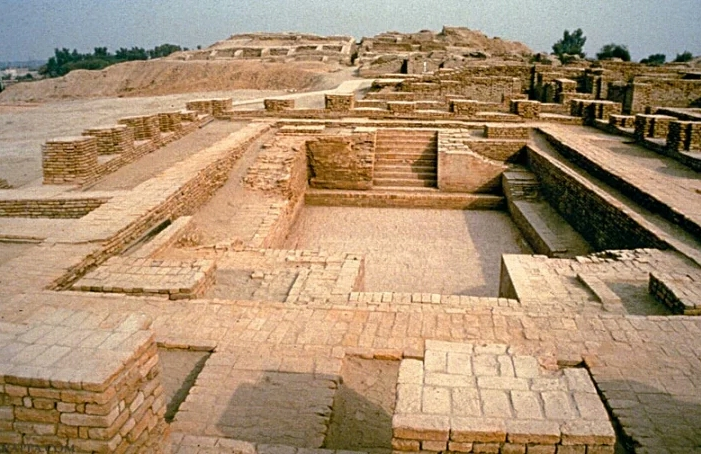
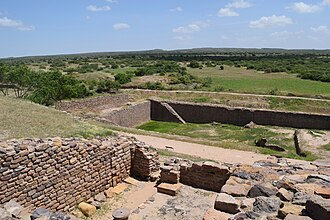
Indus-Sarasvati Civilization (3000–1500 BCE)
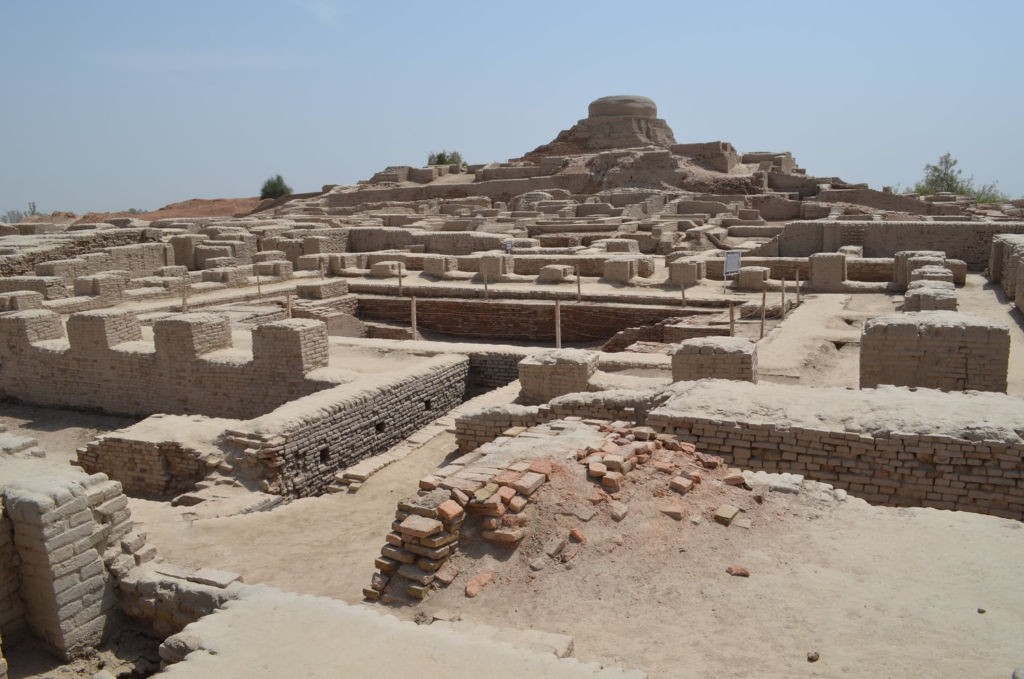
Harappa
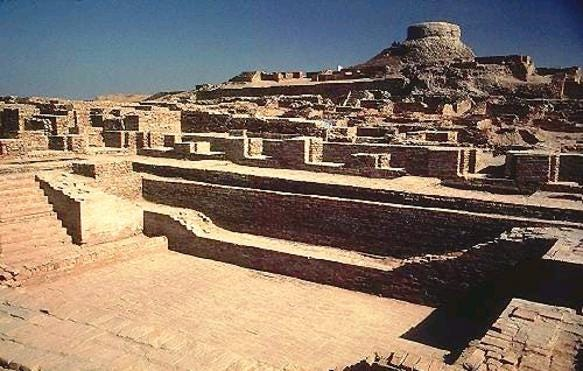
Mohenjo-daro
Dholavira
Rakhigarhi
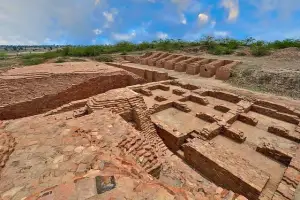
These were not merely cities.
They were fully developed civilizations.
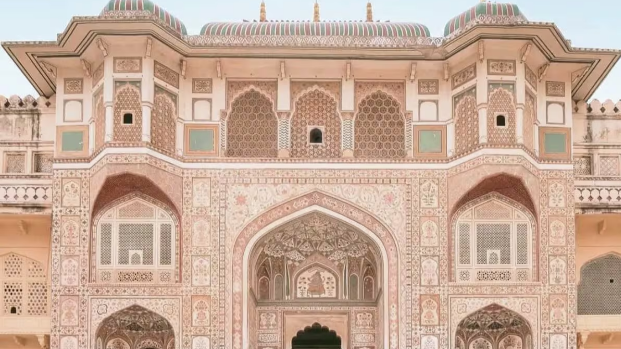
Were there kings here?
Possibly.
But no vast royal palaces, like those in Egypt, were found.
Were there priests?
Possibly.
But there is no clear evidence of an all-powerful religious class.
Did religion exist?
Yes.
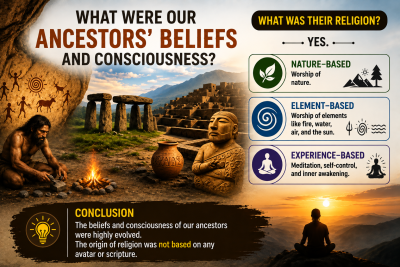
But it appears to be primarily:
Nature-based
Symbol-based
Experience-based.
Conclusion
Human civilization was developed even before the Vedas and the concept of *Avatars* (divine incarnations).
Therefore, history does not support the claim that human consciousness originated with an *Avatar* or a religious scripture.
Chapter 2
Why did the Vedas emerge?
From approximately 1500 BCE to 800 BCE
Society became complex.
Tribes expanded.
Political structures evolved.
The need arose to preserve knowledge.
Rigveda
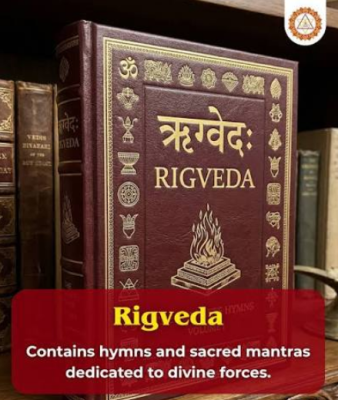
The oldest available Vedic text.
It primarily consists of hymns in praise of:
Nature
Agni
Indra
Varuna
Mitra
Usha
Key facts
In the Rigveda:
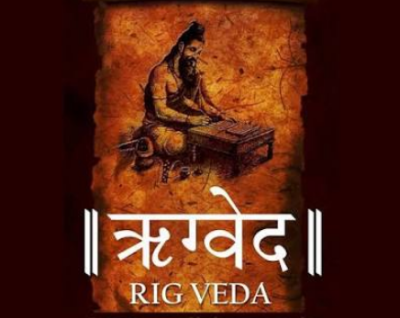
The Dashavatara do not exist.
Kalki does not exist.
Rama does not exist.
Krishna does not exist.
The status of Vishnu:
Vishnu is present in the Rigveda.
But he is not the omnipotent Vishnu of the later Puranas.
He is a cosmic force.
Where is Brahma?
The four-faced Brahma is not found in the Rigveda.
“Brahman” is found.
Which means:
The Ultimate Truth
Cosmic Consciousness
Divine Voice
Chapter 3
The Revolution of the Upanishads

Approximately 800 BCE – 200 BCE
This is where the greatest turning point in human consciousness occurs.
The Upanishads declare:
“Aham Brahmasmi”
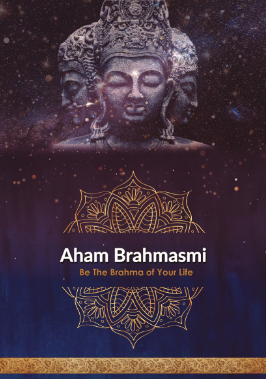
“Tattvamasi”

“Pragyanam Brahma”
Pay attention.
There is no avatar here.
No savior.
No messiah.
The message is clear:
No one is coming to save you.
You must awaken yourself.
Chapter 4
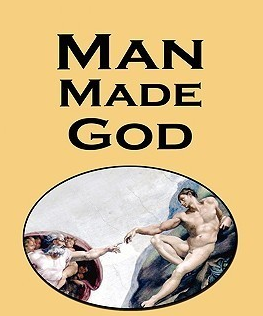
The Beginning of MAN-MADE GODS
Approximately 500 BCE – 800 CE
This is where the world changes.
First Phase
Vasudeva-Krishna Tradition
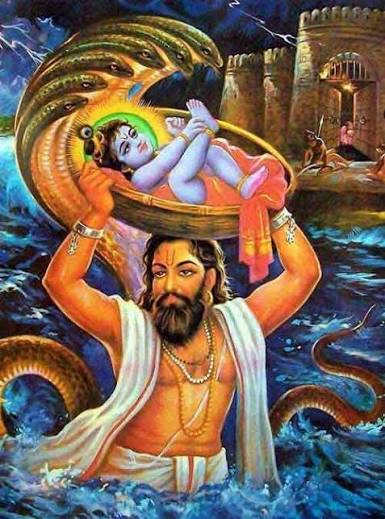
Circa 500 BCE
Krishna is worshipped as a great historical-cultural hero.
Second Phase
Bhagavad Gita
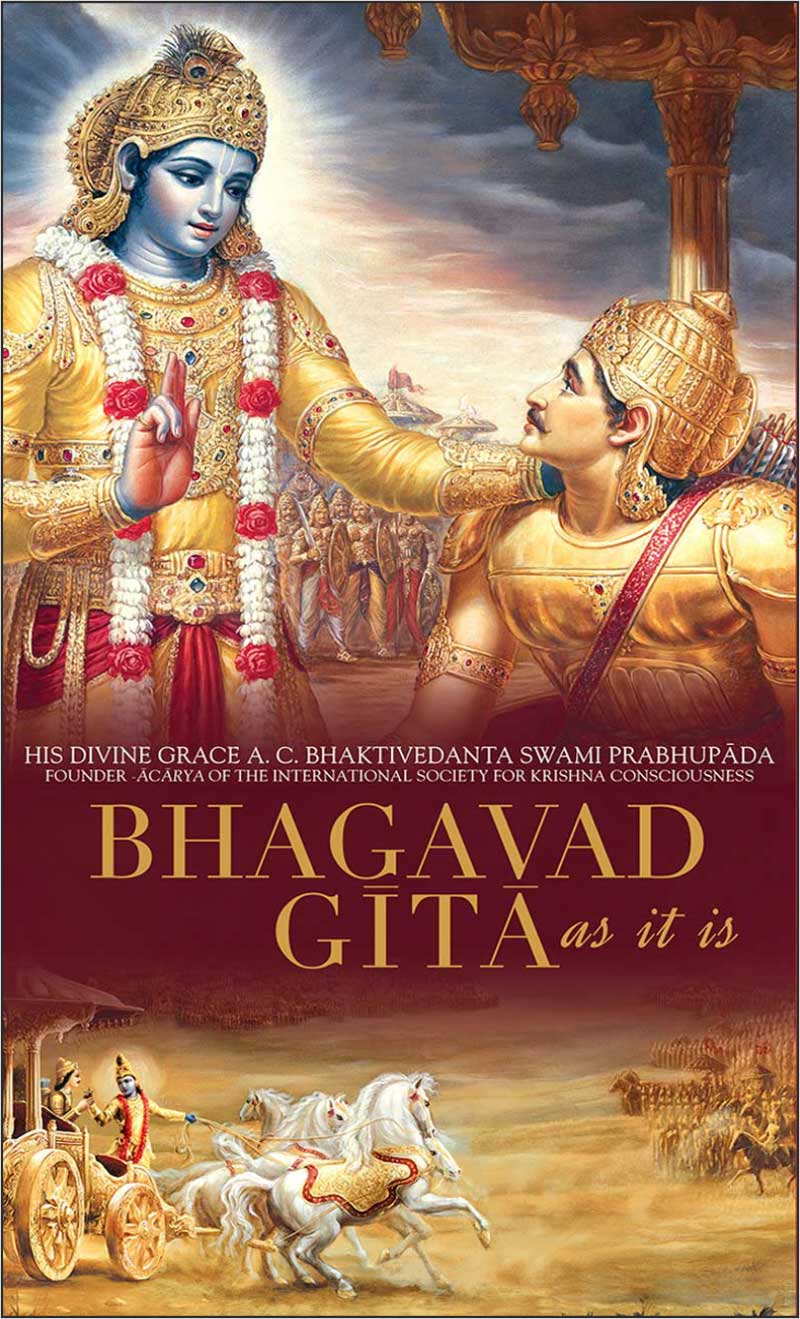
Here’s the first clear announcement:
“Yada yada hi dharmasya glanirbhavati…”
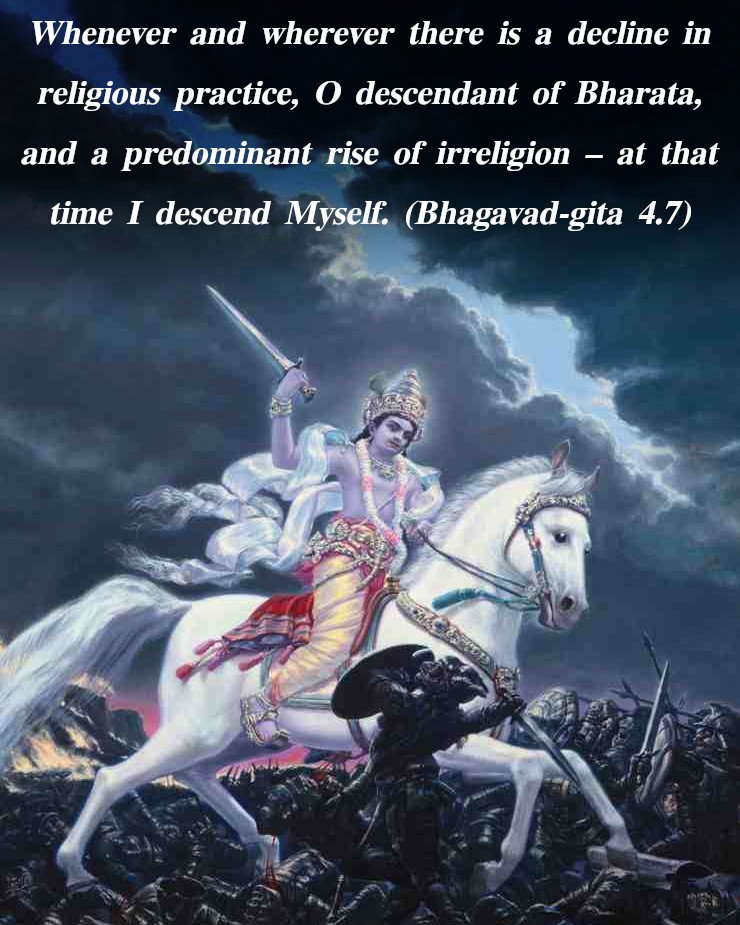
Now, the first thought that arises is:
When a crisis arises,
Divine power will incarnate.
The third phase
The era of the Puranas
300 CE – 800 CE
Here:
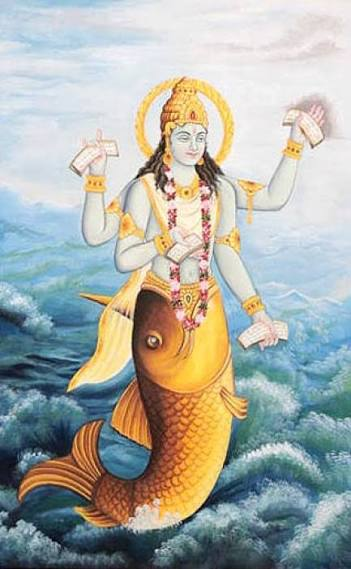
MATSYA
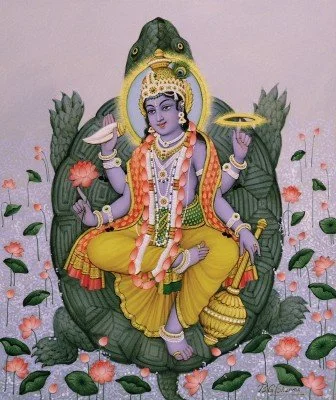
KURMA
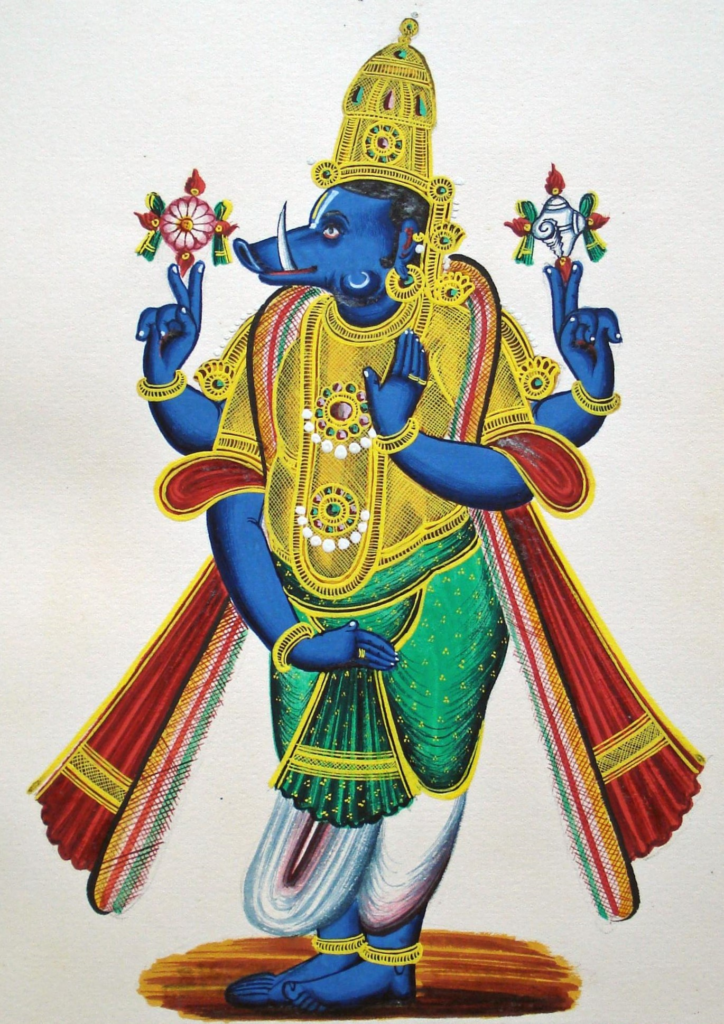
VARAHA
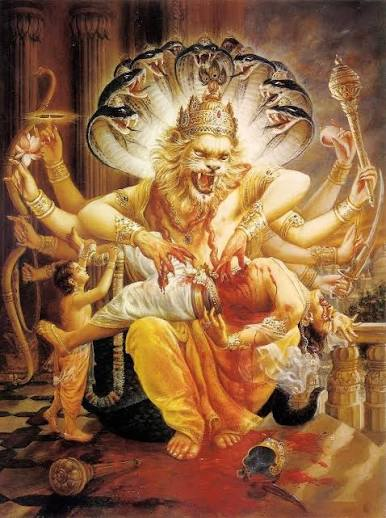
NARASIMHA
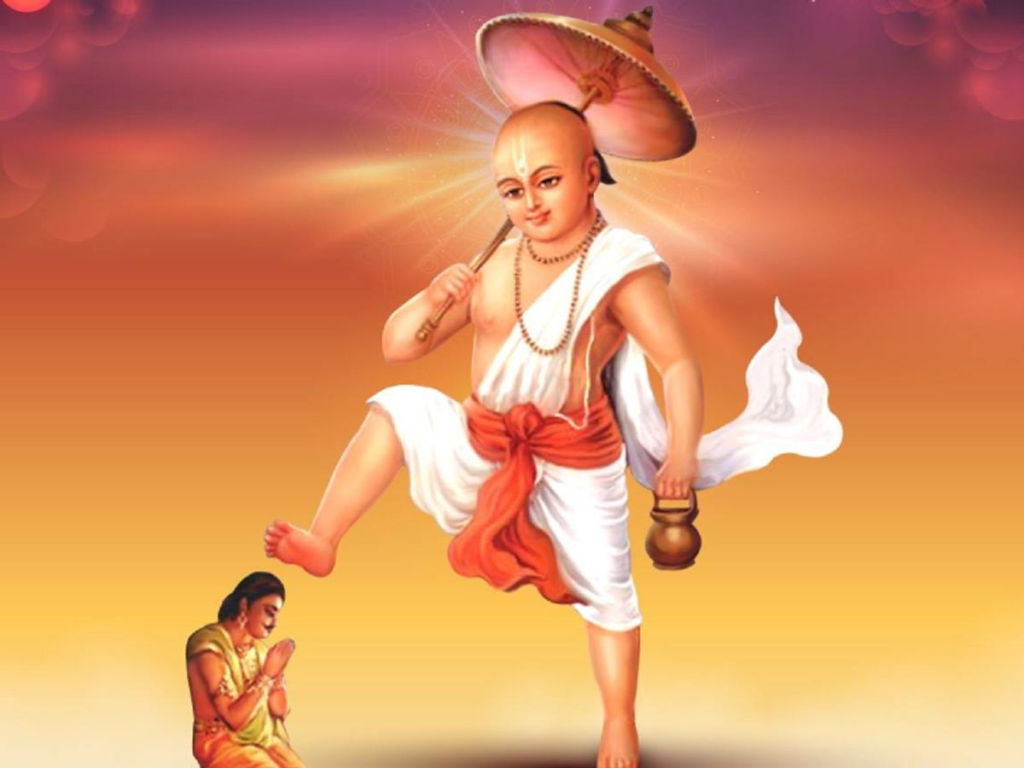
VAMANA
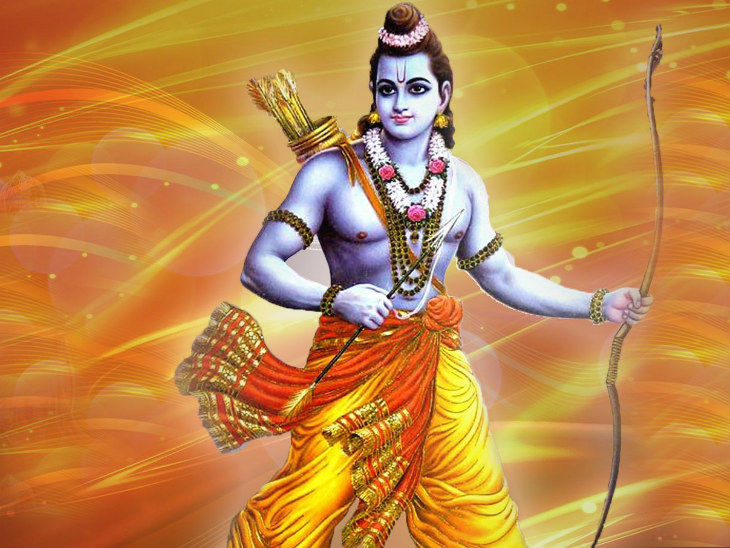
RAMA
KRISHNA
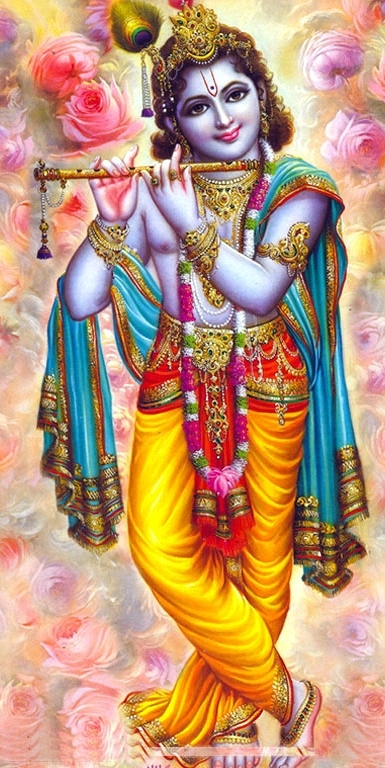
..were woven together into a unified whole.
Historians Dimmitt and Van Buitenen describe this as:
“Systematic incorporation of independent myths into a unified Vaishnava framework.”
Chapter 5
What was happening simultaneously around the world?
During this same period:
Persia
Saoshyant
Jewish tradition
Messiah
Christianity
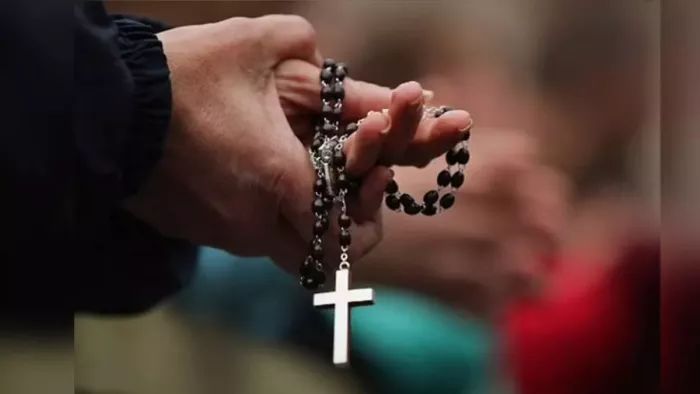
Second Coming
Buddhism
Maitreya
Islam
Mahdi
A common thread runs through them all:
There is a crisis today.
Someone will come in the future.
He will set everything right.
Chapter 6
The Impact of the Concept of *Avatar* (Divine Incarnation) on Human Consciousness
The concept of *Avatar* brought about two major changes.
Positive
Strengthened morality
Instilled hope
United society
Provided a cultural identity
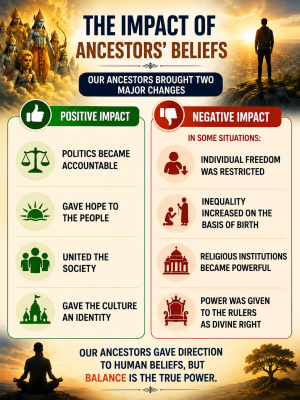
Negative
In certain circumstances:
Individuals began to rely less on themselves
Dependence on an external saviour increased
Religious institutions became powerful
Authority acquired divine legitimacy
Chapter 7
King, Religion, and God
The Gupta Period
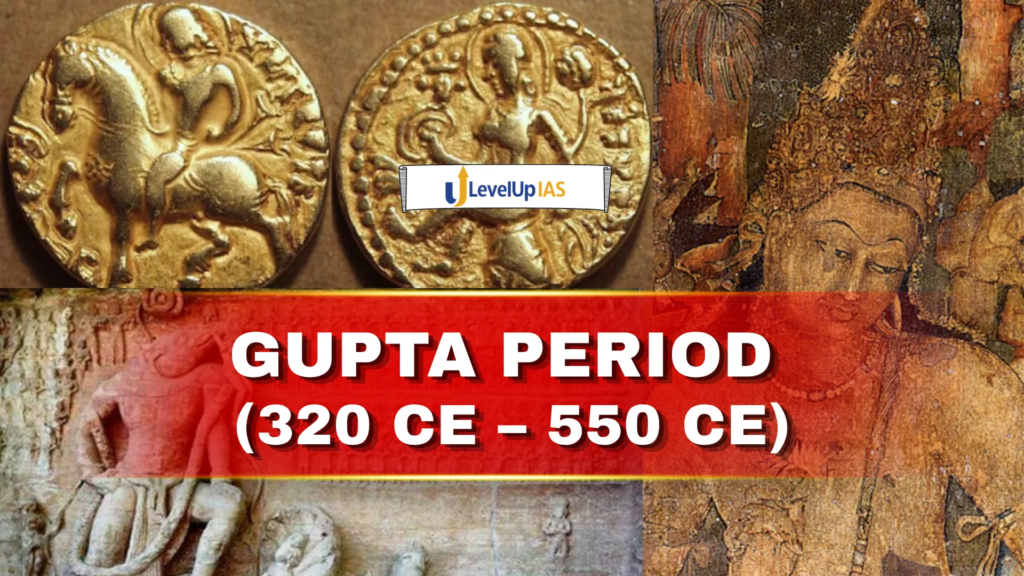
320 CE – 550 CE
King = Paramabhagavata
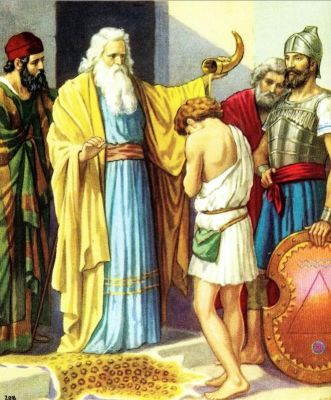
Europe
King = God’s Anointed
Islamic Caliphate
Caliph = Successor of the Prophet
A common structure across all three:
God
↓
Religious Institution
↓
State Power
↓
The People
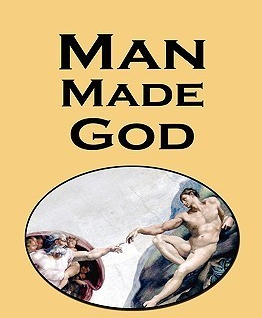
It was at this point that man-made gods ceased to be merely religious concepts.
They also became a political force.
Chapter 8
Is an end to the concept of *Avatar* (divine incarnation) possible?
History shows:
No idea is eternal.
Monarchies changed.
Empires changed.
Religions changed.
Civilizations changed.
So, the concept of *Avatar* can change too.
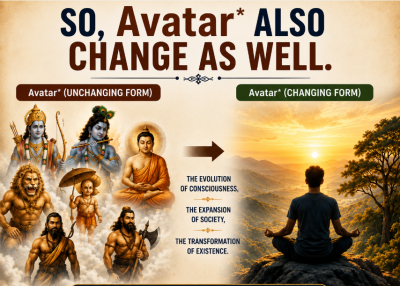
How?
When humans:
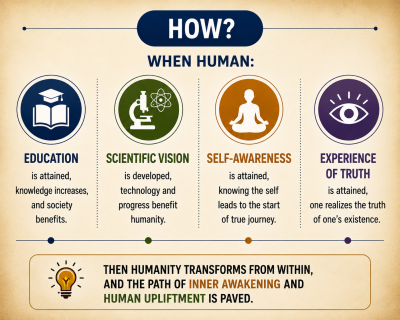
Acquires knowledge
Develops a scientific outlook
Engages in self-exploration
Values direct experience
Then, religious symbols cease to be literal.
They become philosophical.
Chapter 9
Is today’s world moving in that direction?
The signs are mixed.
On one hand:

Meditation
Yoga
Consciousness Studies
Neuroscience
Comparative Religion
…are growing rapidly.
On the other hand:
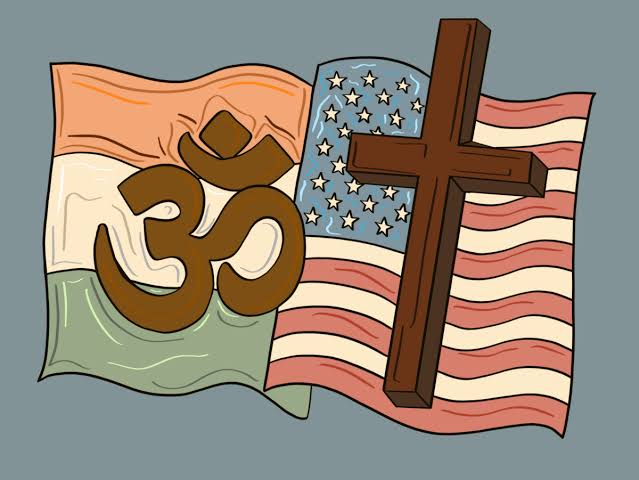
Religious nationalism
Fundamentalism
Messianic politics
Identity-based conflicts
…are also on the rise.
In other words:
Humanity stands at a crossroads.
The ultimate question
So, what existed before that?
If we look at history as a whole—
Then, prior to the concept of *Avatars* (divine incarnations):
There was nature
There was experience
There was direct spiritual practice
There were local goddesses
There were ancestors
There was silence
Then came the Vedas.
Then came the philosophies.
Then came the Puranas.
Then came the *Avatars*.
Then came the Messiahs.
Then came the institutions.
Then came the empires.
Then came the religious industries.
But one question remains exactly as it was thousands of years ago:
Does truth lie outside?
Or within?
The Upanishads say:
“Tat Tvam Asi”
The Buddha says:
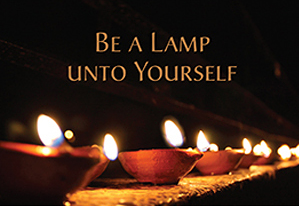
“Be a lamp unto yourself.”
Kashmir Shaivism says:
“Chittameva Shivah”
And perhaps the oldest voice of human consciousness says this:
The truth you seek outside,
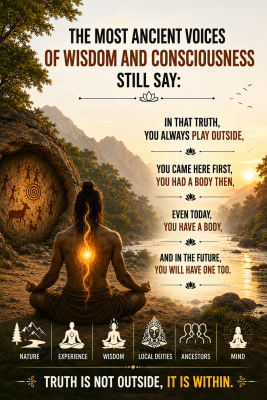
He was within you before,
He is within you today,
And in the future, too, He will be found there.
A Vision of Truth:
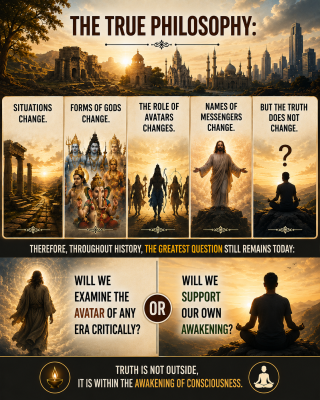
Civilizations change.
The forms of deities change.
The lists of avatars change.
The names of messiahs change.
But the question of consciousness remains unchanged.
That is why the greatest question of history remains the same today:
Shall we wait for a future avatar?
Or shall we dare to awaken ourselves?
INDIAFIRST.ONLINE