INDIA FIRST . SATYA DARSHAN . ASHUTOSH
Legal/Editorial Disclaimer
This article is published for the purpose of independent intellectual and historical discourse. The views expressed herein are those of the author; religious narratives, historical interpretations, and speculations regarding the future should not be regarded as established facts or proven conclusions. The article does not aim to hurt the religious sentiments of any religion, sect, community, or individual, nor to incite hatred or discrimination. Readers are encouraged to verify the claims through independent sources.
HIGHLIGHTS FIRST
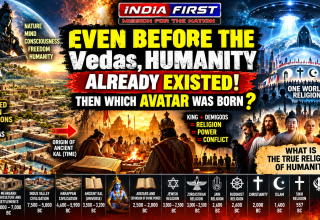
Human civilization existed even before the Vedas!
Then, who is the Creator of the universe? How did Brahma come to be?
Since when have stories of *Avatarvada* (the doctrine of divine incarnation) existed?
Should humans rely on their own experience, or simply accept what has been written or told?
Why should humans surrender their consciousness to someone else?
Subheading: From the agricultural civilizations of approximately 10,000 years ago to the Vedic era of 3,500 years ago, the expansion of the *Avatar* doctrine 2,000 years ago, and the current AI age—have humans consistently surrendered their independent consciousness to an external savior, scripture, or authority?
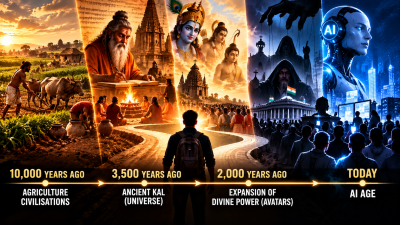
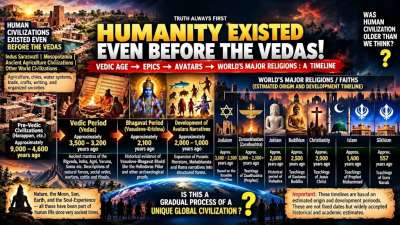
1. First, understand the timeline: Humans, civilization, and the Vedas.
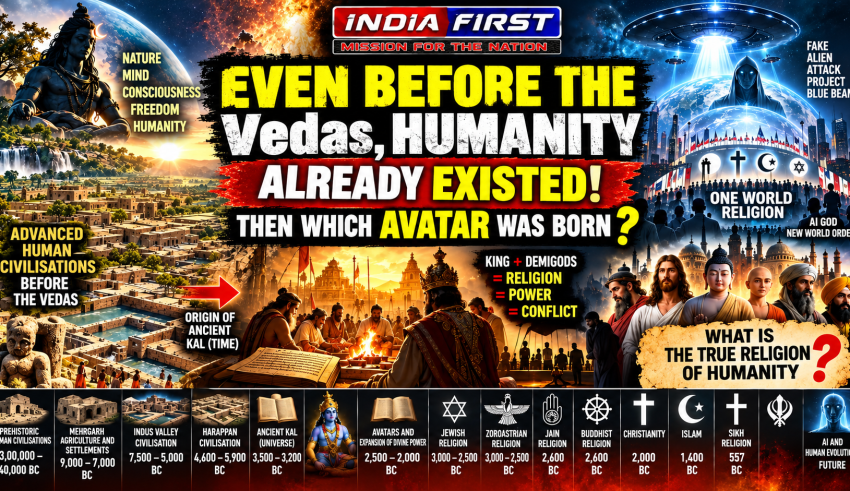
Religious narratives attribute the beginning of creation to Brahma. However, archaeology and science present a completely different timeline.
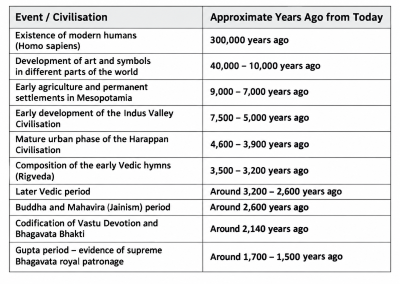
The dates are approximate. Dates for the prehistoric period are based on archaeology; there are scholarly differences regarding the dates associated with Vedic and religious traditions.
Now the question arises—
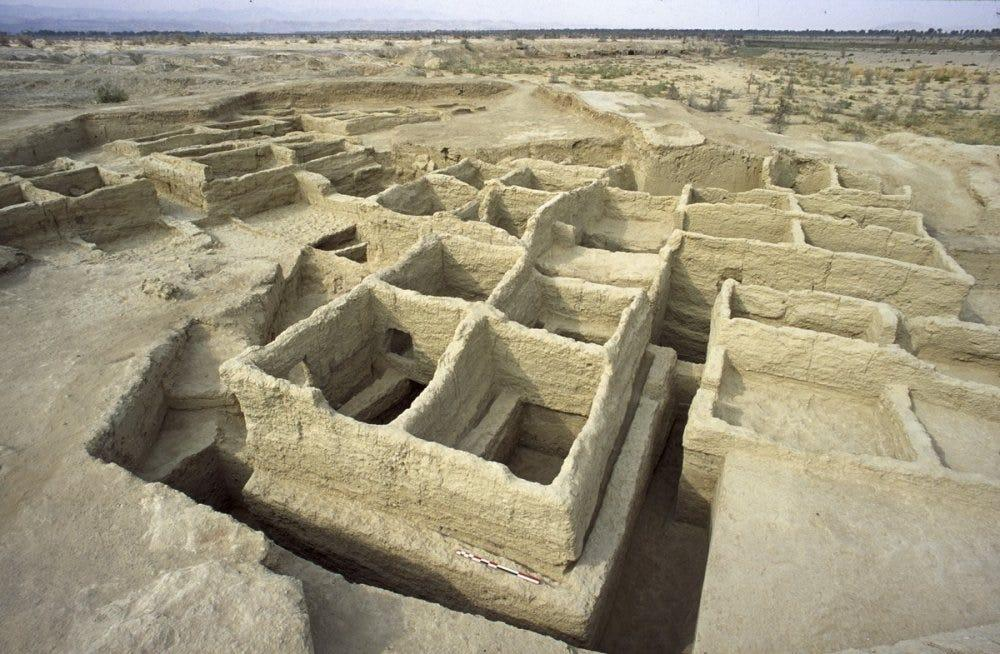
When systems for drainage, trade, standardized construction, and organized urban life existed in Harappan cities approximately 4,600 years ago, did humans begin to build civilization only after the Vedas were composed by Brahma?
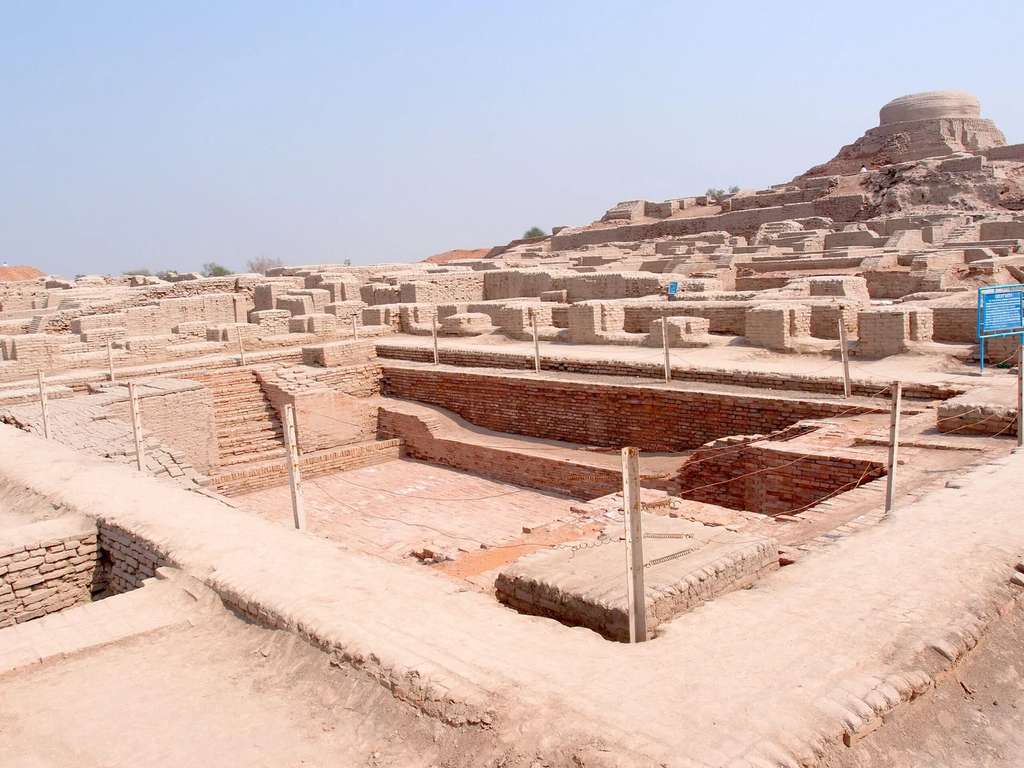
Archaeological evidence suggests otherwise.
The people of the Harappan civilization built cities prior to the established dating of the Vedas. Agriculture and permanent settlements existed at Mehrgarh even earlier.
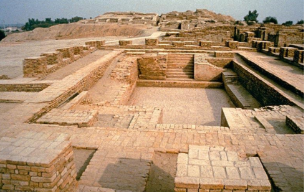
This means that the history of human civilization does not begin with any single religious text.
2. Brahma created the universe and composed the Vedas—is this historically proven?
Science estimates the age of the universe to be approximately 13.8 billion years and that of the Earth to be about 4.54 billion years. The archaeological timeline of human civilization is also established independently of religious creation myths.
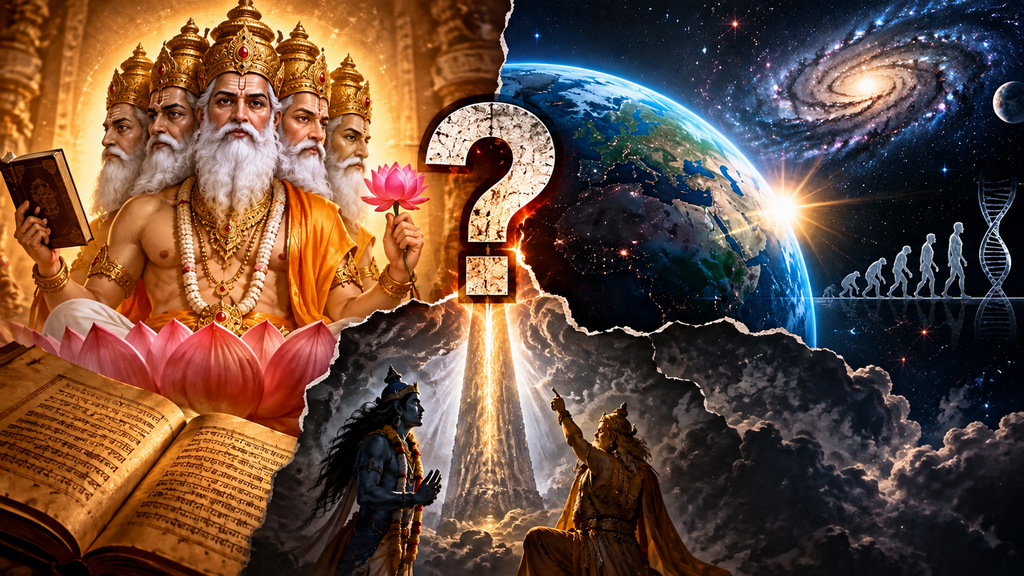
The issue here is not the insult of any deity, but rather the tendency to treat the narrative as historical evidence.
Then, why the story of Brahma’s fifth head?
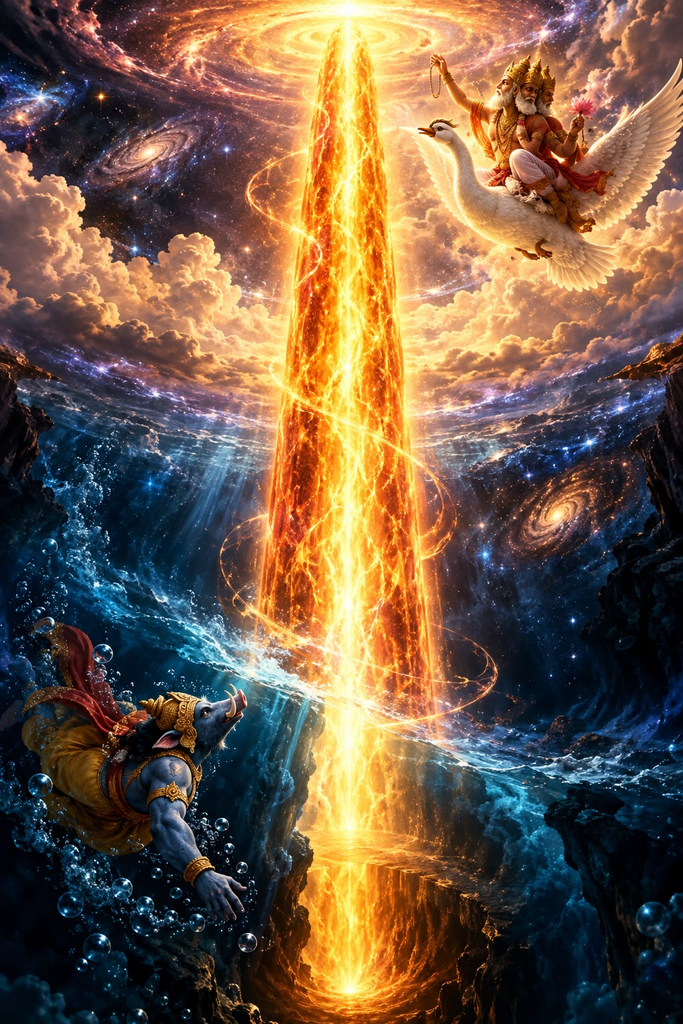
In a well-known version of the Puranic tales concerning *Lingodbhava* and Bhairava, Brahma and Vishnu set out to discover the beginning and the end of an infinite pillar of light.
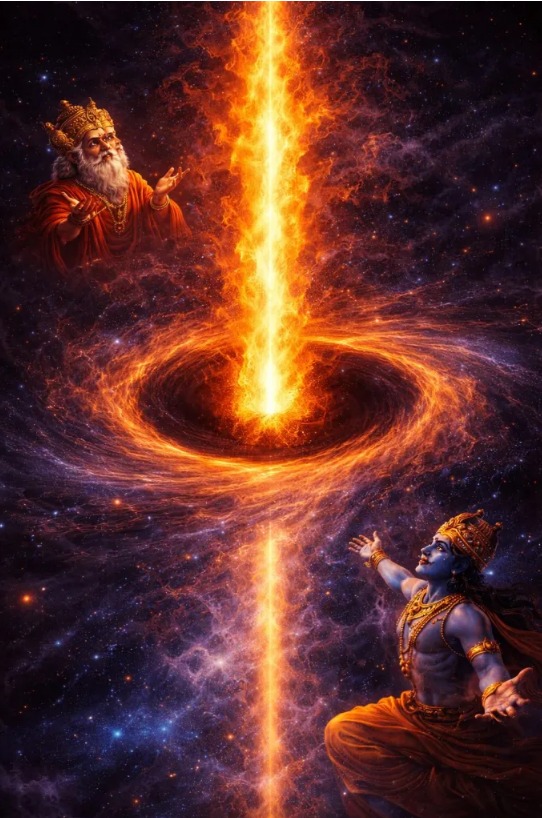
Vishnu acknowledges his failure. Brahma claims to have seen the crown [of the pillar of light]. In the narrative, this claim is deemed a falsehood, leading to the episode where Kalabhairava severs Brahma’s fifth head.
Subsequently, the story incorporates the account of Bhairava incurring the sin of *Brahma-hatya* (killing a Brahmin/Creator) and being compelled to carry the severed skull.
Now, the questions are straightforward:
1. If Brahma uttered the first falsehood, how did the title of ‘Creator’ become a guarantee of truth?
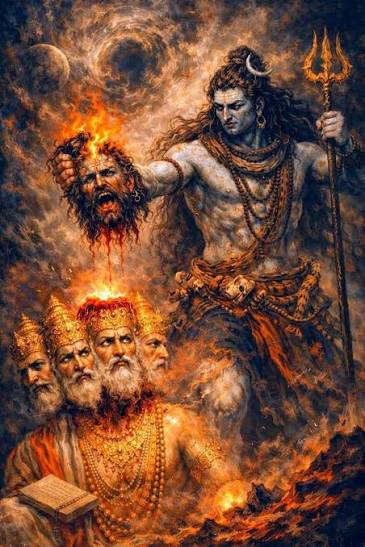
2. If Kalabhairava obeyed Shiva’s command, why was he characterized as a sinner who had to perform penance?
3. If Vishnu alone is the Supreme God, on what theological grounds can the conflict for supremacy between Brahma and Vishnu be explained?
These questions are not intended to frame the narrative as a historical event, but rather to examine the philosophical contradictions inherent within it.
3. When did the concept of *Avatarvada* (divine incarnation) emerge during the Vedic period?
A direct answer to this question:
The ancient hymns of the Rigveda are broadly estimated to date back approximately 3,500–3,200 years. The concept of systematic Puranic *avatarvada* (the doctrine of divine incarnations) and the popular *Dashavatara* (ten incarnations) evolved in later centuries.
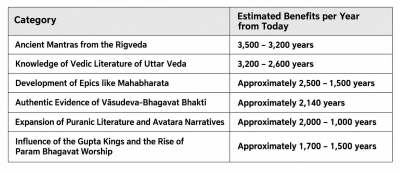
Rigveda 1.154 mentions Vishnu’s three strides. However, it is historically incorrect to claim that the contemporary, popular *Dashavatara* system represents the original doctrine of the Rigveda in that specific form.
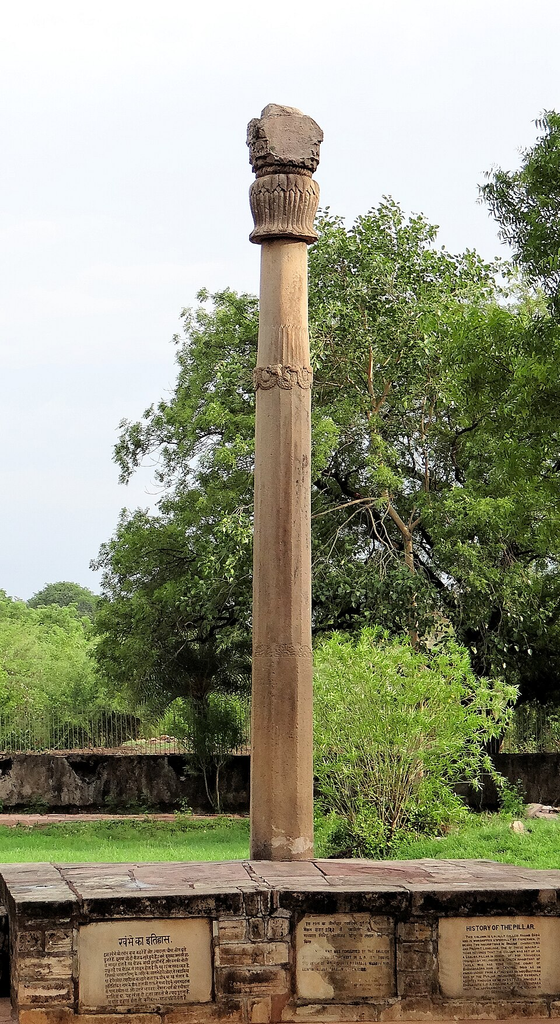
Evidence of devotion to Vasudeva-Bhagavat is found in the Heliodorus Pillar, dating back to the 2nd century BCE. During the Gupta period, the title *Paramabhagavata* appears in royal inscriptions.
The question is—
Was humanity, already in existence, taught to await an external avatar in its quest for nature, consciousness, and truth?
Was the purpose of religion to awaken the human being, or to make them dependent on the directives of a divine representative, a priest, or an authority?
This question should be addressed to all savior-centric religious systems, including the Vaishnava tradition.
4. When did the world’s major religions originate? A straightforward timeline
The years listed below are rough historical estimates relative to 2026, not the official founding dates of the religions.
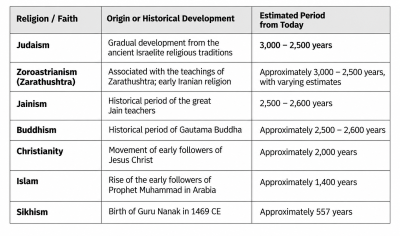
Is this a coincidence?
Is it merely a coincidence that, following the Vedic period, various *bhakti* (devotional) and *avatara*-centric traditions emerged within Indian religious frameworks—with kings extending patronage to certain sects—while, during this same broad historical era, traditions centered on scriptures, prophets, gurus, messiahs, and religious institutions were also developing in other parts of the world?
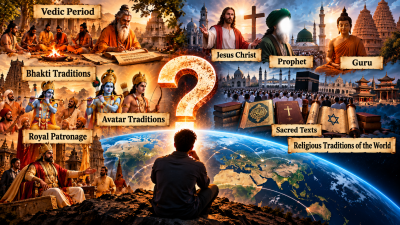
This is a serious comparative question.
5. Have there been no religion-based wars and violence over the past 1,500–2,000 years?
There have been. And the history of this transcends any religious self-complacency.
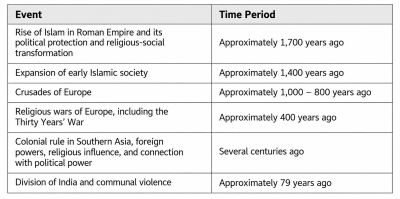
Religion, power, land, empire, economic interests, and political identity played varying roles in these events.
The Fundamental Question
If religion was meant to liberate humanity, why did human beings repeatedly turn against one another in the name of religious identity?
6. Were the rituals practiced today the true essence of *Sanatan*?
This is the most crucial question of the article.
In the various forms of religious life today, we see:
Rituals;
Acts of worship;
Dependence on priests;
Expectation of miracles;
Waiting for the arrival of an *Avatar* (incarnation);
Political competition over religious identity;
Literal interpretation of scriptures;
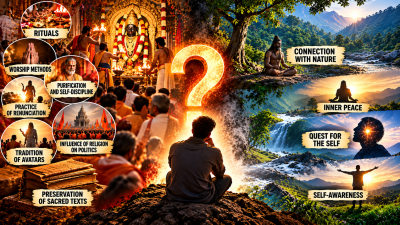
…are evident.
But is this the entirety of the Indian spiritual heritage?
Is there no place for a direct connection with nature, silence, self-discipline, meditation, non-violence, introspection, and independent consciousness?
It would also be incorrect to claim that human consciousness regarding nature began only after the advent of the Vedas.
Nature did not come into existence after the composition of any scripture. Nor did human curiosity begin with the proclamation of any *avatar* (incarnation).
7. Do the Vedas mention the *Varna* system and sacrifice?
Yes.
In the *Purusha Sukta* (10.90.12) of the Rigveda, the four *Varnas* are associated with the mouth, arms, thighs, and feet, respectively. This constitutes direct textual evidence of the *Varna* concept.
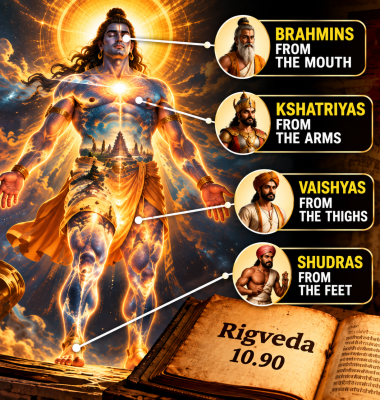
The Vedas also contain references to rituals involving animal sacrifice and animal offerings, including the *Ashvamedha*.
“Clear ritualistic references to animal sacrifices (*pashu-yajna*) are found in the Vedas and Vedic *Brahmana* literature. For instance, *Rigveda* 1.162 contains mantras related to the *yupa* (sacrificial post) used in the horse sacrifice, the cooking of the horse’s meat, and the dismemberment of the carcass and its parts; meanwhile, *Shukla Yajurveda* 24 contains *‘alabhate’* mantras that associate various animals and birds with specific deities. *Shatapatha Brahmana* 6.2.1 even provides a ritualistic account of the slaughter of animals. However, there are differences of opinion among modern Vedic commentators regarding the interpretation of these mantras; therefore, it is appropriate to present them as historical textual evidence rather than claiming that every sacrifice in the Vedic religion was based on animal slaughter.”
SOURCE:
*Rigveda* 1.162.3, 1.162.6, 1.162.9–12, 1.162.18–19 — References regarding the horse sacrifice and meat/dismemberment.
*Shukla Yajurveda* 24.1–40 — References linking various animals and birds to sacrifices or deities.
*Shatapatha Brahmana* 6.2.1.5–6, 6.2.1.18 — Explicit ritualistic details of animal slaughter.
This raises the following questions:
Is birth-based social stratification compatible with spiritual equality?
Is it not a moral contradiction to sacrifice an animal after deeming it sacred?
Does the historical presence of a ritual make it mandatory even today?
Can a reference from an ancient text serve as the ultimate yardstick for modern morality?
Shying away from these questions does not serve the cause of history.
8. Why are we still unable to decipher the script of pre-Vedic human civilization?

The signs of the Harappan script have not yet been conclusively deciphered. This is a fact.
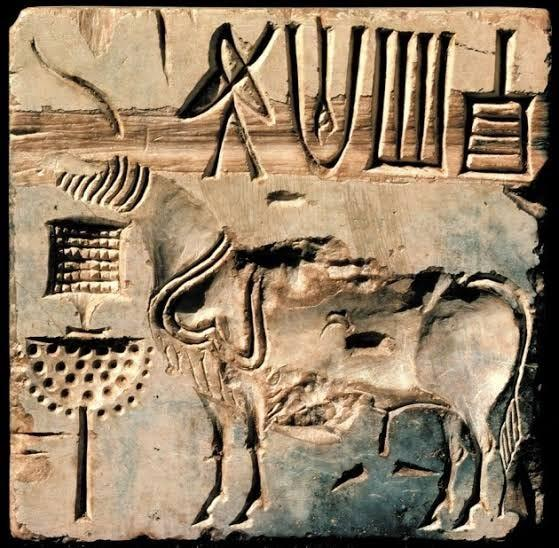
But one question is extremely important:
If we are confronted with an ancient civilization whose language and ideas we do not fully understand, do we have the right to impose our own religious narratives upon it?
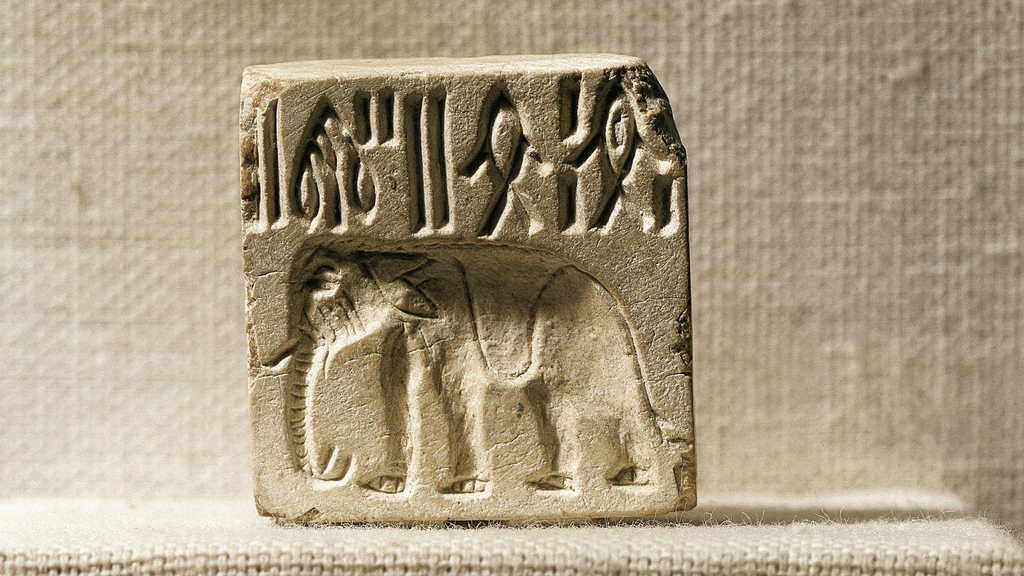
We must acknowledge that a vast portion of human history remains unknown. However, we cannot claim that this history does not exist or that it does not hold within itself profound secrets of the human past. Therefore, the message contained in these scripts must be conveyed to the world.
9. Was human consciousness conditioned to be dependent?
This is where the philosophical conclusion of the article emerges.
When human beings are repeatedly told that:
Truth resides solely in a specific scripture;
Liberation is attainable only through a particular path;
An external savior will arrive in times of crisis;
Performing the right rituals will bring about miracles;
The government will set everything right;
Technology will solve every problem;
…then individuals may become accustomed to surrendering their own judgment and sense of responsibility to external forces.
This is not merely a religious issue; political hero-worship and technological dependency can produce the same effect
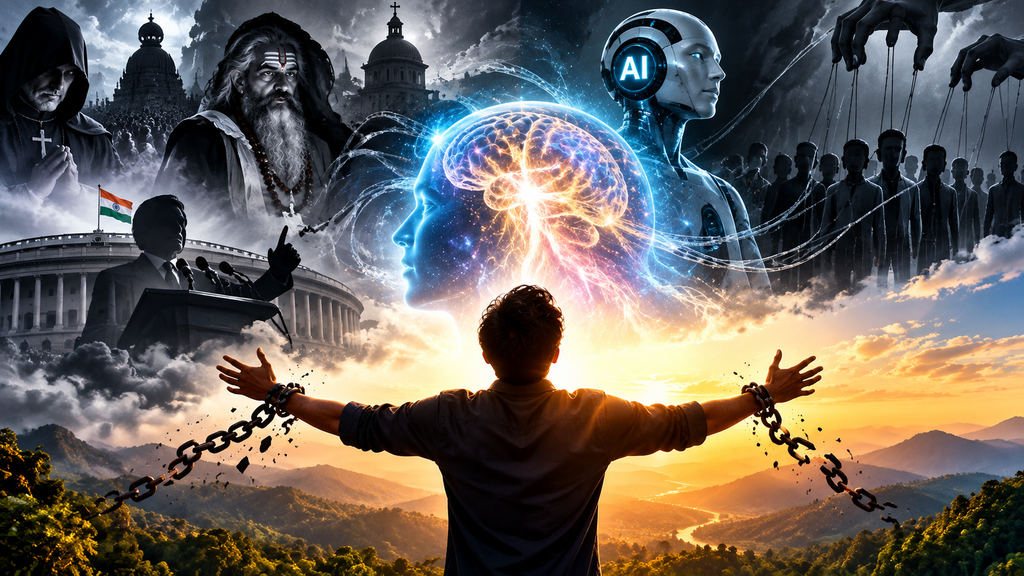
Human consciousness must be free—it is not the property of any religious institution, government, guru, messiah, or AI.
10. The final trap? Alien invasion, Project Blue Beam, and One World Religion.


Now, let us turn to the apprehension that Satya Darshan wishes to raise.
Could there be an attempt in the future to bring the world under a centralized political-social order in the name of a global crisis, the threat of an alien invasion, technological fears, or an artificial religious miracle?

This is a hypothetical risk worth considering.
Yet, the question must be asked:
If, one day, extraordinary powers are demanded from citizens in the name of a global crisis—such as the threat of an alien invasion—will they ask questions? Will humans, having grown accustomed to relying on ‘avatars’ and the government, summon the courage to exercise self-determination and question whether what is visible is the truth, or if there is an underlying agenda?
If there is a proposal to make AI the ultimate decision-maker, will there be human oversight?

If an institution were to declare that everyone must obey a single command to save humanity, would independent judgment survive?
If a miraculous event were claimed to have occurred, would it undergo independent scientific scrutiny?
In essence, abandoning reason in times of fear would be the greatest risk of all.
12. Now, the final question: Is the problem divine or man-made?
Human history has been marked by issues such as war, power struggles, caste discrimination, religious fanaticism, environmental destruction, the misuse of technology, and political deceit.
Behind many of these problems lie human decisions, institutional systems, greed, fear, the control of resources, and social structures.
Why, then, do we wait for an avatar, a messiah, a government, or AI to solve every problem?
If humans cause pollution, they must also protect nature.
If humans spread misinformation, they must also develop the capacity for verification.
If humans allow power to become unchecked, they must also establish systems of accountability.
If humans surrender their consciousness to others, they must also reawaken it themselves.
A Vision of Truth: The Final Proclamation
Humans existed before the Vedas. Nature existed before the Vedas. Human society existed before the Vedas. And human curiosity did not wait for the arrival of an avatar.
The story of Brahma’s creation may be a matter of faith, but it is not the scientific history of human civilization.
The doctrine of Vishnu’s incarnations may constitute religious philosophy, but it is not a proven scientific formula for resolving every human problem.
The legend of Kalabhairav may be a matter of faith, yet the ethical questions arising from it cannot be suppressed: why did the sin of *Brahma-hatya* (killing a Brahmin) befall one who obeyed Shiva’s command, while the one who spoke a falsehood was glorified through the very narrative that branded Kalabhairav guilty of that heinous act?
And is the Rudra described in the later-composed Vedas the very same deity—representing Nature and the infinite silence of Shiva—who was worshipped by the advanced human civilization that existed prior to the Vedas? Or was Shiva transformed into Rudra—knowingly or unknowingly—through the medium of the Vedas? Are the tales in the Puranas authentic, or merely a means to legitimize monarchy?
A Message for the New Generation
Face any crisis that confronts you head-on. Scrutinize what you are told: who conveyed it and why? What was their underlying intent? If any research, science, or so-called knowledge fails to align with your own experiences—or if it hinders you from taking action and compels you merely to believe—then pause and reflect. Ask yourself: why is this so? Raise questions; you have every right to know the truth.
Raising questions is not an act of disobedience or a sin; rather, it is a sign of awakened consciousness.
Do not wait for an external savior, avatar, or messiah during a crisis. Do not mistake AI for an avatar or messiah—or turn it into your God—simply because of narratives predicting a future alien invasion. Do not surrender the sovereignty of your consciousness to the government.
Protect nature. Understand science. Study history. Examine narratives through the lens of inquiry. Awaken your own discernment.
Note: The purpose of this article is not to offend any religion, caste, sect, or faith, but to inspire human society to move beyond internal conflict, awaken its innate consciousness, and ask questions grounded in reason and discernment.

INDIAFIRST.ONLINE