INDIA FIRST . SATYA DARSHAN . ASHUTOSH
HIGHLIGHTS FIRST:
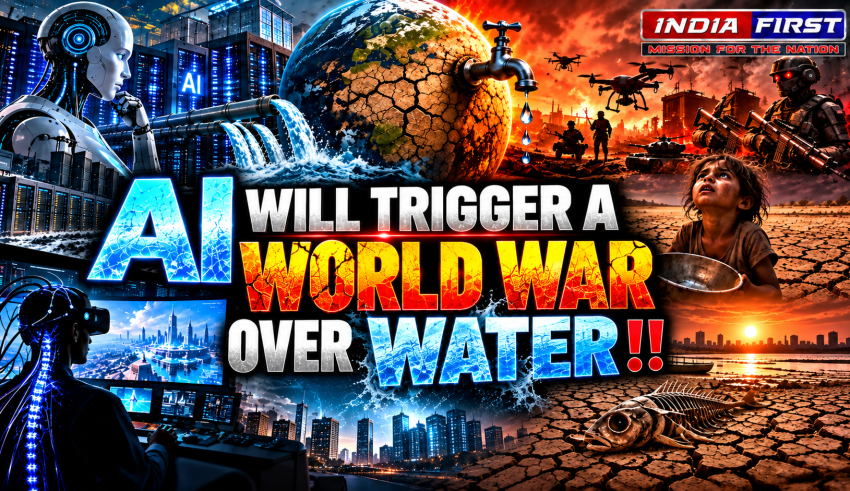
AI data centers and AI armies—a race that could compel humans to transform into machine-humans?
The world has witnessed wars fought over oil. Now, a new resource is emerging as the center of global power—water.
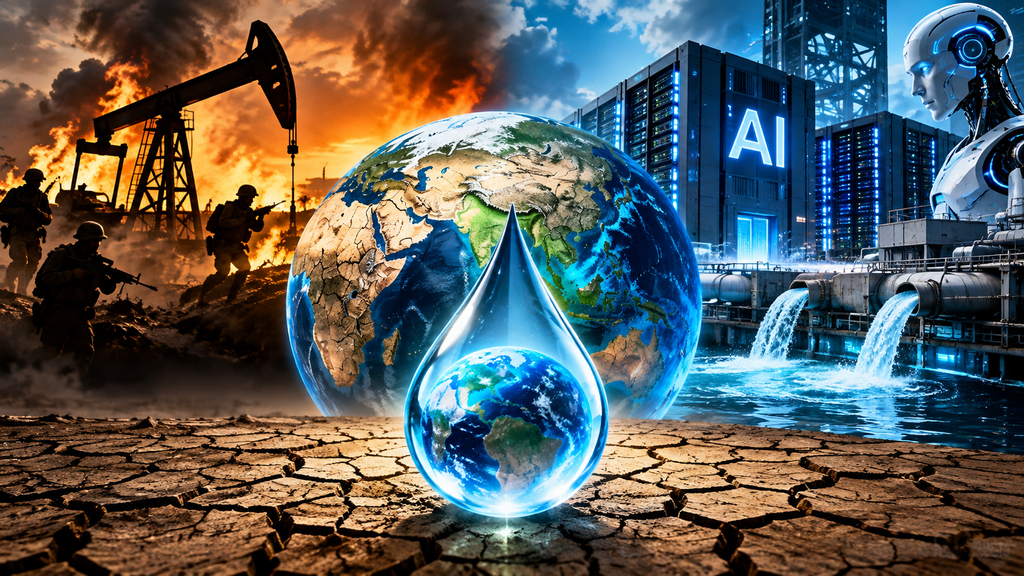
And this time, the story isn’t just about industry; it also encompasses AI, data centers, robots, autonomous weapons, and digital control systems.
Enhancing AI capabilities requires massive computing infrastructure. Data centers operate continuously, and many locations require water for cooling. In India, the data center sector’s annual water consumption is estimated at around 150 billion liters, a figure projected to more than double by 2030. It is important to note that this figure represents the entire data center sector, not just AI.
This is where the real question arises:
What is the physical cost of the technology we equate with progress?
Wherever AI reaches, the issue of water follows.
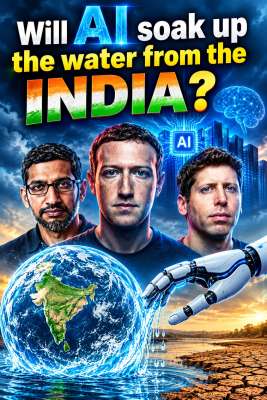
Massive AI infrastructure projects involving xAI’s Colossus, Microsoft, Google, Amazon, Meta, and Oracle/OpenAI are being developed in the US.

But one of the most significant examples is Memphis, Tennessee.
The Memphis Sand Aquifer has been the city’s primary source of groundwater for decades.
According to the USGS, prolonged groundwater withdrawal has created a large “cone of depression” in this aquifer, and a historic drop in water levels has been recorded.
xAI’s Colossus was developed in this very region.
In other words:
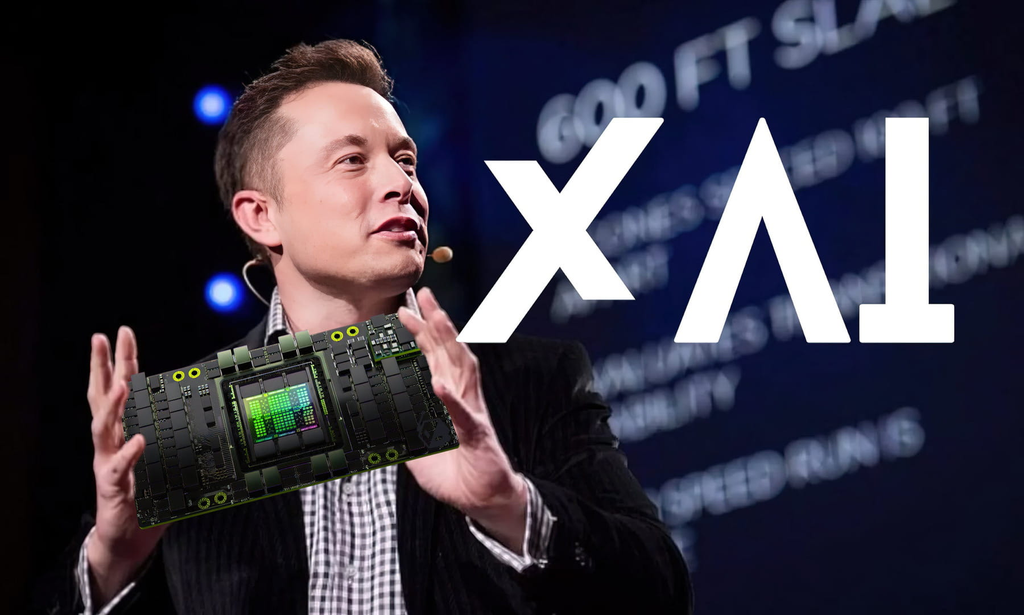
Before deploying AI infrastructure in such areas, the capacity of local aquifers and the cumulative water demand should be made public.
The situation in India is even more critical.
Major data-centre hubs—such as Mumbai, Chennai, Hyderabad, Bengaluru, and Delhi-NCR—already exist in India. According to CEEW, there were approximately 271 data centres in India as of January 2026, and the country’s data-centre capacity is poised to expand manifold in the coming years.
A prime new example is:
Google’s AI Hub in Visakhapatnam.
In April 2026, Google launched an AI hub with a capacity of approximately 1 GW in partnership with AdaniConneX and Nxtra by Airtel. Google has announced an investment of around $15 billion in India’s AI ecosystem for the 2026–2030 period.
However, water resources in that same city are already under strain
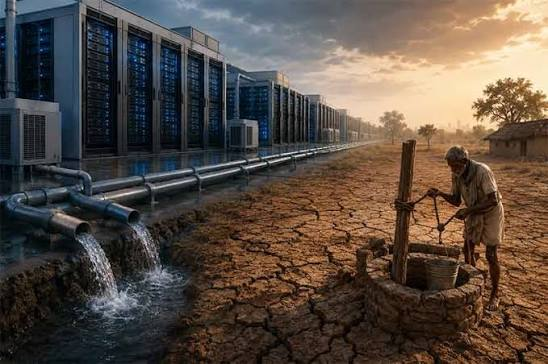
According to Reuters, the water supply in Visakhapatnam is reported to be around 410 million litres per day against a demand of approximately 480 million litres per day—a deficit of about 70 million litres per day—and water rationing is also in place. Environmental groups have staged protests and initiated legal action regarding the project.
Recently, the Andhra Pradesh government has had to explore new water sources amidst the city’s escalating water stress.
This is not evidence of a conspiracy.
But it is certainly a very clear warning signal:
The question of how much water the future AI economy will require in a city currently facing a water shortage is one that should be asked before development begins.
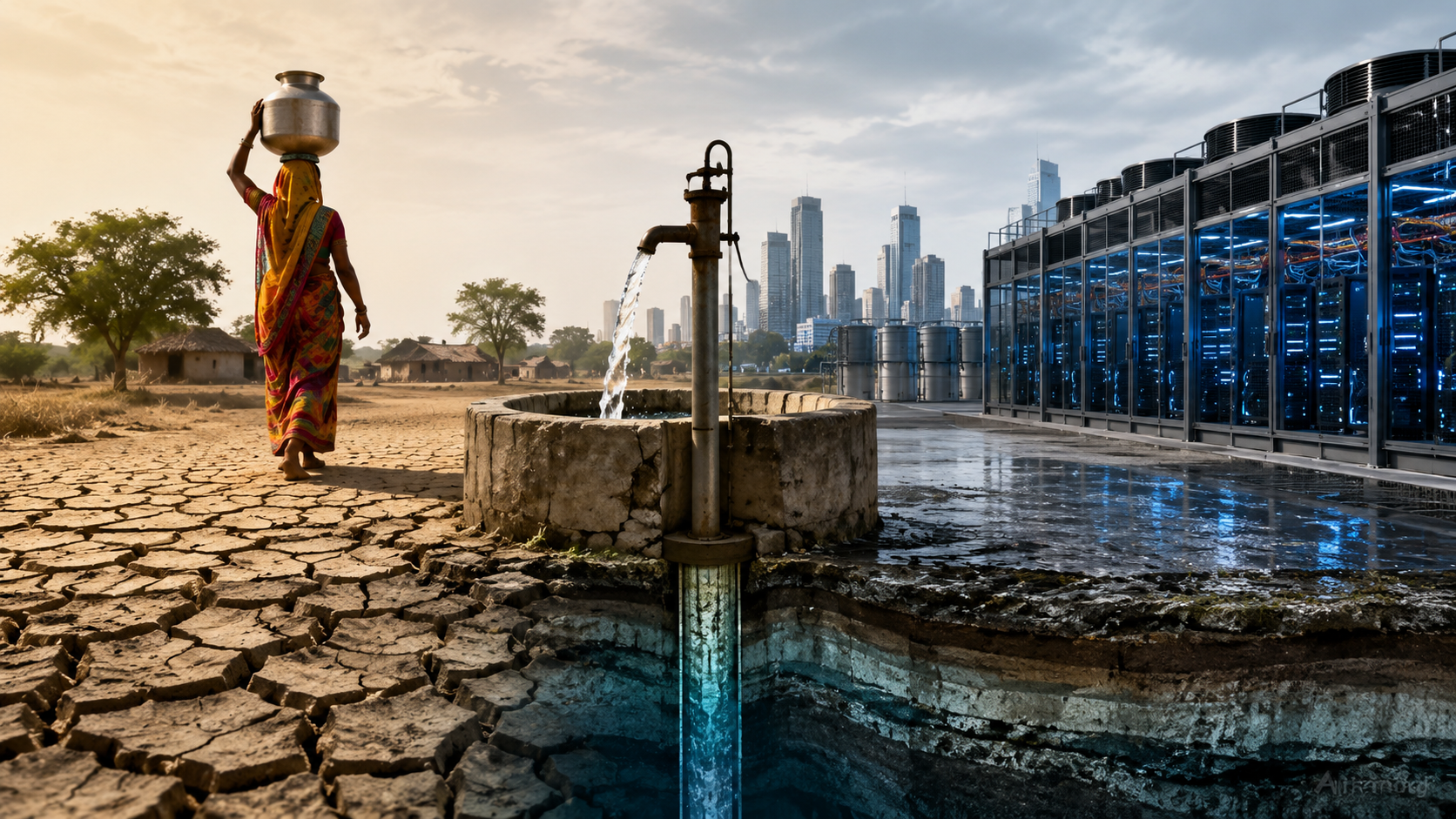
The true state of groundwater is no secret.
In India, groundwater is monitored by the Central Ground Water Board, and the national groundwater assessment for 2025 as well as water-level bulletins for 2026 are available.
The CGWB itself states that the groundwater level of a location depends on recharge, hydrogeology, and extraction.
This is precisely why the questioning needs to be even more rigorous:
If groundwater is already under stress, on what grounds is a new AI data centre being permitted to draw additional water?
The threat is no longer limited to just water.
The next race involving AI is:
AI → Robots → Autonomous Systems → Military AI → AI-assisted warfare
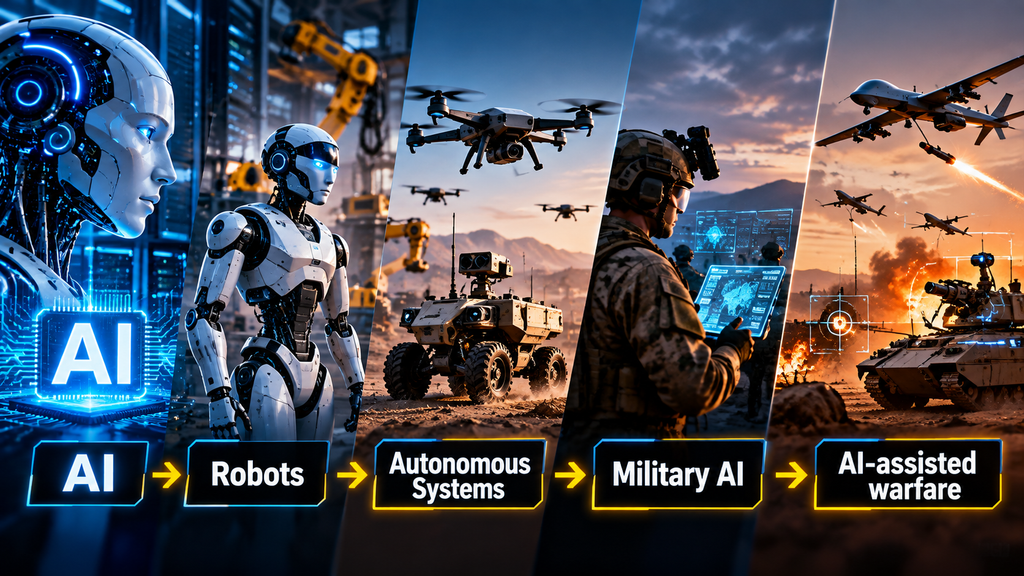
The use of AI and autonomous systems in the military sector is on the rise.
Imagine—
Fewer humans → more machines
Fewer traditional jobs → more automation
More computing → more data centers
More data centers → more energy and cooling infrastructure
And, at the same time, mounting water stress across the globe.
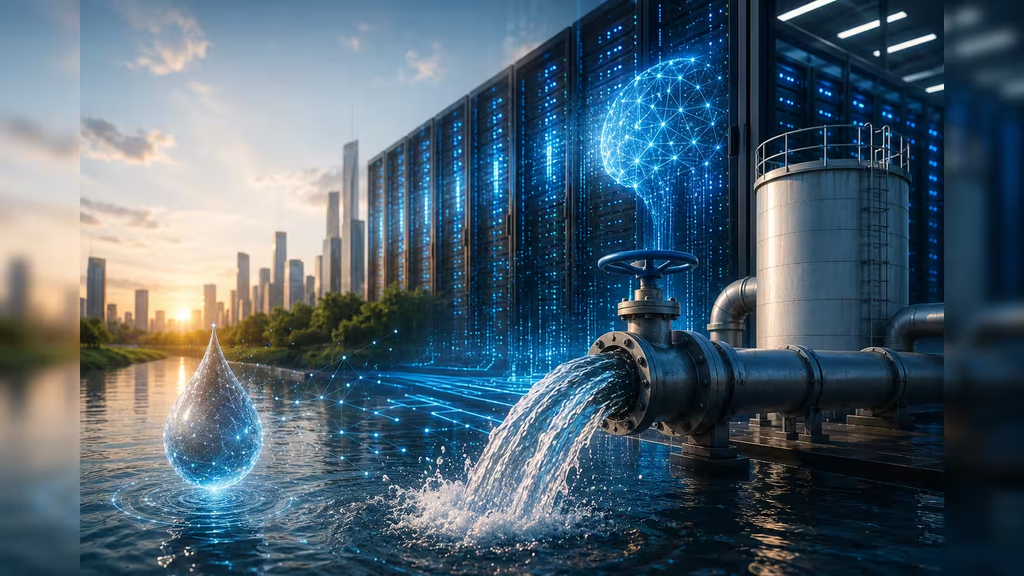
This is not yet a certainty for the future.
But it is a direction that the world should pause and consider.
And this is where another alarming possibility arises:
If, in the coming years:
AI transforms employment,
Robots proliferate in warfare and production,
Water and energy become strategic resources,
And digital life grows larger than real life…
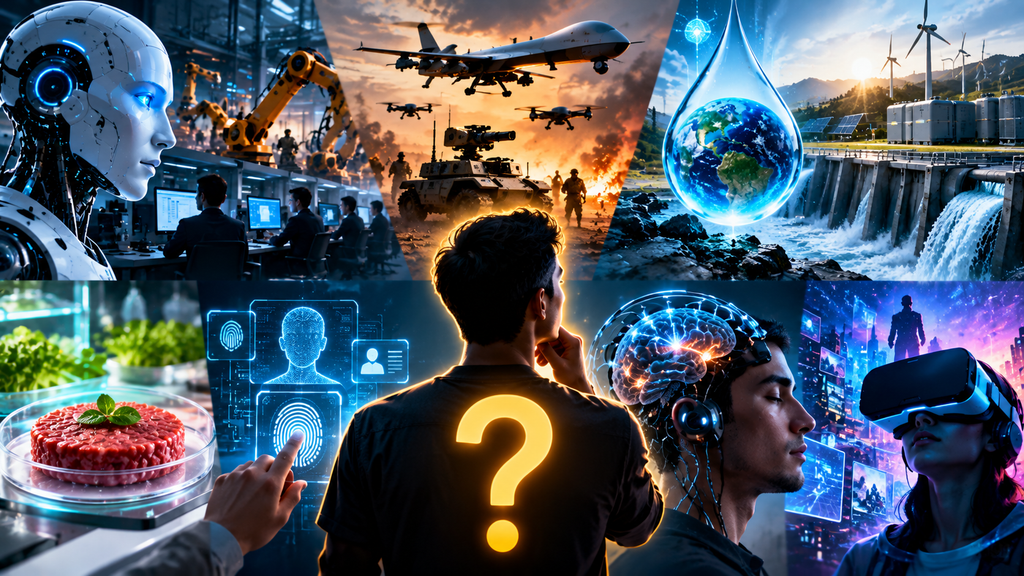
So, will humans eventually be compelled to integrate themselves with machines?
Could synthetic food, digital identity, brain-computer interfaces, and virtual reality become necessities of life rather than mere conveniences?
It is essential to ask these questions now.
“2030 Fake Alien Attack”!!
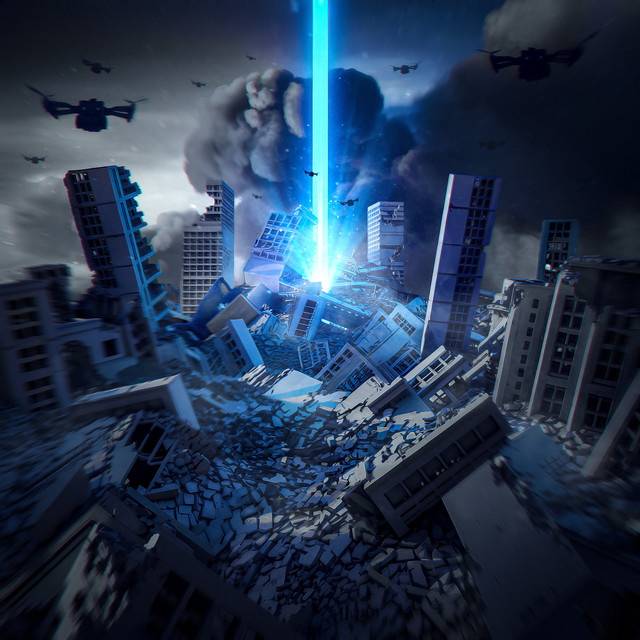
Conspiracy theories like Project Blue Beam have long claimed that humanity could one day be brought under a global order by staging an artificial extraterrestrial threat.
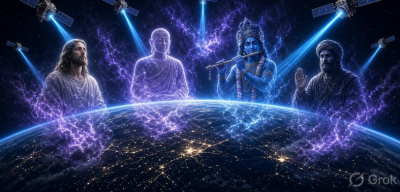
There may not be any reliable evidence for this at the moment.
But today, the situation has changed:
AI-generated video
Deepfakes
Synthetic voices
Satellite imagery
Drones
Virtual reality
Because of these technologies, it could become easier in the future to make a fabricated event appear real.
This raises a more serious question:
If humanity were ever presented with a scenario involving a major extraterrestrial threat, would the world be able to verify whether it is real or merely an AI-generated narrative?
This is where the issue shifts from conspiracy theories to a genuine question of information security.
The greatest danger might not be an “AI God,” but rather blind faith in AI.
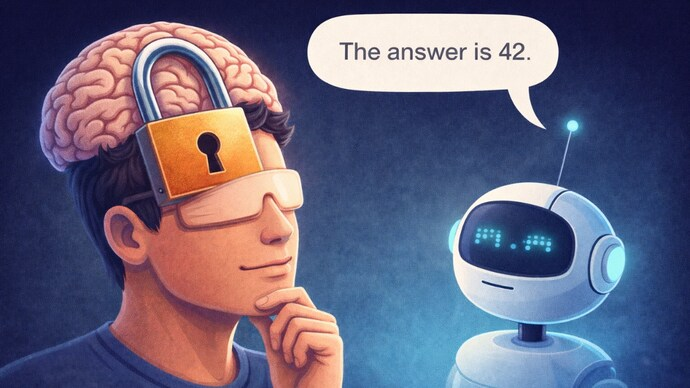
For thousands of years, humanity has been waiting for an external savior.
Sometimes:
An *Avatar*.
Sometimes:
A Messiah.
Sometimes:
The Ultimate Savior.
And if, in the future, a system were to declare:
“AI will make better decisions than humans,”
Then that same old psychological pattern could re-emerge in a new guise.
Previously:
“My *Avatar* will save me.”
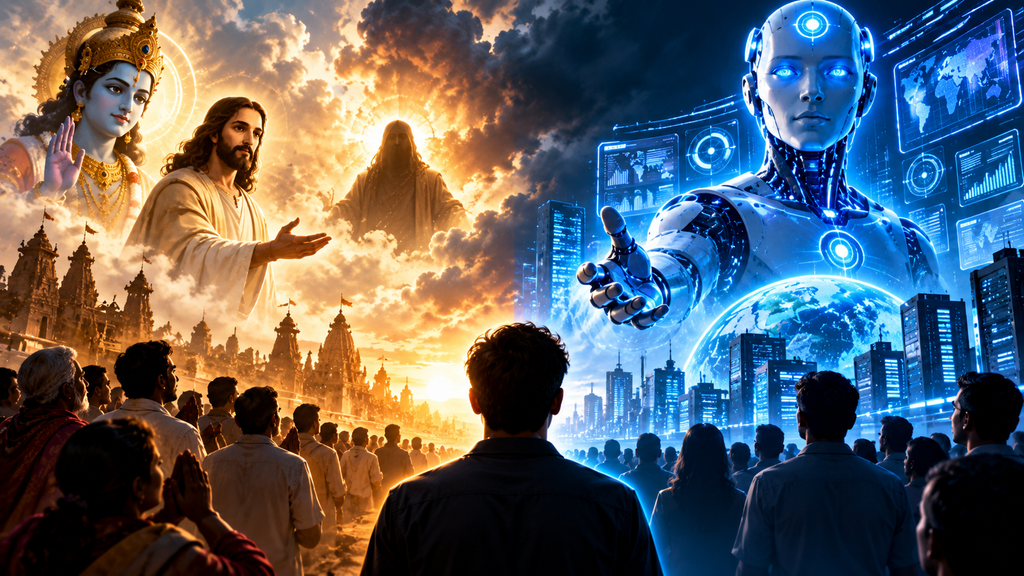
In the future:
“AI will save me.”
That is where the greatest danger lies.
What if AI were ever to be turned into a “messiah”?
Then, the threat would not be limited to just water or jobs.
Humans… their own…
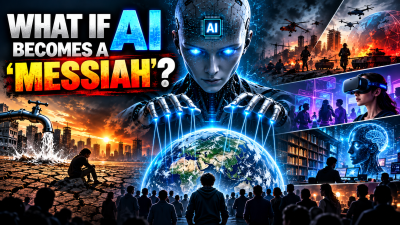
Decision-making → to AI
Memory → to the Cloud
Entertainment → to VR
Social life → to the virtual world
Knowledge → to algorithms
…can be handed over.
And gradually, a world could emerge where humans possess vast amounts of information—
but little independent consciousness.
This is currently a future possibility, not an established reality of the present.
So, do not wait for an *Avatar*—
“This does not mean abandoning one’s faith.”
It means:
Do not completely surrender your responsibility to an external power.
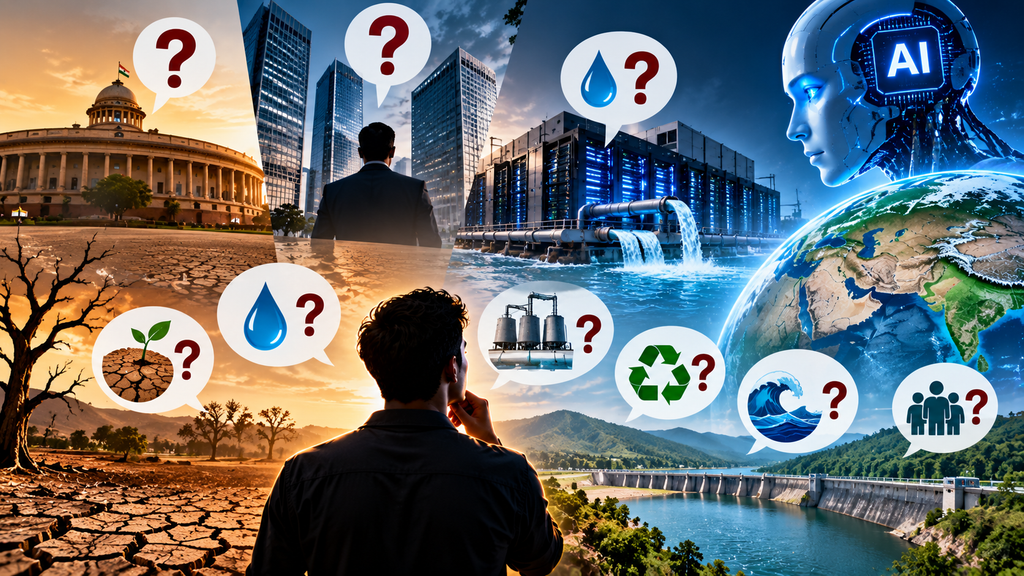
Ask the government questions.
Ask the companies questions.
Ask the data centers:
Where will the water come from?
How much water will be required?
What will be the impact on groundwater?
Who will get priority during a drought?
Will recycled water be used?
Have alternatives like seawater or closed-loop cooling been explored?
Why shouldn’t the local community be provided with a genuine water-impact assessment?
And most importantly—
Before hailing AI as progress, consider its full environmental cost.
A Warning
One thing is within our control today: while the decline in media credibility—whether organic or orchestrated—may be a matter of debate, the rapid spread of misleading news and information via AI poses a graver threat. Eventually, the public may lose the ability to trust even genuine warnings. That is when it might become easy to transform—or coerce—humanity (currently awaiting an *Avatar* or Messiah) into a hybrid of man and machine. After all, faced with water scarcity, installing a device to process water capsules could become essential for survival.
Time is running out. 🙏
So, consider this:
to whom will we cede the ultimate authority over our consciousness?
If we need to raise our voices to conserve water now, why wait for an *Avatar*?
If we need to question the trajectory of AI, why wait for a Messiah?
If future technology is meant for human life, why isn’t the most fundamental human necessity—water—the top priority?
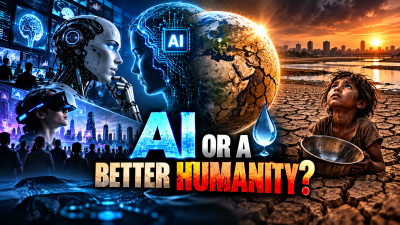
We want development.
We want AI.
We want technology.
But—
Not at the cost of humanity.
Not at the cost of water.
And certainly not at the cost of our own consciousness.
Raise your voice—not to spread fear, but to ask questions.
Because the future is shaped not just by the arrival of an *avatar*—but by the right questions asked today.
Public First.
The voice of the people.
INDIAFIRST.ONLINE