INDIA FIRST . SATYA DARSHAN . ASHUTOSH
Dashamahavidya vs Dashavatara
The Evolution of Human Consciousness, External Messianism, and the Historical Journey of Religion
HIGHLIGHTS FIRST:
What is the history of the *Dashavatara* (the ten incarnations)?
Who determined the number ‘ten’ (10), and when?
…And did humanity keep forgetting its own consciousness and responsibility while waiting for an *Avatar*?
Brief Legal and Editorial Disclaimer
This article analyzes the evolution of religious ideas based on available archaeological, historical, linguistic, and textual evidence. The philosophical conclusions presented herein are the author’s interpretations, not universally accepted historical facts. There is no intent to insult any religion, deity, community, or believer. Historical claims should be understood as substantiated facts, while religious tenets should be viewed as matters of faith.
Introduction: Did Human Consciousness Precede the Concept of a Savior?
The Hindu religious landscape we see today comprises a coexistence of Vedas, Puranas, *Avatars* (incarnations), temples, pilgrimage sites, *Gurus*, *Mathas* (monasteries), *Mantras*, *Tantras*, *Yajnas* (sacrificial rituals), and numerous sects.
But did all these concepts emerge simultaneously?
Was human society merely in a primitive state prior to the Vedic literature?
Was the number of Vishnu’s incarnations always ten?
Did the tradition of the *Dasha-Mahavidya* (Ten Great Wisdom Goddesses) exist prior to Vedic sacrificial rituals?
Did state power in history expand certain religious traditions by extending patronage to them?
And the biggest question:
If human liberation hinges on a future incarnation or messiah, who will confront the crises of the present?
To answer these questions, one must look beyond faith and examine archaeology, texts, inscriptions, and religious history.
1. An advanced human society existed even before the Vedas — this is a fact.
First of all, it is necessary to dispel a historical misconception.
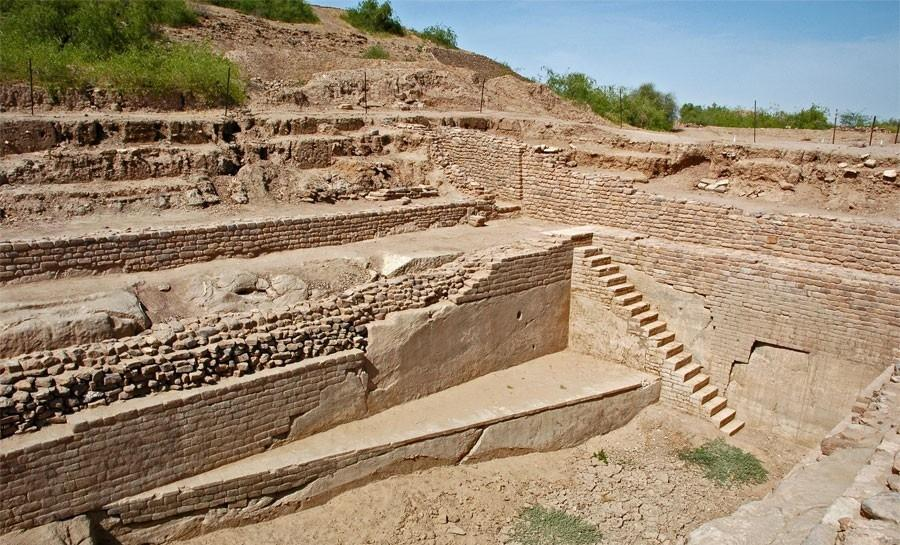
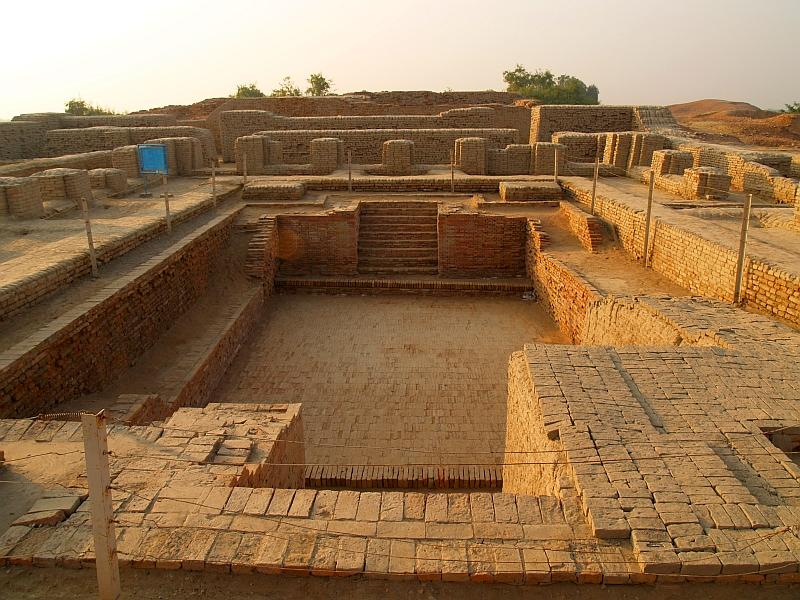
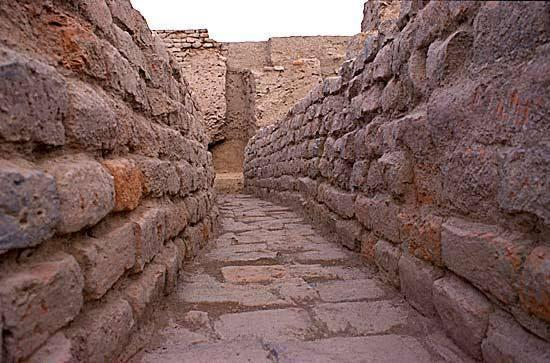
Archaeological evidence confirms the existence not only of human society but also of developed urban civilizations prior to the Vedas.
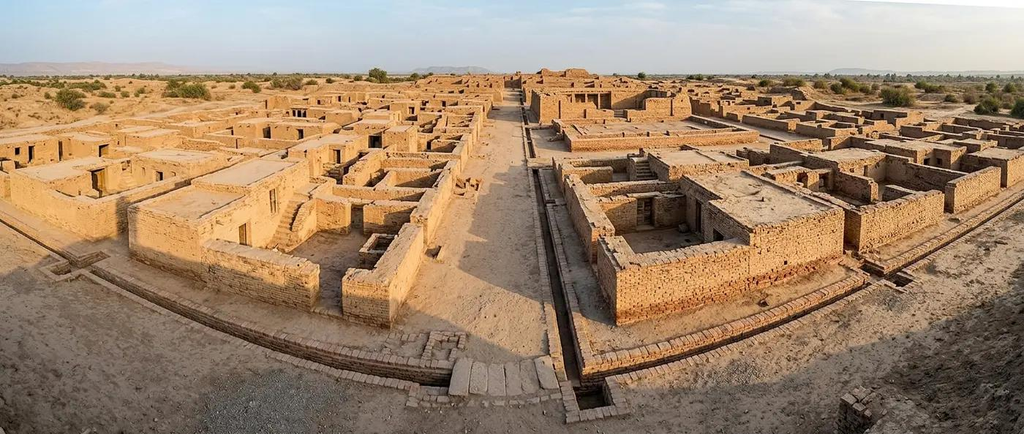
The mature urban phase of the Indus-Harappan civilization is dated to approximately 2600–1900 BCE. Its cities feature:
Planned roads and residential structures
Drainage and sanitation systems
Massive water-storage structures
Standardized weights and measures
Specialized crafts such as metalworking and bead-making
Long-distance trade
Seals bearing writing symbols
This is not an imaginary civilization; it is an archaeological fact.
Has their script not been deciphered, or is there a lack of desire to decipher it?
The evidence-based answer is: The Indus script has not yet been deciphered to universal acceptance.
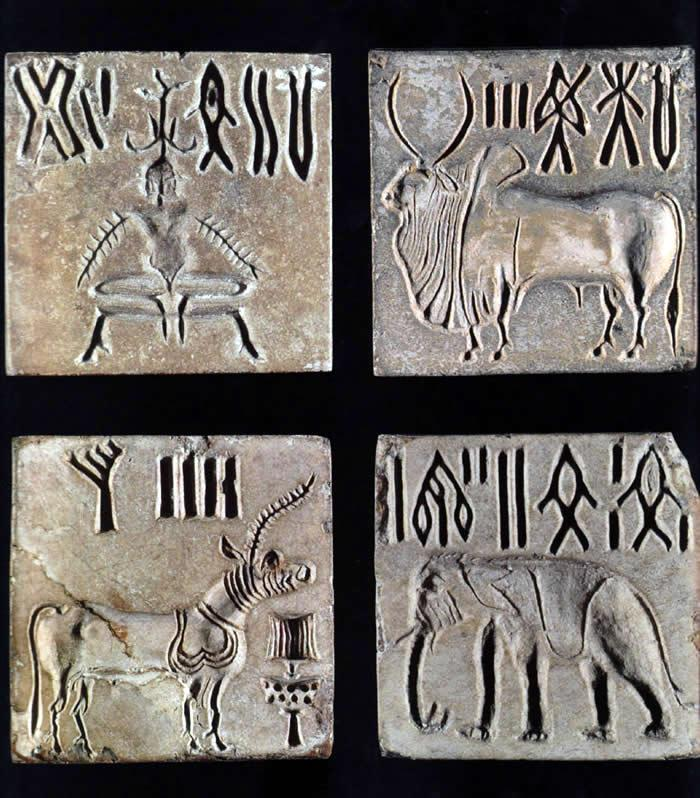
The primary reasons for this are:
1. Most of the inscriptions are very short.
2. There is no definitive bilingual inscription available that would allow the unknown script to be linked to a known language.
3. Scholars differ in their opinions regarding the sequence of the symbols and the nature of the language.
4. It is also uncertain which language family the script represents.
There is no evidence to suggest that archaeologists or linguists are deliberately concealing its meaning. Being unable to decipher a civilization’s script and intentionally hiding knowledge about it are two distinct claims.
However, the inability to decipher the script does not justify labeling that society as primitive.
We are familiar with its cities, technology, trade, and social organization, even if we have not yet understood its religious language.
This is the honest conclusion drawn from history.
2. How did the Vedas come into existence? Were the Vedas spoken first or written down?
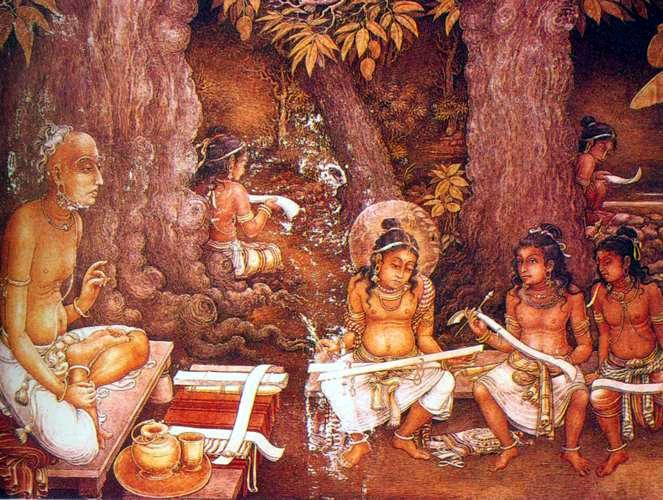
To understand the Vedas, one must grasp three distinct aspects:
Their composition
Their oral preservation
Their written form
Composition of the Rigveda
Many modern scholars place the primary compilation and period of composition of the Rigveda in the latter half of the second millennium BCE. Scholars differ on the precise date.

Oxford University Press scholars Stephanie Jamison and Joel Brereton explain that the Rigveda evolved within an oral poetic tradition and that its hymns were composed by poet-families over several generations.
In which language were the Vedas first written?
A historical correction is necessary in the question itself.
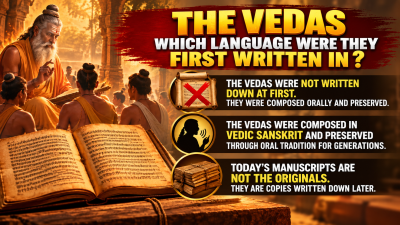
The Vedas were not originally written down. They were composed in Vedic Sanskrit and preserved orally across generations.
The ancient Vedic manuscripts available today do not date back to the time of their original composition. The oral recitation of the Vedas was safeguarded through specific systems of intonation, pronunciation, sequencing, and recitation techniques.
Therefore, it would be incorrect to claim that the first written copy of the Vedas was produced in a specific year and that it constitutes the original version.
The process of committing the Vedas to writing spanned a long period. The available manuscripts vary in their dates and textual traditions.
In light of this, how can human society prior to the Vedas be labeled as “primitive”?
It cannot be.
Before the Rigveda, there existed the cities of the Indus Civilization, and even earlier, there were various traditions of agriculture, village life, and craftsmanship.
Therefore:
The Vedas are among the oldest available literary sources of the Indian subcontinent; they do not mark the beginning of human society.
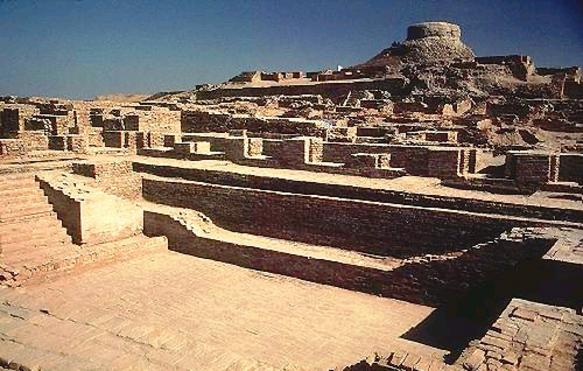
It should also be clearly understood that there is no proven basis for directly identifying the Indus Civilization with the Vedic, Shaiva, Shakta, or any modern religion.
3. Yajna, sacrifice, and rituals in the Vedas — are these later developments?
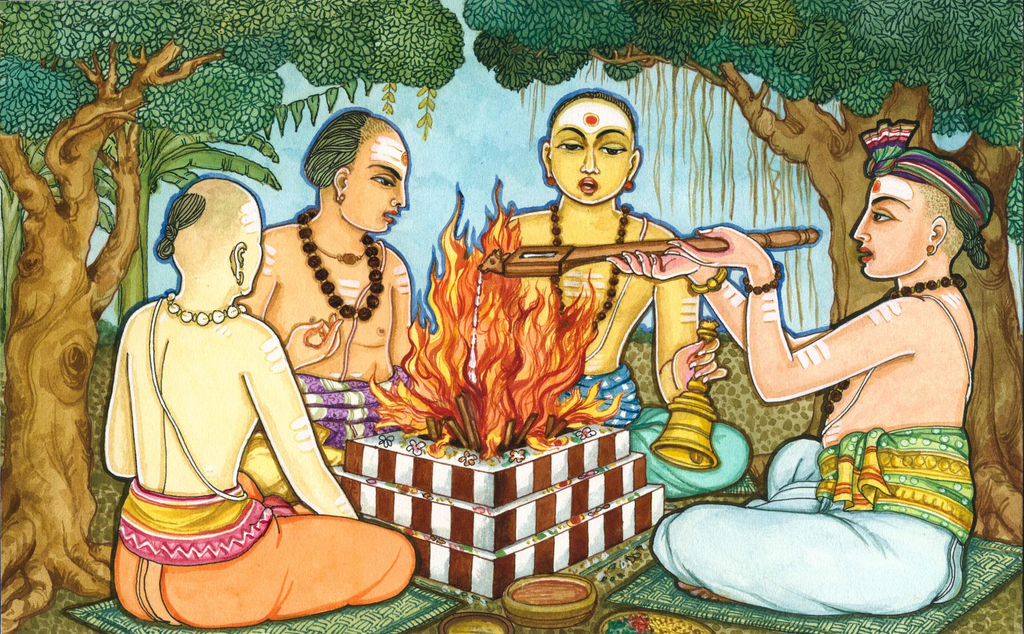
No. References to *Yajna* and animal sacrifice are found in Vedic literature.
The Purusha Sukta (10.90) of the Rigveda describes the sacrifice of the Cosmic Being (Virat Purusha) and the emergence of the cosmic order from it.
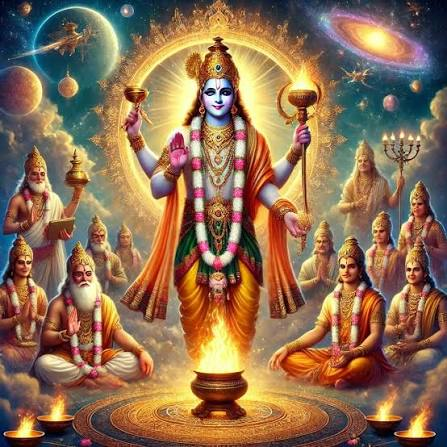
Descriptions of the Ashvamedha, Pashuyaga, and various sacrificial rituals are found in other Vedic literature.
Two facts become clear from this:
Sacrificial rituals played a significant role in Vedic religious life.
The development of ritual practices did not begin solely during the Puranic period.
However, it would be incorrect to characterize all Vedic sacrifices as being based on animal slaughter. Vedic rituals encompassed Agni (fire), Soma, *havis* (sacrificial offerings), mantras, hymns of praise, and various types of oblations.
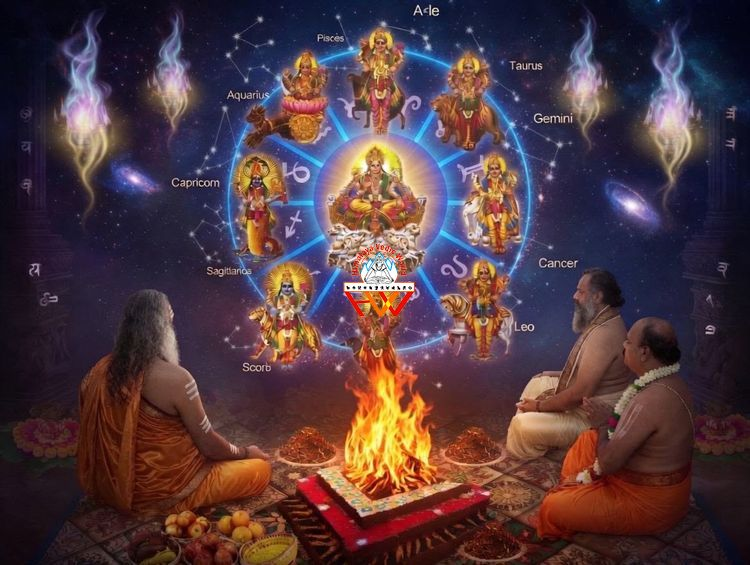
A Point to Consider
If a religious system is presented today solely as a path of meditation, silence, and self-realization, one must also consider the sacrificial and ritualistic aspects found in its ancient texts.
History cannot be altered to suit a single modern religious interpretation.
4. Purusha Sukta and the Varna System: The Scriptural Basis for Social Division
In the Purusha Sukta of the Rigveda (10.90), the origin of the four *varnas* is described as stemming from various parts of the body of the *Virat Purusha* (the Cosmic Being):
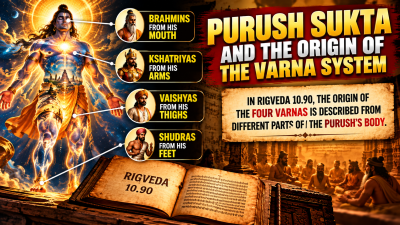
Brahmin — Mouth
Rajanya/Kshatriya — Arms
Vaishya — Thighs
Shudra — Feet
This serves as significant textual evidence from the Vedas for the concept of a four-fold social order (*varna* system).
According to Oxford studies on the Rigveda, the structure of social stratification and the four-fold *varna* system becomes evident during the later Rigvedic period.
From *Varna* to the Birth-based Caste System
Complex caste systems linked to birth, occupation, marriage, and social rights evolved in later *Dharmasutras*, *Dharmashastras*, social practices, and socio-political structures.
Therefore, two things must be distinguished:
1. The *Purusha Sukta* presents a religious interpretation of the four *varnas*.
2. The elaborate caste system of today did not originate from a single *sukta* at a single point in time; it evolved through a long historical process.
Nevertheless, it is a valid question: what is the social impact when a social division is given a cosmic or religious basis?
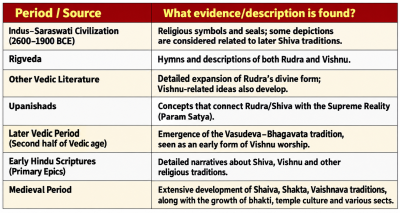
5. Are the Shaiva and Shakta traditions older than the Vaishnava tradition?
This is a crucial question, but it cannot be answered simply by stating that “Shaivism is the oldest” or “Vaishnavism is the oldest.”
What does the available evidence indicate?
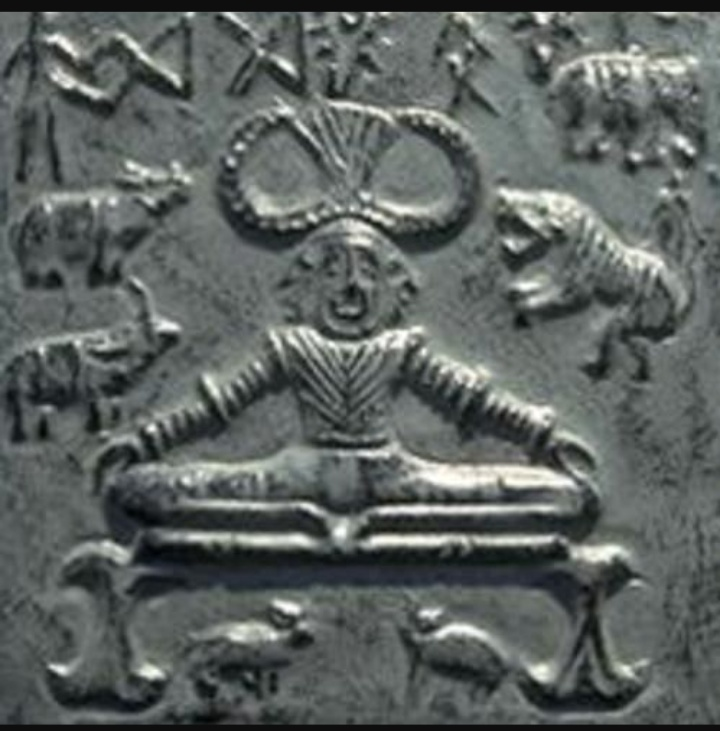
Is the Pashupati symbol of the Indus Civilization evidence of Shiva?
John Marshall associated a famous seal with Proto-Shiva or Pashupati. This interpretation has been influential, but it does not command a consensus among scholars.
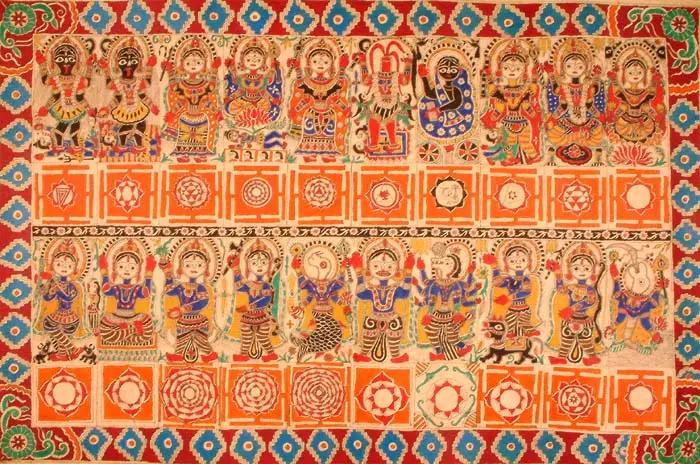
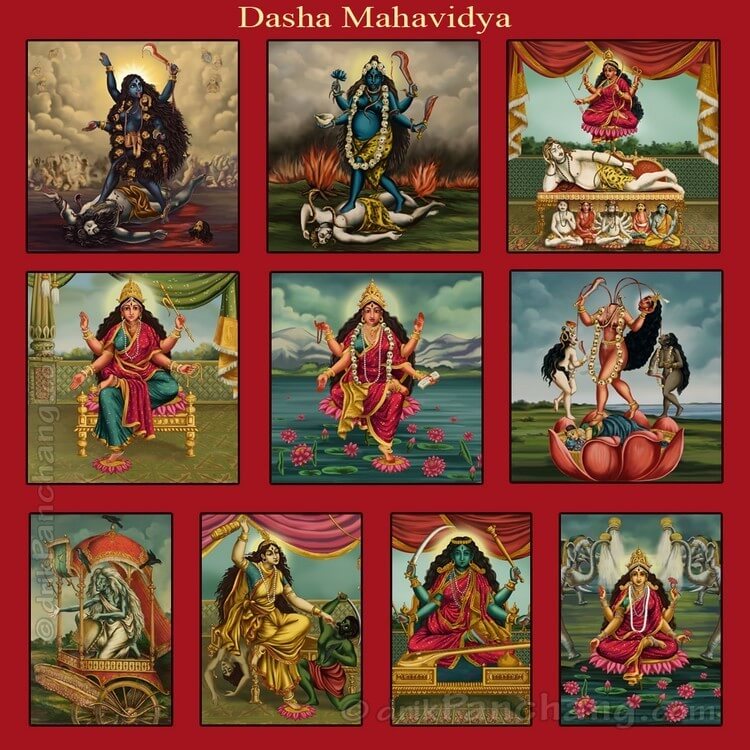
6. Dashamahavidya: Were these ten powers of consciousness that existed prior to the Vedic era?
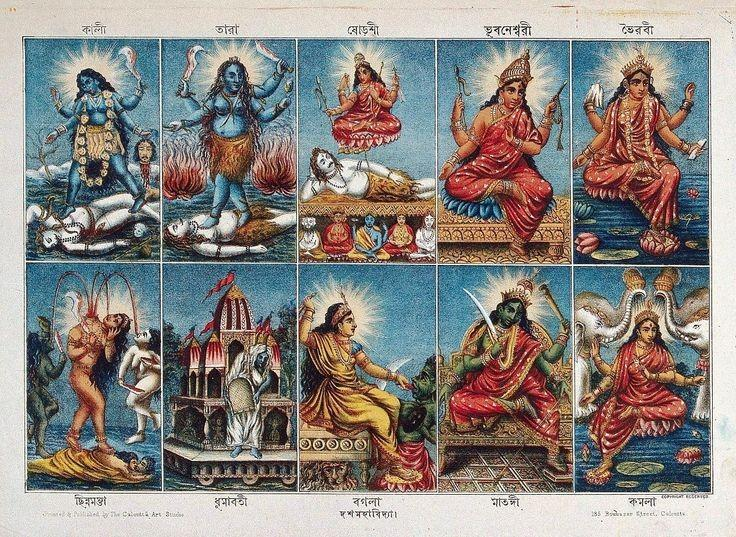
The current grouping of the ten Mahavidyas evolved within the Shakta Tantric tradition. Available historical studies confirm the existence of this collective form at least as early as medieval India, particularly around the 10th century.
It would be factually incorrect to claim that the complete list of the ten Mahavidyas, as known today, existed in the Rigveda.
However, concepts related to the worship of the Goddess, feminine divine power, and nature are indeed present in Vedic literature. The histories of figures such as Lakshmi/Shri, Usha, Aditi, Vak, and Saraswati can be traced across various levels.
The Philosophical Text of the Ten Mahavidyas
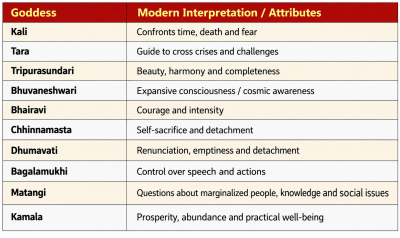
This consciousness-centered interpretation is a modern philosophical reading. In traditional Shakta worship, however, these also represent actual forms of the Goddess and constitute independent religious traditions.
Did Vedic ritualism overshadow the Mahavidyas?
Historically, it is more accurate to say that traditions of *Yajna* (sacrifice), *Mantra*, *Tantra*, meditation, *Bhakti* (devotion), temple worship, and philosophy evolved concurrently within Indian religious life, often merging into one another.
There is no evidence of a systematic suppression of the ten Mahavidyas by any specific Vaishnava campaign.
However, it is also a fact that certain practices of Tantric traditions remained preserved within secretive, guru-centric, and restricted lineages of initiation. This impacted their public visibility and their presence in general religious consciousness.
7. From Vasudeva to the Vishnu-Avatara Doctrine: Historical Evolution
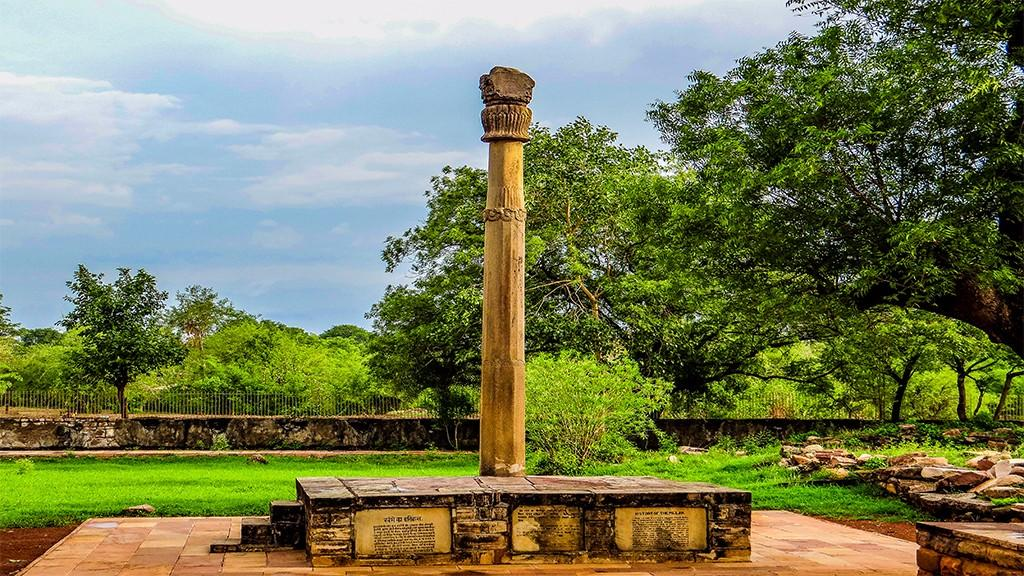
Here is a significant piece of epigraphic evidence—the Heliodorus Pillar at Besnagar, near Vidisha.
Dating back to approximately the 2nd century BCE, this pillar reveals that the Greek ambassador Heliodorus identified himself as a *Bhagavata* (devotee) of Vasudeva.
It is counted among the ancient and concrete epigraphic proofs of Vasudeva-Bhagavata worship.
The Gupta Period: Vaishnava Royal Patronage and Political Legitimacy
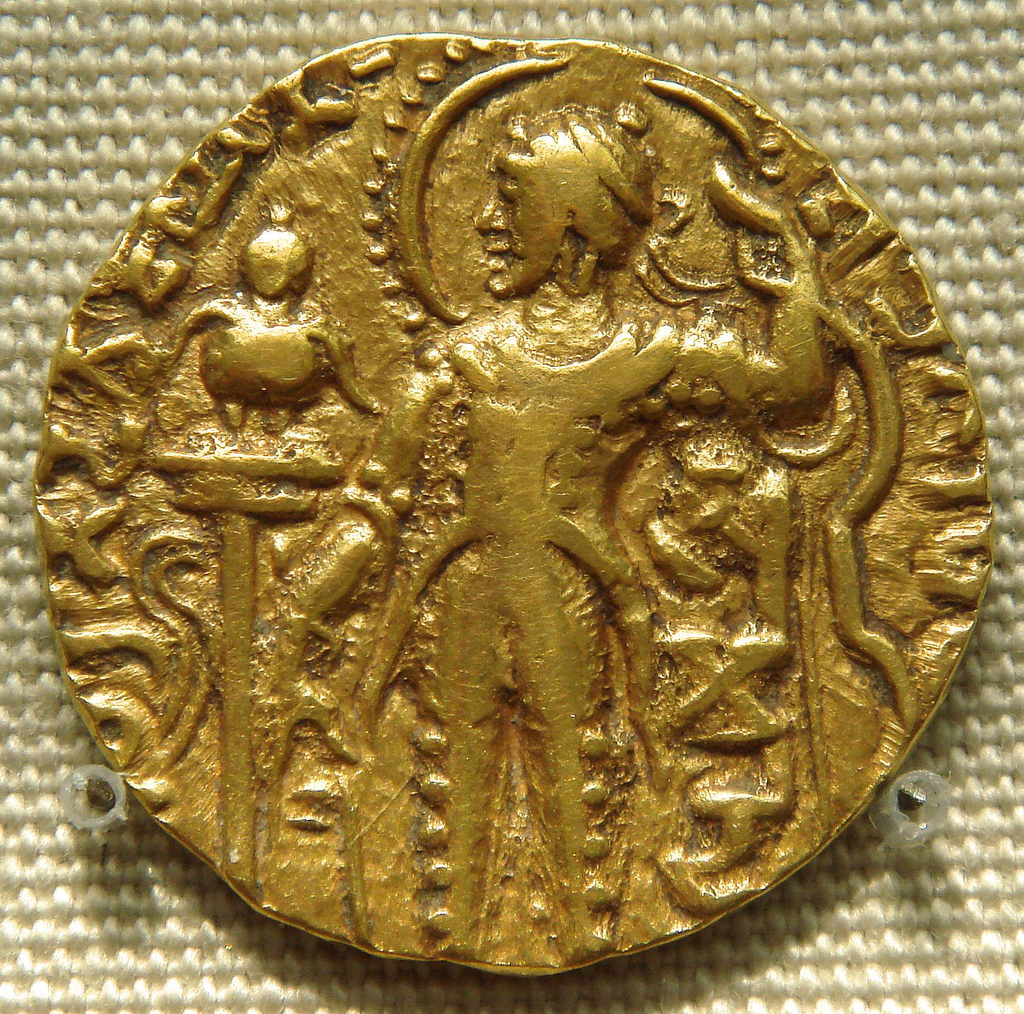
Vaishnava bhakti received significant royal patronage during the Gupta period (approximately 320–550 CE).
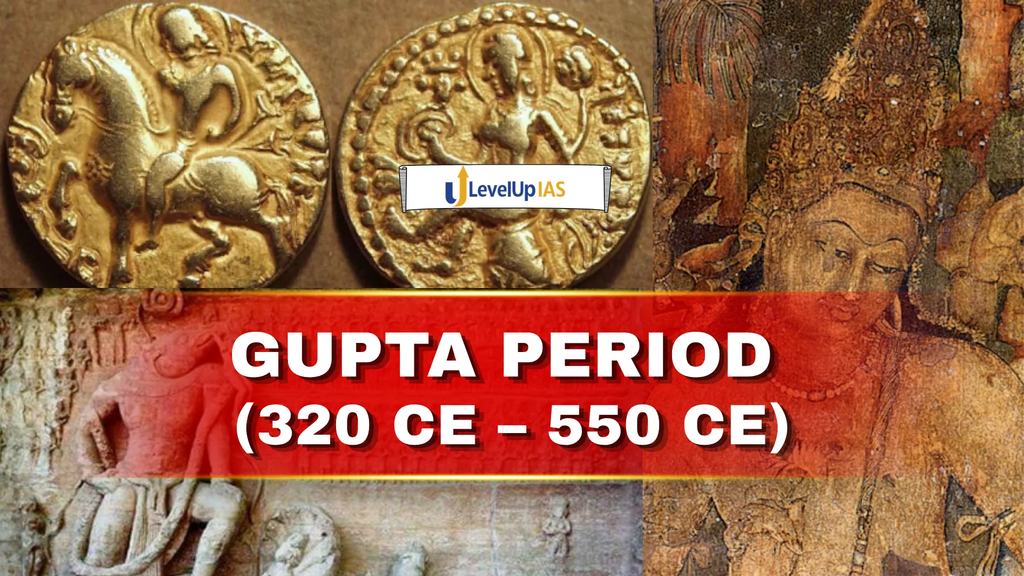
Vaishnava associations are evident in the inscriptions and royal symbols linked to Samudragupta and Chandragupta II. Titles such as “Paramabhagavata” became part of the royal religious identity.
Historians have studied the synthesis of Vedic rituals, Vaishnava devotion, and state ideology within Gupta kingship.
Was this an alliance between religion and power?
Yes, there is evidence of a connection between religious symbols and royal authority during the Gupta period.
The precise historical conclusion is:
During the Gupta period, a clear process of linking Vaishnava religious symbols with royal patronage and the legitimacy of the empire is evident.
8. The number of Dashavatars: There were not always ten.
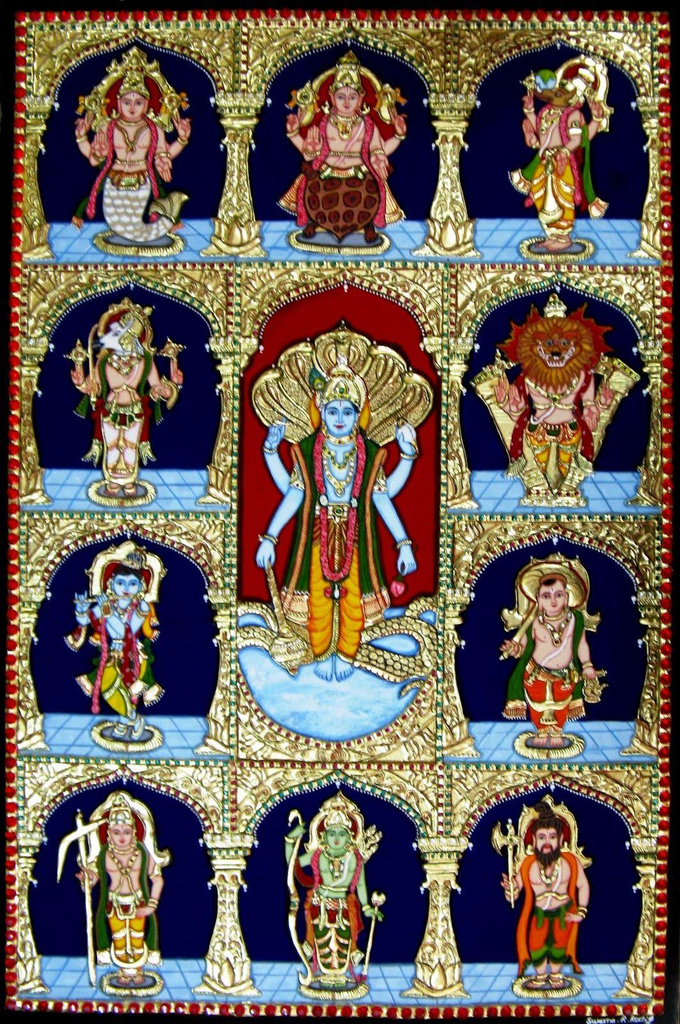
The number and list of Vishnu’s avatars have varied across different texts.
This is a fact established in religious literature, not a figment of a modern critic’s imagination.
Key Stages of Development
First Stage: Vedic and Brahmana Literature
The Rigveda describes Vishnu’s “three strides.” The Shatapatha Brahmana recounts the story of Manu and the fish, though the fish is not explicitly identified there as an avatar of Vishnu.
Later traditions linked the Matsya (fish) story to Vishnu.
Second Stage: The Epic Period
Stories regarding the various forms and incarnations of Vishnu/Narayana evolved during the Mahabharata period. The number of forms cited varies across different texts and lists.
Third Stage: The Puranic Period
The Bhagavata Purana (1.3) describes twenty-two avatars but subsequently states that the avatars are countless.
In other words, even within the Bhagavata tradition itself, the total number of avatars is not limited to just ten.
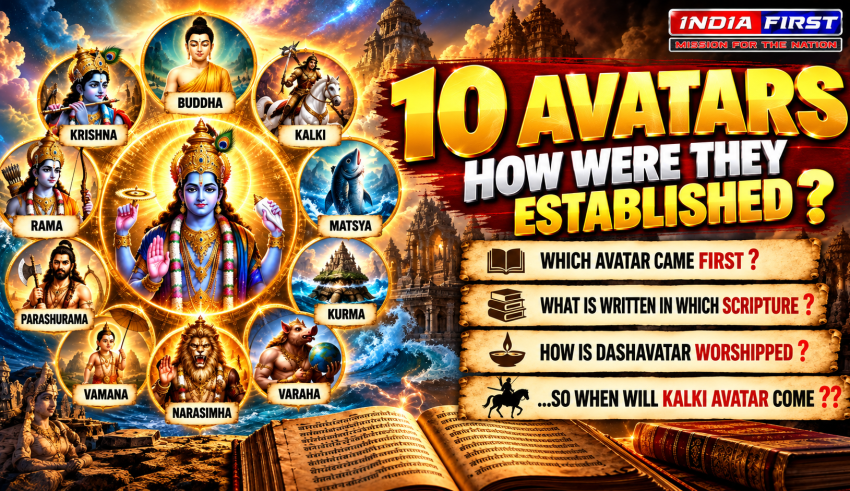
Fourth Stage: The Popular *Dashavatara* (Ten Avatars) Concept
The classification of ten principal avatars gained greater prominence in medieval literature.
A famous example of this is the *Dashavatara Stotra* found in Jayadeva’s *Gita Govinda* (12th century). His sequence includes both Balarama and Buddha.

Therefore, today’s list—Matsya, Kurma, Varaha, Narasimha, Vamana, Parashurama, Rama, Krishna, Buddha, and Kalki—is not the sole list across all traditions. In some traditions, Balarama appears in place of Buddha.
Conclusion
Dashavatara is a popular religious classification; it is not the universally definitive final count of all of Vishnu’s incarnations.
9. Does the concept of *Avatara* (divine incarnation) make humans dependent on an external savior?
This is a question that transcends religious history and enters the realm of social psychology.
One message of the *Avatara* concept is that when righteousness (*Dharma*) declines, God manifests to protect it.
However, when this belief transforms into passive waiting within one’s current life, its consequences must be questioned.
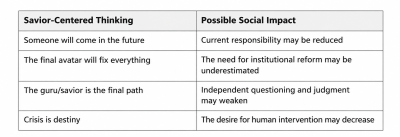
This is a potential effect, not a fact applicable to every devotee or every Vaishnava.
Moreover, this question applies not only to Hindu *Avatara* theology but to any religious or ideological system that renders humans dependent on a single external savior.
10. Shankaracharya, *Mathas*, *Panchadeva*, and *Panchamrita*: Did external worship become entrenched here?
Adi Shankaracharya’s traditional era is generally considered to be around the 8th century CE, although there are differences of opinion regarding the exact date.
Traditions attributing the establishment of four *mathas* (monasteries) and the *Panchayatana* form of worship to him are well-known.
However, attributing the entire historical framework of these institutional arrangements to a single individual or a specific year requires caution.
What is *Panchayatana* worship?
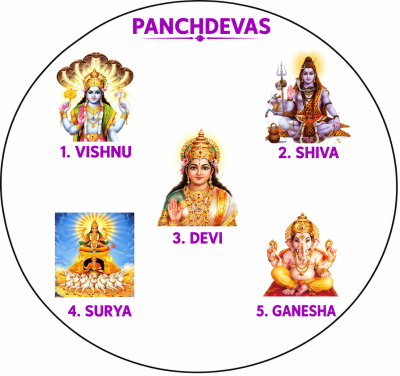
*Panchayatana* worship typically involves the veneration of five forms of the Divine:
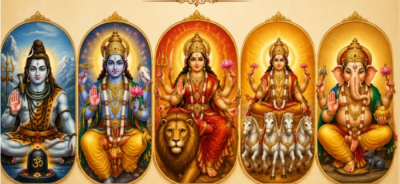
Shiva
Vishnu
Devi
Surya
Ganesha
This is understood as the integration of various worship traditions into a single system of worship.
Did the *Abhisheka* of the Shiva-linga exist as far back as the Vedic period?
There is a significant historical distinction here.
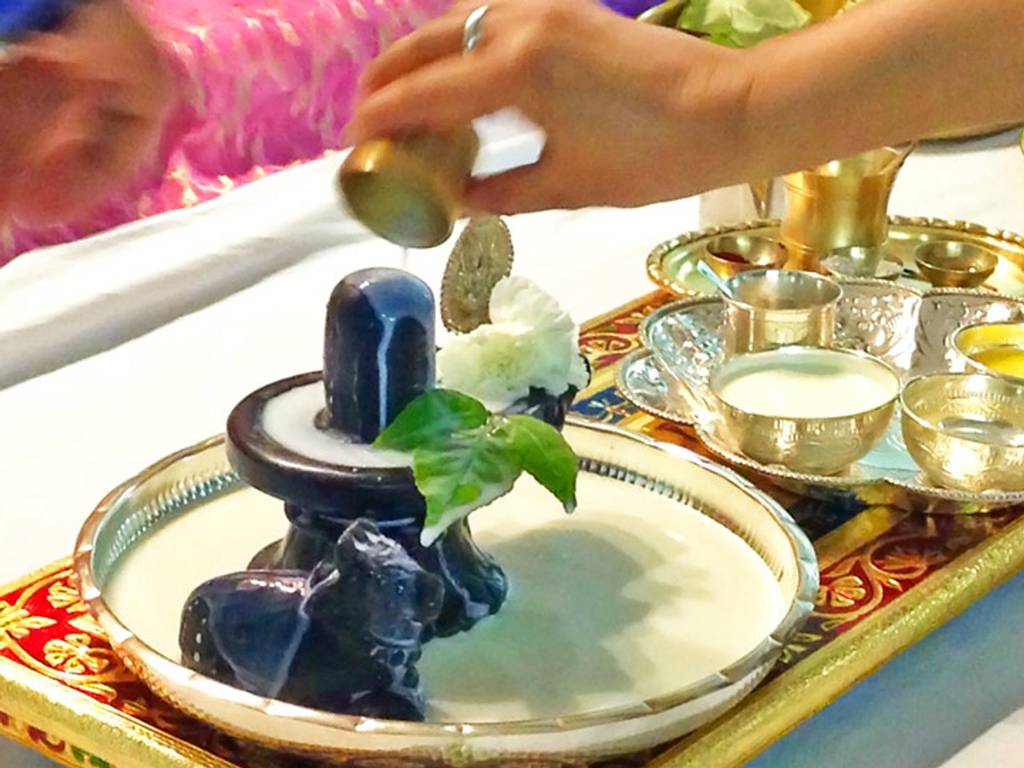
The Vedic sacrificial tradition and the temple tradition of performing *abhishek* (ritual bathing) on the *Shivling* with water, milk, curd, ghee, honey, etc., are not the same thing.
Yet, a significant philosophical question arises: does a ritual, initially a means of spiritual practice (*sadhana*), ever become the ultimate goal of that practice itself?
This question applies equally to the worship of Shiva and Vishnu, *Shakta* practices, and all forms of religious ritualism.
11. Has contemporary Hinduism become fundamentally centered on the concept of *Avatar* (divine incarnation)?
Today, the public religious landscape is dominated by the widespread presence of Rama, Krishna, the *Avatars* of Vishnu, temples, *Katha* (religious storytelling), pilgrimages, and *Bhakti* (devotion).
However, the Hindu tradition is not defined solely by the concept of *Avatar*.
Nevertheless, it is fair to say that the high visibility of *Avatars*, *Katha*, and *Bhakti* in modern popular culture has rendered many other philosophical and spiritual traditions less familiar to the general public.
This is a subject worthy of significant cultural study.
12. Did the history of various religions also gravitate towards the doctrine of a ‘Savior’?
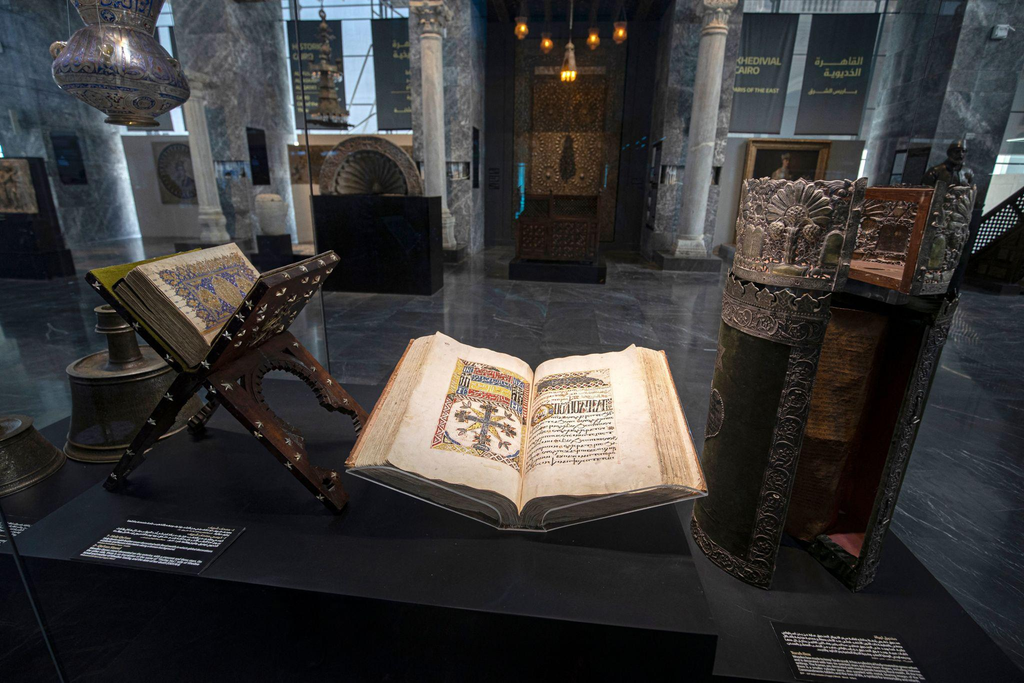
It is essential to view religious traditions here in their actual historical sequence.
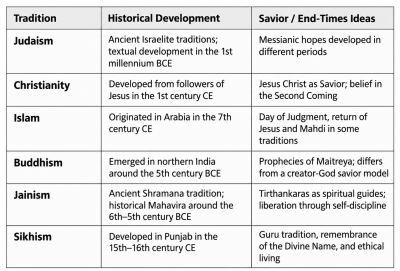
Yet, a comparative question can be raised:
In any religion, can the anticipation of a future savior overshadow the moral and social responsibilities of contemporary human beings?
This question transcends any specific religion.
13. Now, the greatest crisis: AI and human consciousness.

Humanity faces a genuine technological shift today.
Risks associated with AI include:
Deepfakes (videos, audio, and news)
Citizen privacy and data control
Shifts in employment and skills
Bias in automated decision-making
Cybersecurity and autonomous systems
Erosion of human oversight and accountability
The International AI Safety Report 2026 discusses these risks and the potential loss of control. While experts differ on the severity of future risks, current instances of misuse and safety-related challenges are real.

International AI Safety Report 2026
Will we simply resign ourselves to the AI crisis as an inevitable turn of fate?
Will we say that an *Avatar* (divine incarnation) will arrive and set everything right?
Will we get entangled in narratives while ignoring critical questions regarding citizen data, employment, human decision-making, and technological control?
Or will we exercise our reason, scientific understanding, ethics, and social responsibility?
This is the real question today.
14. Final Question: From a Timeless, Nature-Nurturing Way of Life to Sects
The history of human society does not begin with any single scripture. Human existence, the relationship with nature, community, rituals, and symbols predate religious texts by a long time.
However, the claim that “before the Vedas, all of humanity followed a single, timeless, nature-nurturing religion” is not substantiated by available archaeological evidence. Different societies held diverse beliefs and cultures.
History presents us with a more complex picture:
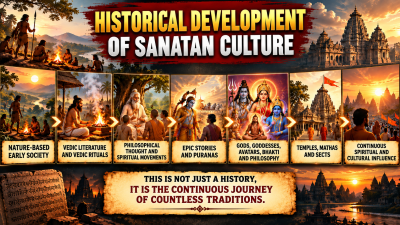
Nature-based ancient society → Vedic literature and sacrificial traditions → Upanishadic philosophy and the Shramana movement → Epics and Puranas → Shaiva, Shakta, and Vaishnava Bhakti and Tantra → Temples, monasteries, and sects → Modern religious identity.
This is not a linear progression; it is a history of multiple parallel streams.
Conclusion: Awaiting a savior or the awakening of consciousness?
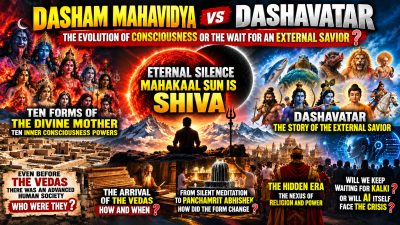
When comparing the *Dasha-Mahavidya* and the *Dashavatara*, the paramount question is not the supremacy of any specific deity.
The question is—where does humanity place its liberation, discernment, and responsibility?
The number of *Dashavatara* (ten incarnations of Vishnu) varied across different texts. The current grouping of the *Dasha-Mahavidya* (ten forms of the Goddess) also emerged through historical evolution. Vedic sacrifices, Upanishadic introspection, Shaiva-Shakta Tantra, Vaishnava Bhakti, temples, and monasteries—these are the actual layers of Indian religious history.
The philosophical premise regarding the nature of Truth is:
Truth is Shiva. Shiva is silence. Shiva is infinite. Shiva transcends time.

The “Sun of Time” (*Kaal Surya*) symbolizes supreme consciousness; viewing the visible world as a projection of the *Sudarshan Chakra* emanating from it represents a metaphysical perspective on truth—not a scientific or astronomical conclusion.
However, the practical implication of this idea is clear:
If wisdom, compassion, and a sense of responsibility do not awaken within human consciousness, merely waiting for a future savior will not resolve present-day problems.
And this question is not relevant to Hindu society alone.
Followers of Abrahamic traditions, too, should reflect on human history prior to their respective religions, on ancient civilizations, and on the historical evolution of the concept of a savior.
Humanity existed before any religion; life existed on Earth even before humanity.
So, is the ultimate goal of our spiritual journey to wait for an external savior—or to recognize truth, wisdom, and compassion within ourselves?
Will we resign ourselves to current crises—such as the rise of AI—as mere destiny, or will we take responsibility for human consciousness ourselves?