INDIA FIRST . SATYA DARSHAN . ASHUTOSH
HIGHLIGHTS FIRST:
A factual analysis of mythological narratives, historical development, and philosophical boundaries
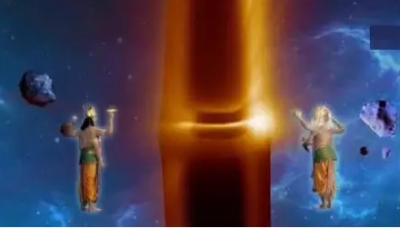
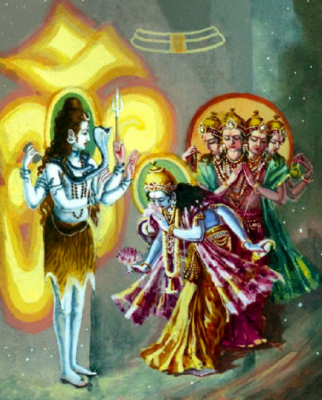
The story of Lord Shiva’s infinite Jyotirlinga (pillar of light) form is primarily described in the Shiva Purana (Kotirudra Samhita).
According to the Shiva Purana (Kotirudra Samhita):
• A dispute arose between Brahma and Vishnu regarding their superiority.
• At that moment, Shiva manifested himself as an infinite pillar of light.
• This pillar of light had:
• No end above
• No beginning below
• No fixed location
• Brahma went upwards, Vishnu went downwards—
Both failed.
This is not a historical event,
but a Puranic symbolic narrative.
This same story is also found in the Linga Purana and the Skanda Purana.
Philosophical interpretation
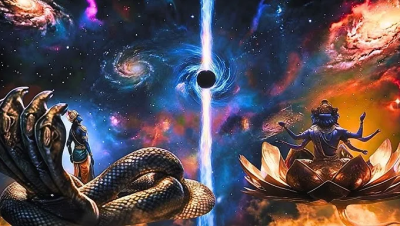
This light:
• was not a stone phallus
• was not an idol located in a temple
• but was an infinite, spaceless, timeless radiance
That is, it was a symbol of the formless Shiva —
whom neither gods nor humans could comprehend or measure.
The Jyotirlinga is not an “origin” — but a manifestation.
The important facts are:
• The Jyotirlinga is not described as having a birth or creation.
• The word used in the Puranas is – “Swayambhu”
Meaning of Swayambhu:
• Not established by humans
• Not created at any point in time
• Symbolically “self-manifested”
The philosophical meaning is that:
Shiva was not created by anyone,
He was only experienced symbolically.
How was Shiva worshipped before the Jyotirlinga?
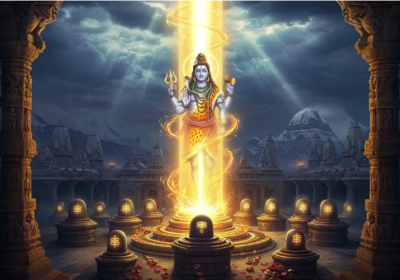
Vedic Period (Rigveda)
• Shiva was called Rudra
• Worship was performed through sacrifices and mantras
• No idol or lingam installation
Post-Vedic / Puranic Transition
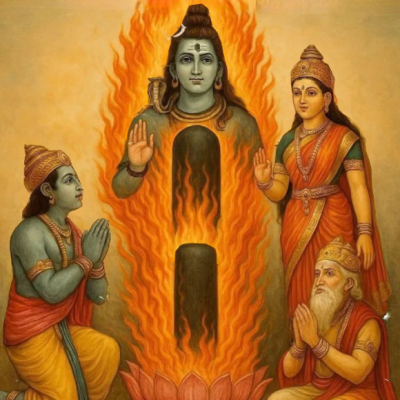
• After the Daksha Yajna story (Linga Purana)
• The practice of worshipping earthen/natural Shiva Lingams
• The tradition of bringing naturally formed stone Lingams from rivers (especially the Narmada)
Archaeological evidence
• Proto-Shiva symbols from the Indus Valley Civilization
• Yogamudra, Pashupati figure
This is historical, but it cannot be directly called a Jyotirlinga.
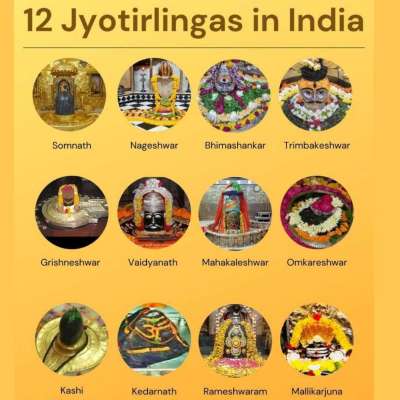
How did the number “12 Jyotirlingas” come about?
Puranic Context
The Shiva Purana lists the 12 Jyotirlingas:
• Somnath
• Mallikarjuna
• Mahakal
• Omkareshwar
• Kedarnath
• Bhimashankar
• Kashi Vishwanath
• Tryambakeshwar
• Vaidyanath
• Nageshwar
• Rameshwaram
• Grishneshwar
Each has a different mythological story:
• Somnath → Chandra’s penance
• Rameshwaram → Established by Rama
• Kedarnath → Pandava legend
There is no historical date, ruler, or person who designated the “12.”
When were the temples built? (History)
A clear distinction is necessary here:
• Jyotirlinga = Puranic/philosophical concept
• Temple = Historical construction
Most of the current Jyotirlinga temples:
• Were built between the 11th and 18th centuries
• Were built by kings, the Bhakti movement, and regional patrons
• Were destroyed and rebuilt multiple times
Therefore, it is not historically accurate to say that
“The 12 Jyotirlingas were established simultaneously in any single era.”
Can the infinite Shiva truly be limited to just 12 locations?
The Puranas themselves say — no.
• Shiva is without attributes and formless.
• Not limited by space.
• Not bound by time.
Considering the 12 Jyotirlingas as the complete form of the infinite Shiva is
not philosophically correct.
The correct understanding is:
• These are symbolic sites.
• They are cultural and devotional centers.
• They are points of human experience of the infinite Shiva.
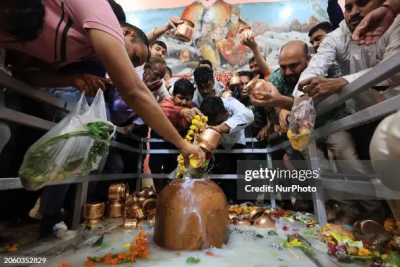
Is Shiva present in the stone or not?
From a scriptural perspective:
• Shiva is not the stone
• The stone is a symbol
Jyotirlinga:
• Considered to be self-manifested stones
• But Shiva’s consciousness is not “contained” within it,
but rather is symbolized through it
The fact of the Abhisheka tradition
Scriptural basis:
• Shiva Dharma Shastra
• Rudra Yamala
• Puranic methods
Abhisheka:
• Water, milk, curd, ghee, honey, bilva leaves
• Symbol of purification and surrender
This is not mandatory,
it is not a condition for pleasing Shiva
It is the language of devotion,
not a necessity for the Shiva principle.
Integrated Conclusion (Fact-based)
• The Jyotirlinga form of the infinite Shiva is a Puranic symbol
• It is a symbol of the formless radiance of Mahakala-Mahakali
• 12 Jyotirlingas:
• Not a limitation of the infinite Shiva
• But centers of human memory and devotion
• Temples and Abhisheka are historical-cultural developments
• Shiva himself is beyond place, stone, and ritual
Those who consider these as the ultimate truth will remain stuck in the symbol
Those who consider them as symbols will open themselves to the infinite
Note: Therefore, those who make baseless comments about the Shivlinga can be given this answer by Sanatani Hindus: that the Jyotirlinga or Shivlinga is not the infinite, formless Shiva, which is the real truth – there is no linga, idol, or form.
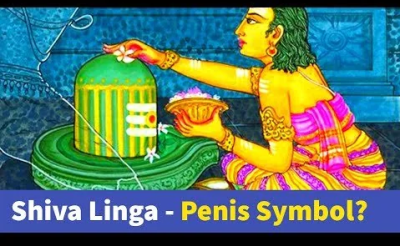
Shiva is the one whose true form even Brahma and Vishnu could not comprehend.
Over time, rituals and priests have prescribed offerings of milk, curd, and water – but consider this:
Can anything be offered to the Infinite?
Did the true Shiva express his preferences or did he destroy ego?
Destroy falsehood; believing in ostentation and fabricated stories as truth is the greatest illusion.
And yes – there is no one equal to Shiva Mahakal and his light, Mahakali – neither Brahma nor Vishnu – because Shiva makes no distinctions.
Shiva is in everyone – we are all fragments of his consciousness.
It is not through actions, mantras, tantras, or yantras, but through self-realization that one understands Shiva.
Shivo’ham = So’ham
Legal and Ideological Disclaimer
This article does not intend to promote hatred, disrespect, or contempt against any religion, sect, faith, temple, or religious tradition.
This is an educational, historical, and philosophical analysis that presents a critical interpretation based on ancient texts, Puranas, and history.
The author respects the religious freedom, right to faith, and constitutional values of all citizens.
The reader’s agreement or disagreement is their personal right.
INDIAFIRST.ONLINE