
INDIA FIRST . SATYA DARSHAN . ASHUTOSH
HIGHLIGHTS FIRST
The Ultimate Syndicate:
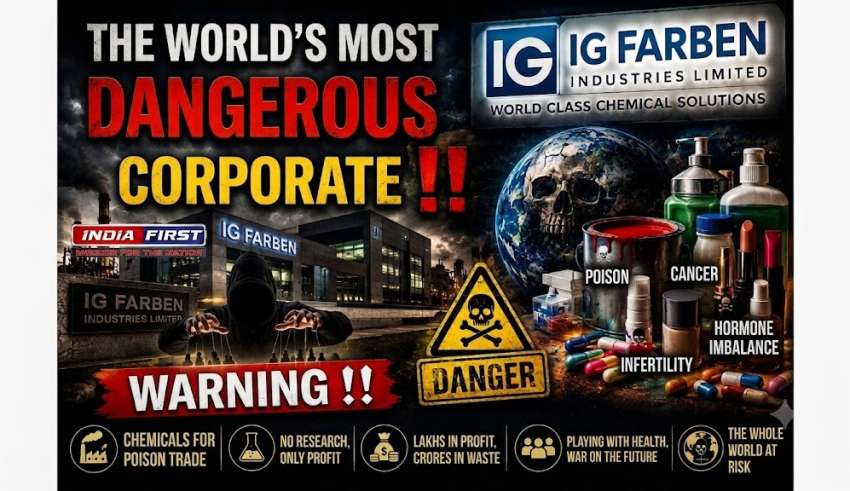
‘I.G. Farben’—formed through the merger of corporate giants such as Bayer, BASF, and Hoechst—which manufactured both the life-saving Aspirin and the life-destroying Zyklon B gas under a single roof.
The Rockefeller and Standard Oil Deal:
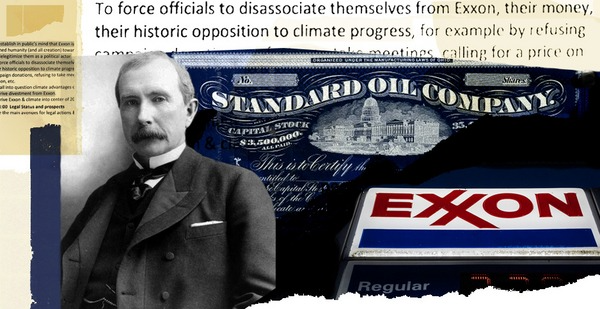
The secret ‘JASCO Agreement’ of 1926, under which Rockefeller’s American company and a German syndicate divided the world’s markets and synthetic fuel technologies between themselves.
The True Fuel of the Nazi War Machine:
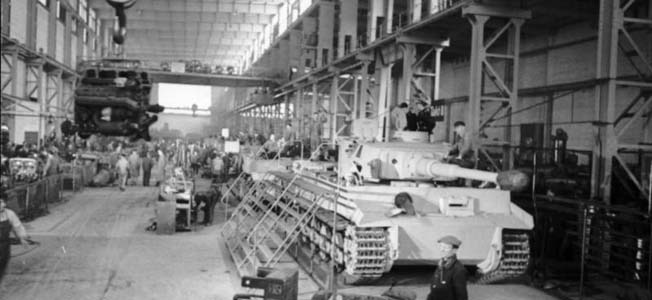
From the funding of Adolf Hitler’s election campaign to the dark history of the ‘IG Auschwitz’ factory—situated right next to the Auschwitz concentration camp—which ran on the backs of slave laborers.
The Farce of the Nuremberg Trials:
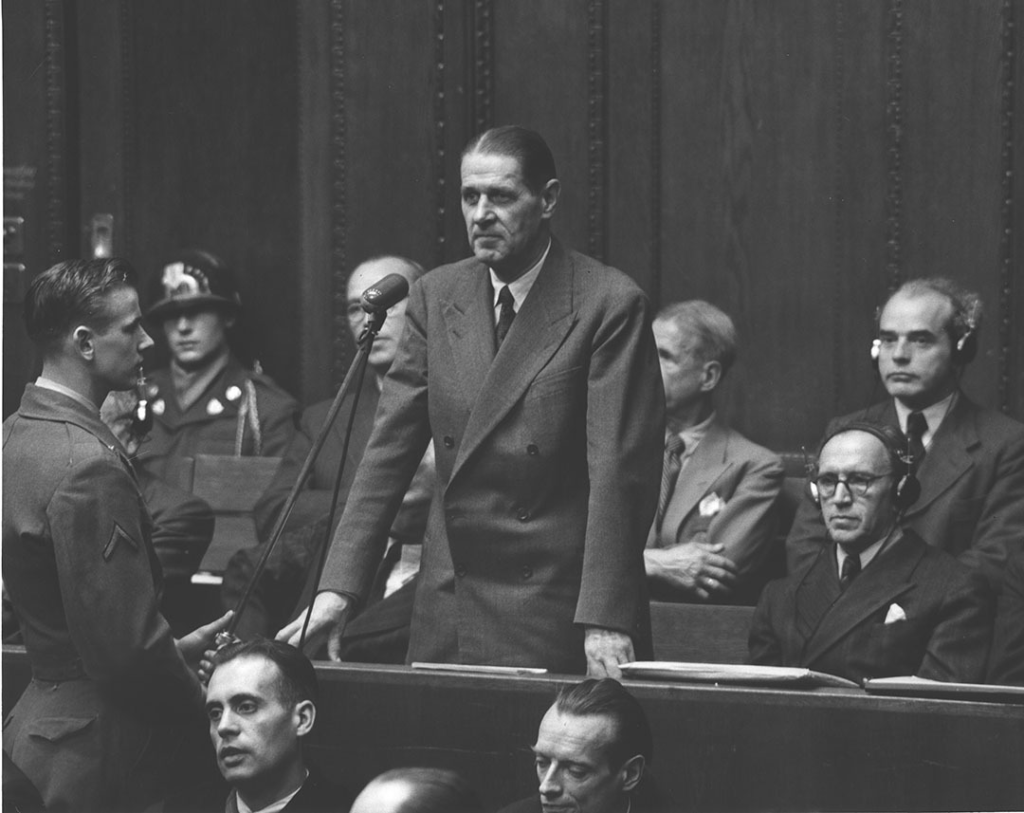
The officials responsible for the deaths of millions and for war crimes were released after just a few years; and that very Fritz ter Meer became the Chairman of the Bayer company following his release.
Legal and Philosophical Disclaimer
Disclaimer: This article is a factual and investigative historical review based entirely on official historical records, U.S. Senate investigative reports from 1942, documents from the 1947–48 Nuremberg Military Tribunal trials, and established academic historical texts. Its objective is not to undermine the legal credibility of any current institution, but rather to intellectually enlighten the general public regarding some of the most significant and well-documented events in global corporate history.
Introduction — The Triangle of Medicine, Dyes, and Weapons
History’s greatest irony lies in the fact that the very global forces behind the needle or chemical you accept to heal your body are, at that very same moment, manufacturing the most destructive weapons used to control the world.
As we turn the pages of history, we encounter the name of a corporate behemoth that transformed medicine entirely into a corporate weapon.
It was a company that, on one hand, sold Aspirin to cure your headache, while on the other, it manufactured Zyklon B gas—the very substance used to torture and kill millions of innocent people in gas chambers.
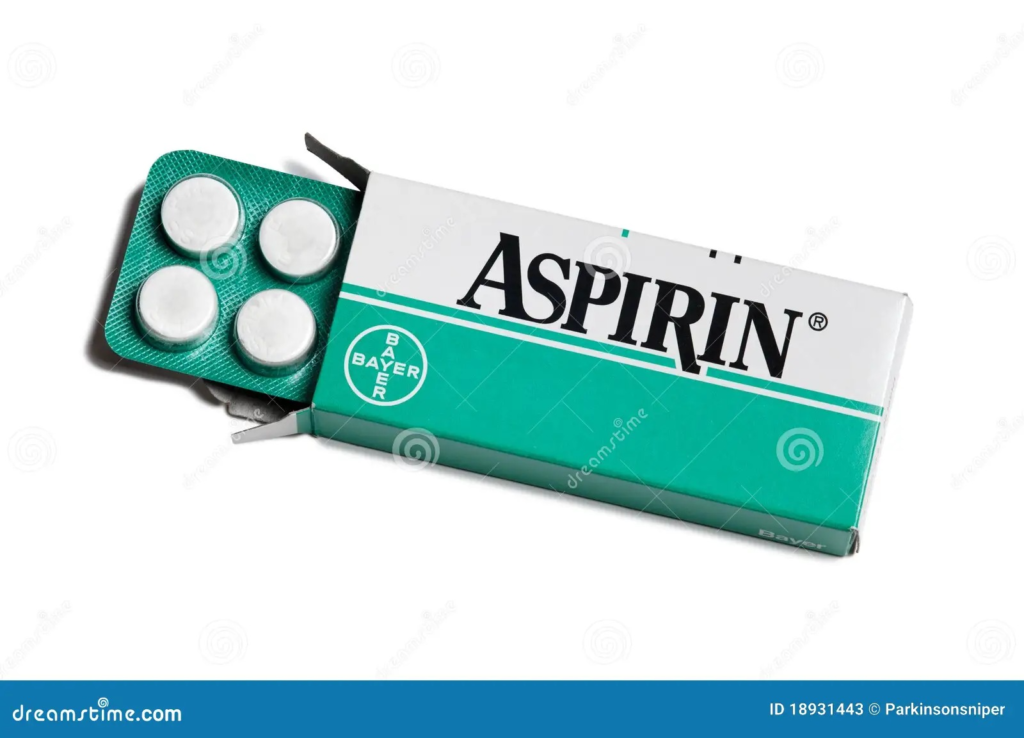
This is the story of IG Farben—the empire that demonstrated the genetic genocide of consciousness and humanity that ensues when corporate interests form an alliance with political power.
Part 1: What Was IG Farben? (The Birth of the Titan)
In 1925, the largest merger in corporate history took place within Germany.
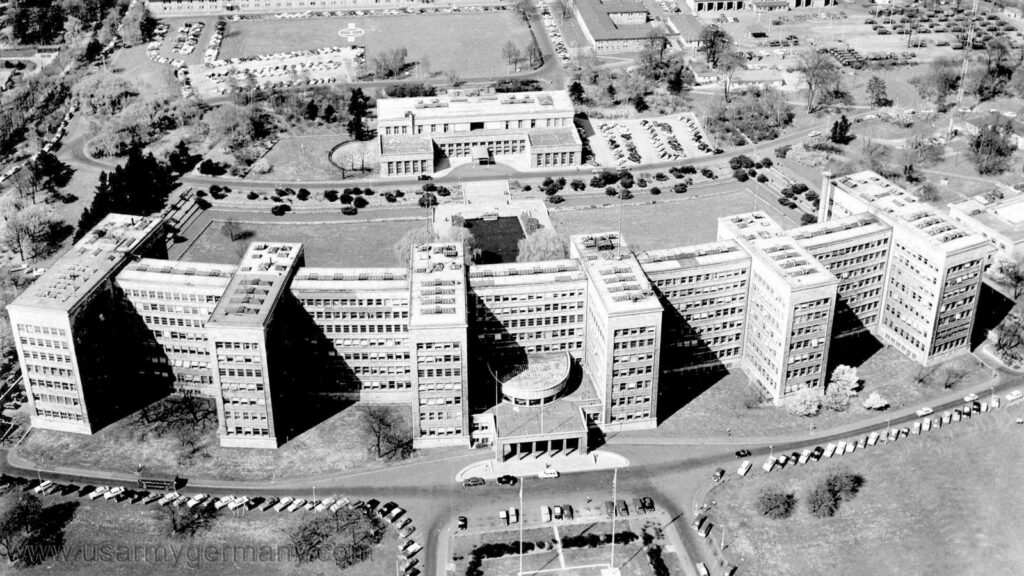
Interessengemeinschaft Farbenindustrie AG (meaning ‘Association of Dye Industries’), abbreviated as IG Farben, was formed. This was no ordinary company. It was a joint syndicate of Germany’s six largest chemical and pharmaceutical giants:
Global Scale and Power:
It became the world’s largest chemical corporation of that era.
Germany’s largest industrial conglomerate.
Following America’s General Motors, U.S. Steel, and Standard Oil, it was the world’s fourth-largest industrial empire.
It held such a monopoly over patented chemicals and pharmaceuticals that no European economy could breathe without it.
Part 2: History Pre-Merger—The Game of Drugs and Dyes
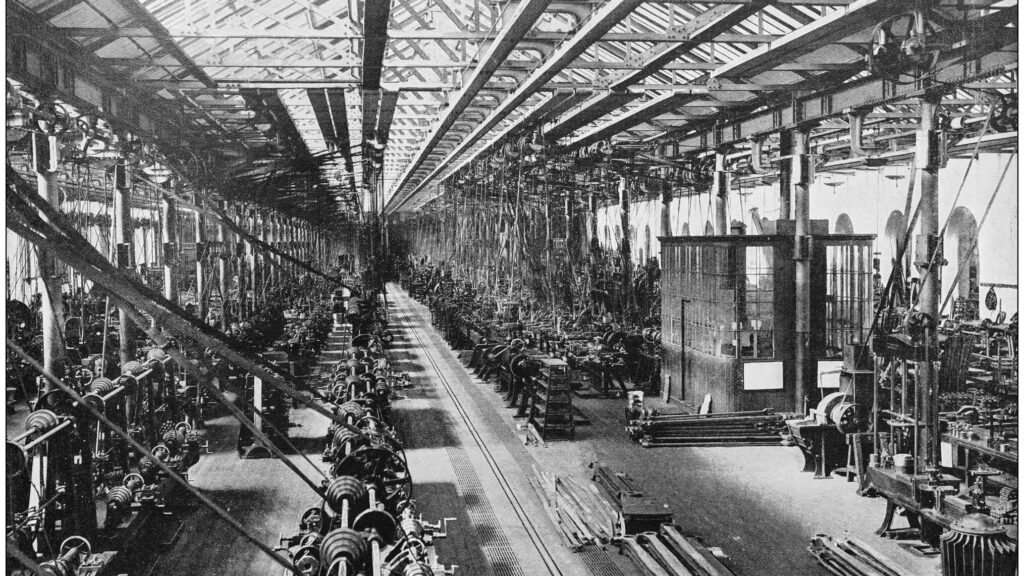
Before joining I.G. Farben, these companies had already begun to capture global markets on an individual basis. Their very history served as the foundation for this dual model of ‘medicine and poison.’
1. Bayer — Founded in 1863:
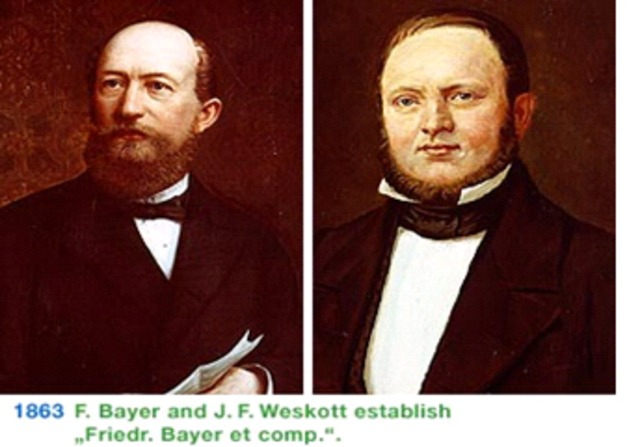
Friedrich Bayer and Johann Friedrich Weskott started this with coal tar dyes.
In 1897:
Bayer patented Aspirin, which went on to become the world’s best-selling drug.
In 1898:
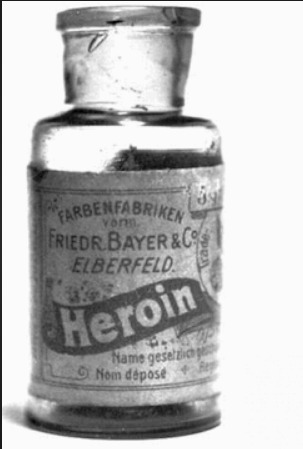
Exactly one year later, Bayer introduced ‘Heroin’ to the market, advertising it as a “safe and non-addictive cough syrup” for children’s coughs. It subsequently ruined the lives of millions of people.
BASF — Founded in 1865:

Badische Anilin und Soda Fabrik primarily manufactured industrial chemicals and fertilizers.
It was this very company that developed the technology to produce synthetic nitrogen from the air using the Haber-Bosch Process. This same technology enabled, on one hand, the production of urea and chemical fertilizers for agriculture, and on the other, the creation of the gunpowder and bombs that wreaked havoc during the First World War.
2. Hoechst — Founded in 1863:
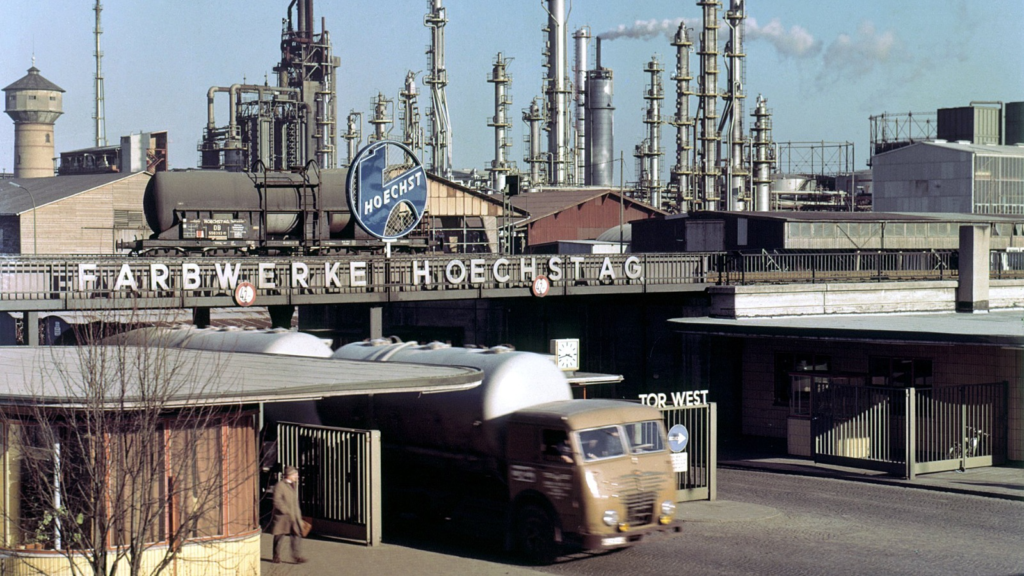
A master of synthetic dyes and basic chemicals, this company was at the forefront of the Westernization of medical education.
Initially, these three companies were fierce market rivals; however, in 1925—under the global influence of Rockefeller and corporate capitalism—they joined forces to eliminate competition and establish a complete monopoly.
An Unprecedented Business Model—Control on Every Front
I.G. Farben’s strength lay in its unprecedented diversification. They had brought every essential facet of human life and warfare under their control:
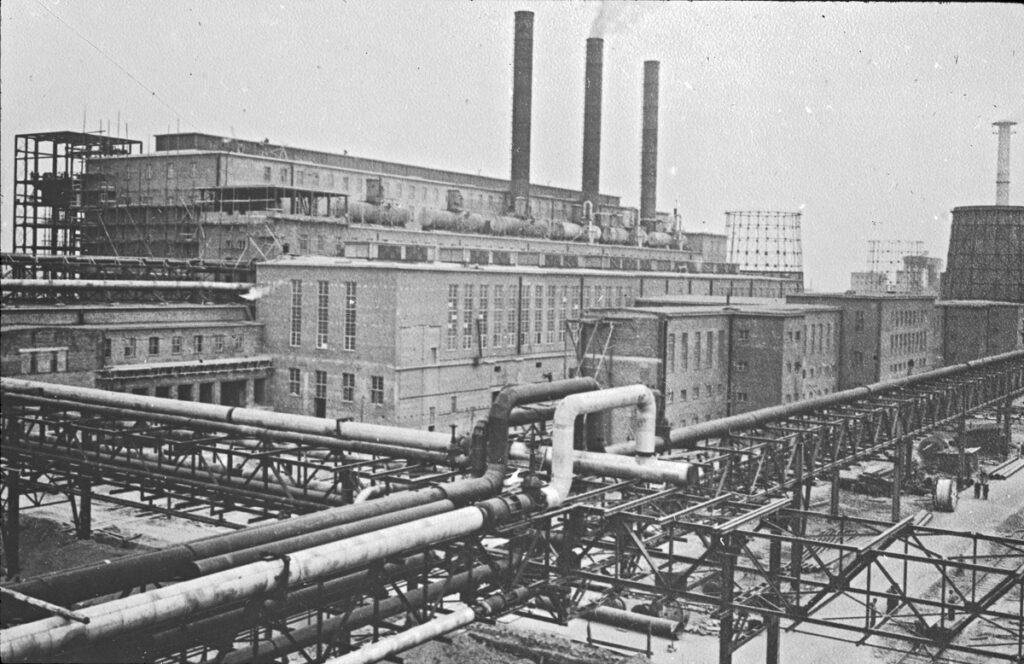
Pharmaceuticals:
Developing patented chemical medicines for every major disease in the world.
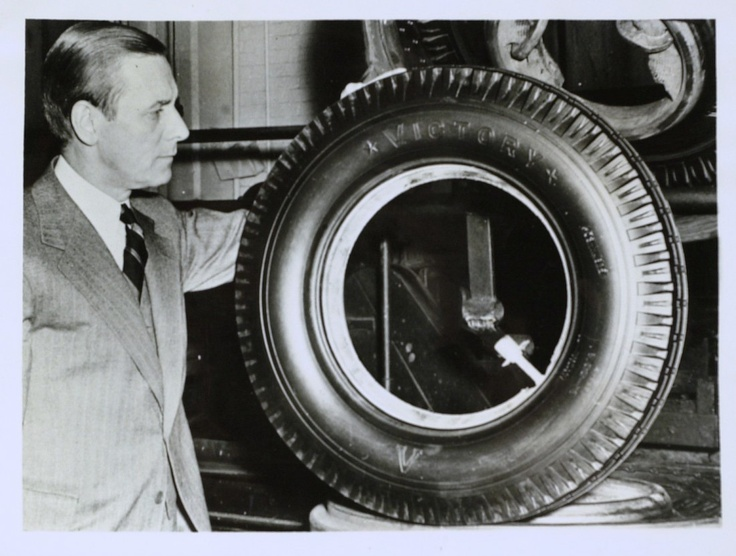
Synthetic Rubber (Buna):
Inventing artificial rubber for the tires of military vehicles, aircraft, and tanks.
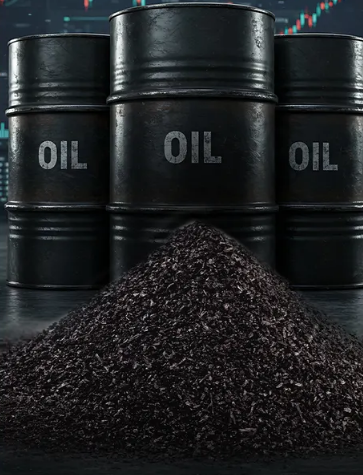
Synthetic Fuel
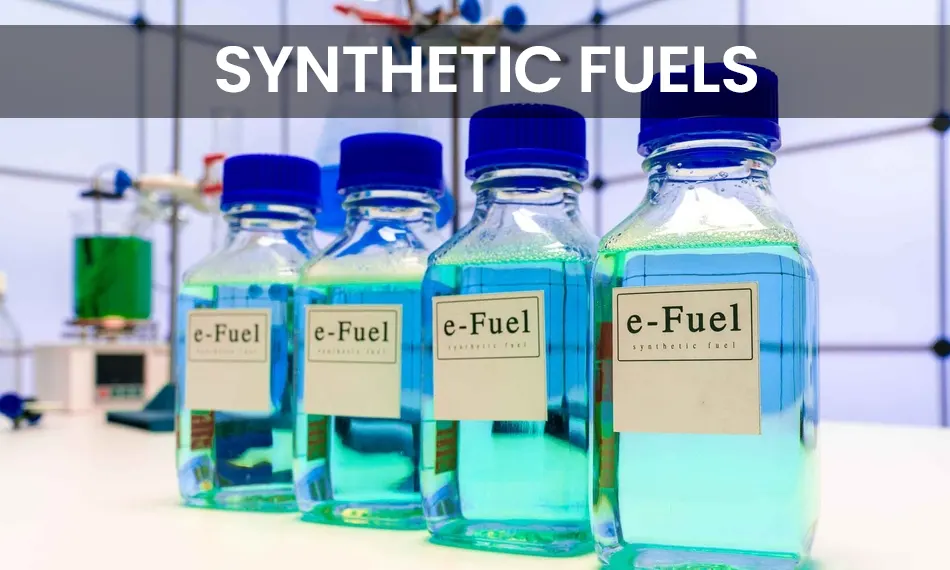
The technique for producing synthetic petrol from coal, because Germany did not possess natural oil wells.
Pesticides and Explosives:
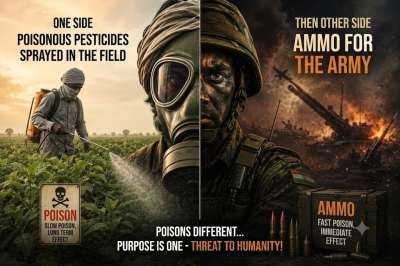
On one side, toxic pesticides for spraying on fields; on the other, gunpowder for the military.
A Secret Collusion with Rockefeller’s Standard Oil (The JASCO Agreement)
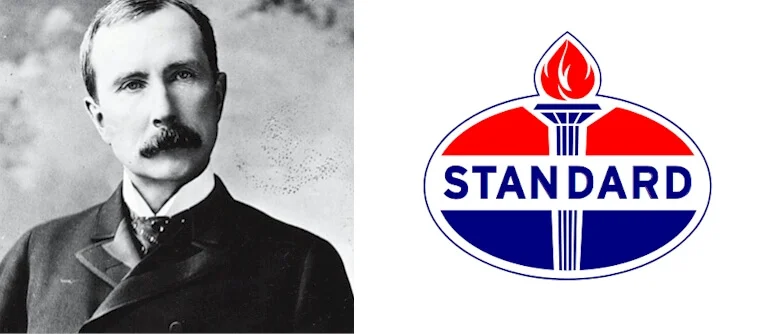
This syndicate was not limited solely to Germany; its threads were directly linked to the company of America’s wealthiest capitalist, John D. Rockefeller—Standard Oil of New Jersey.
The 1926 JASCO Agreement:
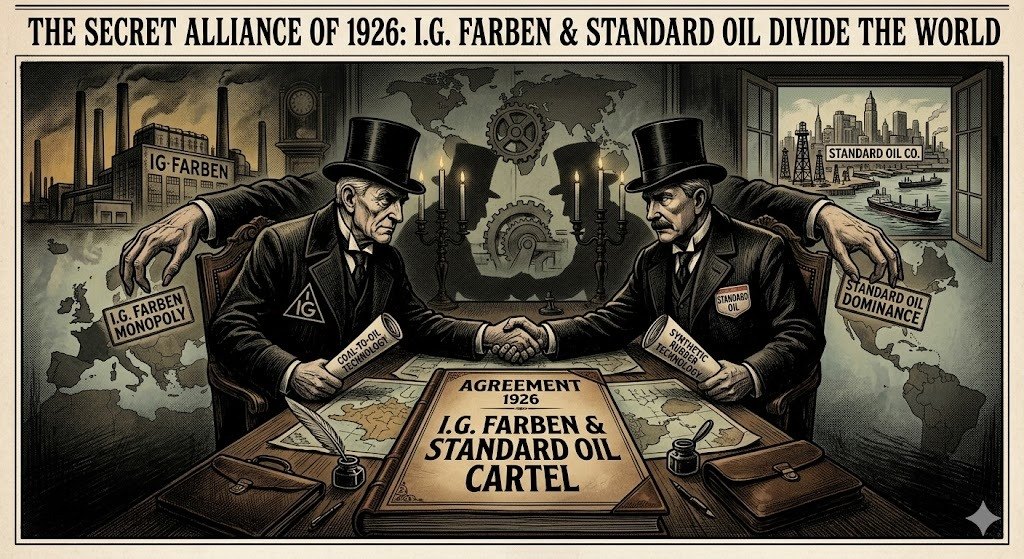
According to documented historical facts, I.G. Farben and Standard Oil formed a secret global cartel. The terms of this agreement were truly shocking:
I.G. Farben would share its coal-to-oil technology (Synthetic Oil Technology) with Standard Oil.
In exchange, Standard Oil would provide its synthetic rubber technology to I.G. Farben.
The two entities divided the global markets between themselves—Rockefeller’s Standard Oil would dominate the United States and its allied territories, while I.G. Farben would hold a monopoly over the entire European continent. Neither party was to encroach upon the other’s market.
U.S. Senate Investigation (1942):
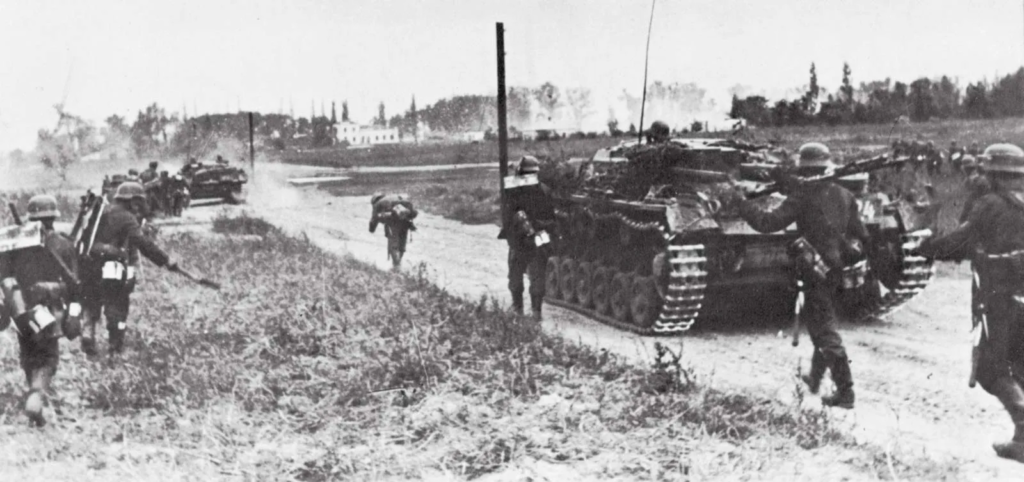
During World War II, when the U.S. military faced a rubber shortage, the U.S. Senate launched an investigation into the matter. Upon reviewing the documents pertaining to this agreement, then-Senator Harry Truman declared on live camera:
“This agreement amounts to nothing short of treason.”
However, the power of the global corporate syndicate was so immense that, despite the ongoing war, no criminal charges were ever filed against these prominent industrialists from either nation.
The Unholy Alliance of Nazi Germany and I.G. Farben
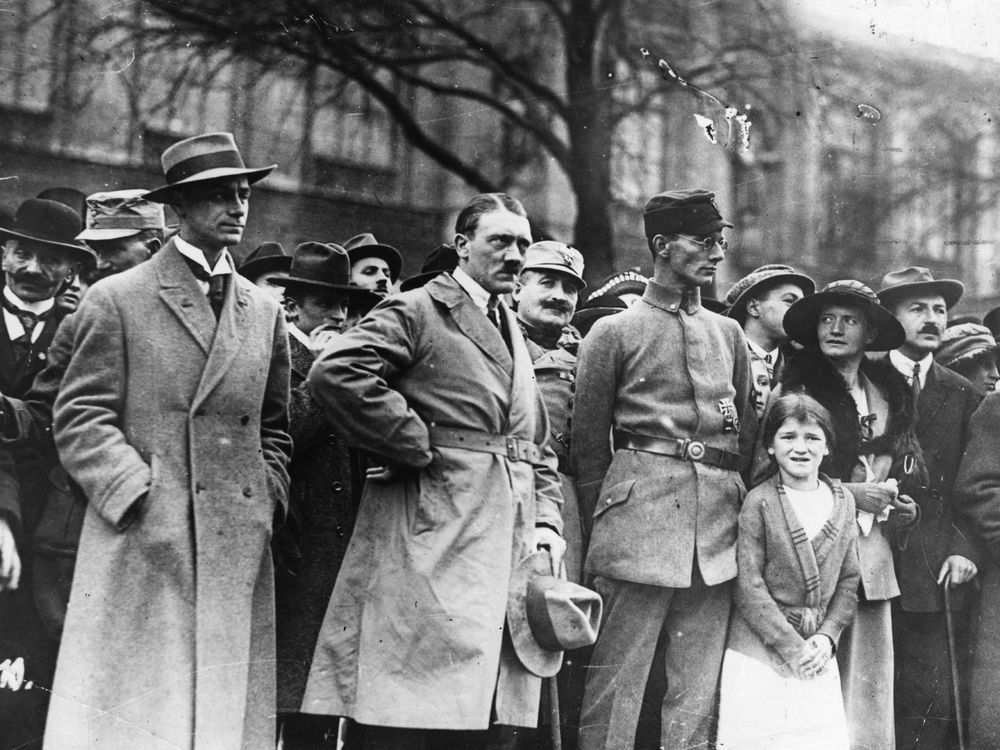
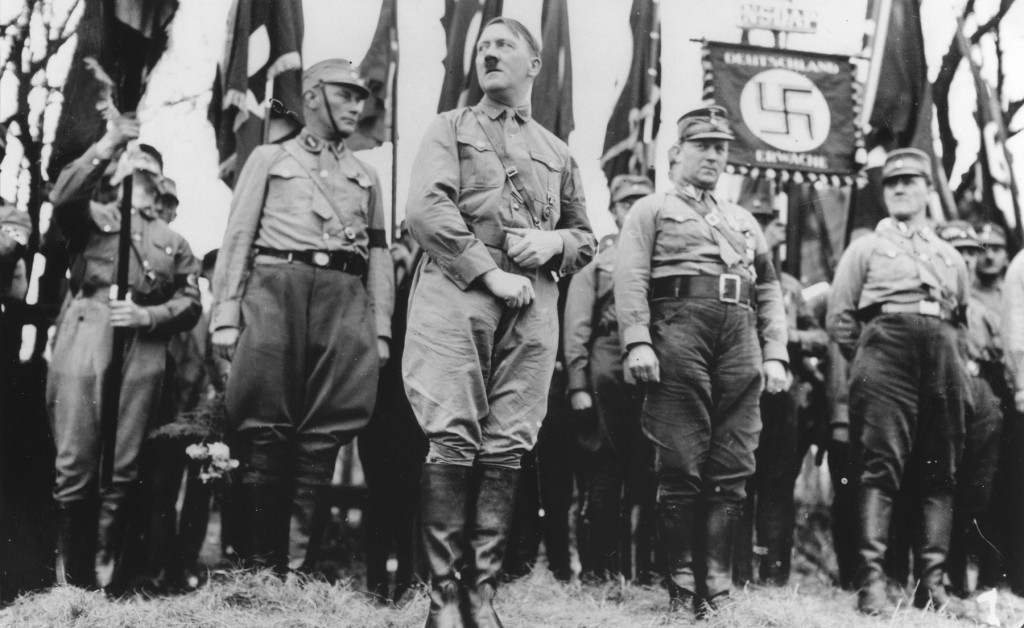
In 1933, when Adolf Hitler was contesting elections to seize power in Germany, he required a substantial amount of funds. I.G. Farben directly funded Hitler’s election campaign with 400,000 Reichsmarks.
Hitler’s promise in exchange for the funding:
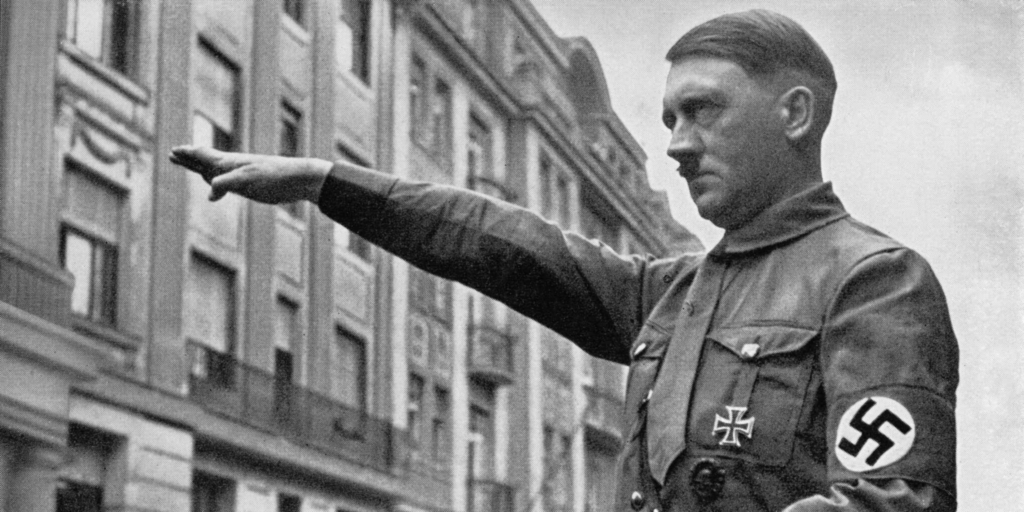
According to the records of the Nuremberg Trials (1947), Hitler gave secret assurances to industrialists that:
Upon coming to power, all labor unions (workers’ organizations) would be completely crushed.
Workers’ wages would be placed under government control and reduced to a minimum.
Military expansion (Industrial & Military Expansion) within the country would be limitless, thereby increasing the consumption of I.G. Farben’s chemicals and weaponry.
The Role in World War II and the Dark Truth of Auschwitz:
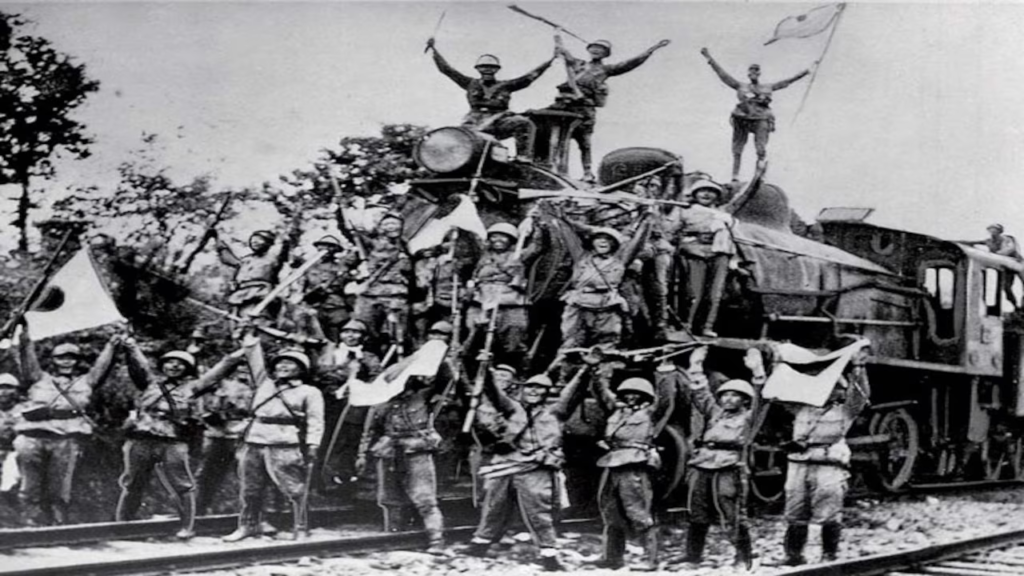
Without I.G. Farben, Adolf Hitler would never have dared to launch the Second World War. The tanks and aircraft of the German military (Wehrmacht) ran entirely on synthetic fuel produced at I.G. Farben’s ‘Leuna Plant’ and on the ‘Buna’ rubber tires manufactured by the company.
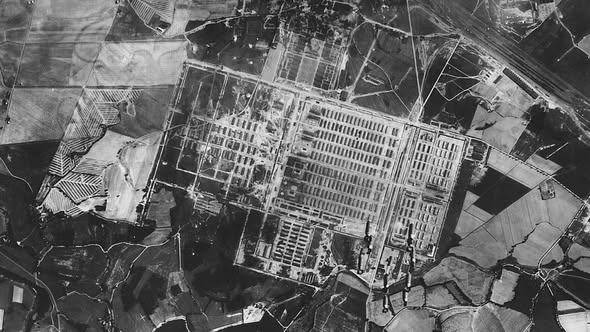
IG Auschwitz and Slave Laborers:
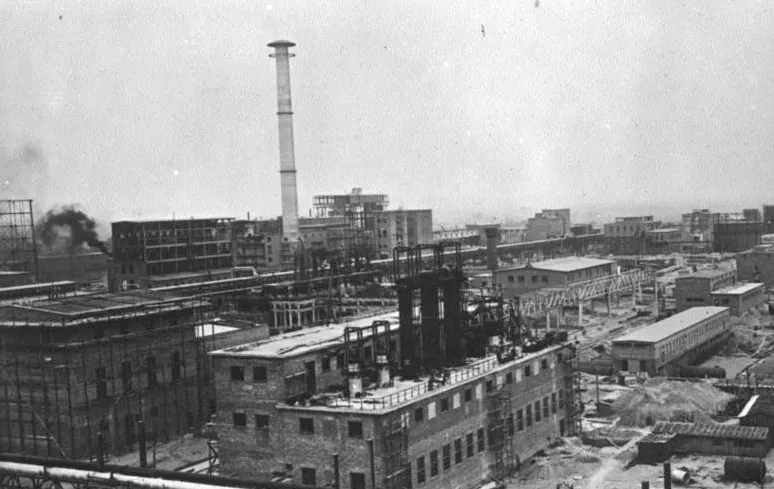
IG Farben built a massive factory right next to Auschwitz—the Nazis’ most notorious concentration camp—which is known in history as “IG Auschwitz.”
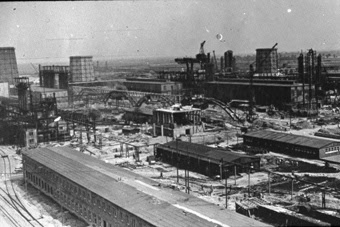
Here, the Jewish and other prisoners of the camp were utilized as slave laborers.
According to documented records, more than 25,000 prisoners at this factory were subjected to such brutal mistreatment that they perished in agony from starvation, extreme exhaustion, and disease. Any prisoner who was no longer fit for work was sent to the adjacent camp.
Production of Zyklon B:
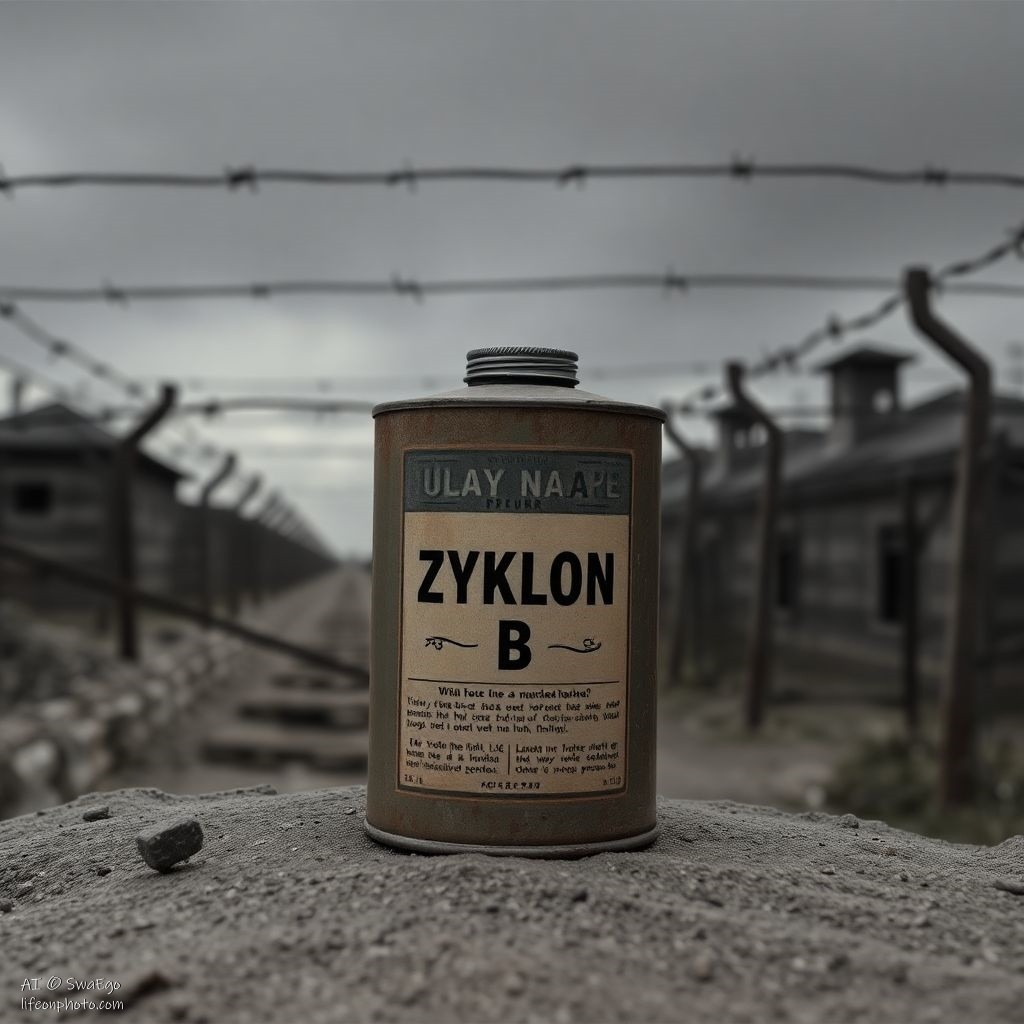
The gas used in the gas chambers—where the Nazis put millions of innocent people to death during the Holocaust—was Zyklon B, which was manufactured by Degesch, a subsidiary of I.G. Farben. In other words, the very company whose medicines people were taking to save their lives was the same one producing the gas that was melting their lungs.
The Nuremberg Trials—The Greatest Farce of Justice:
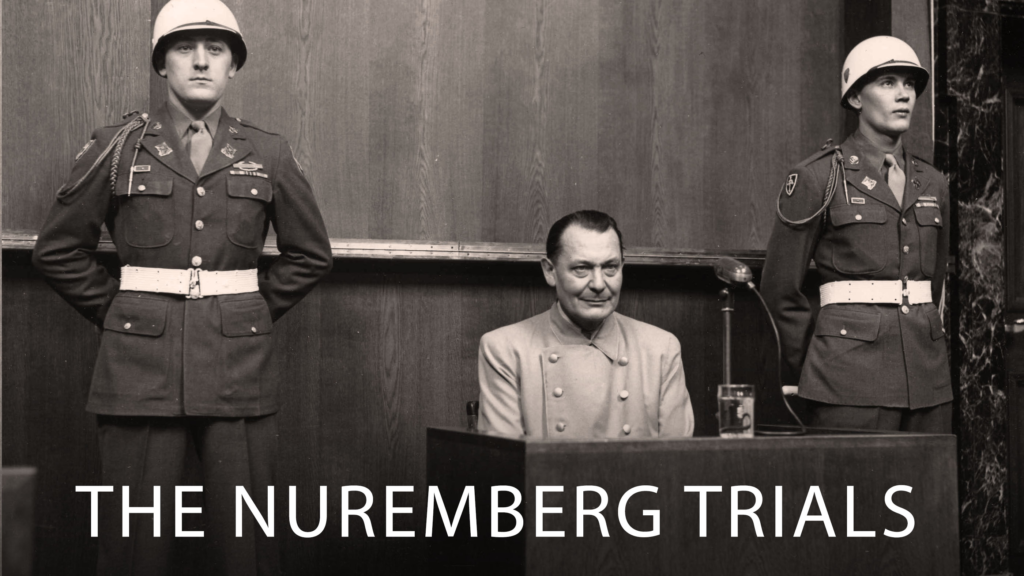
In 1947–1948, following the conclusion of World War II, the ‘I.G. Farben Trial’
(United States v. Carl Krauch et al.) was conducted in Nuremberg by an American military tribunal. Twenty-four top executives of the company faced charges of mass murder, enslavement, and war crimes.
Shocking Sentences and Releases:
Justice was made a mockery of due to the deep roots of the global syndicate. No senior executive received the death penalty. The maximum sentence imposed was a mere eight years, and by 1951–1952, almost all of the accused had been released from prison.
The Case of Fritz ter Meer:
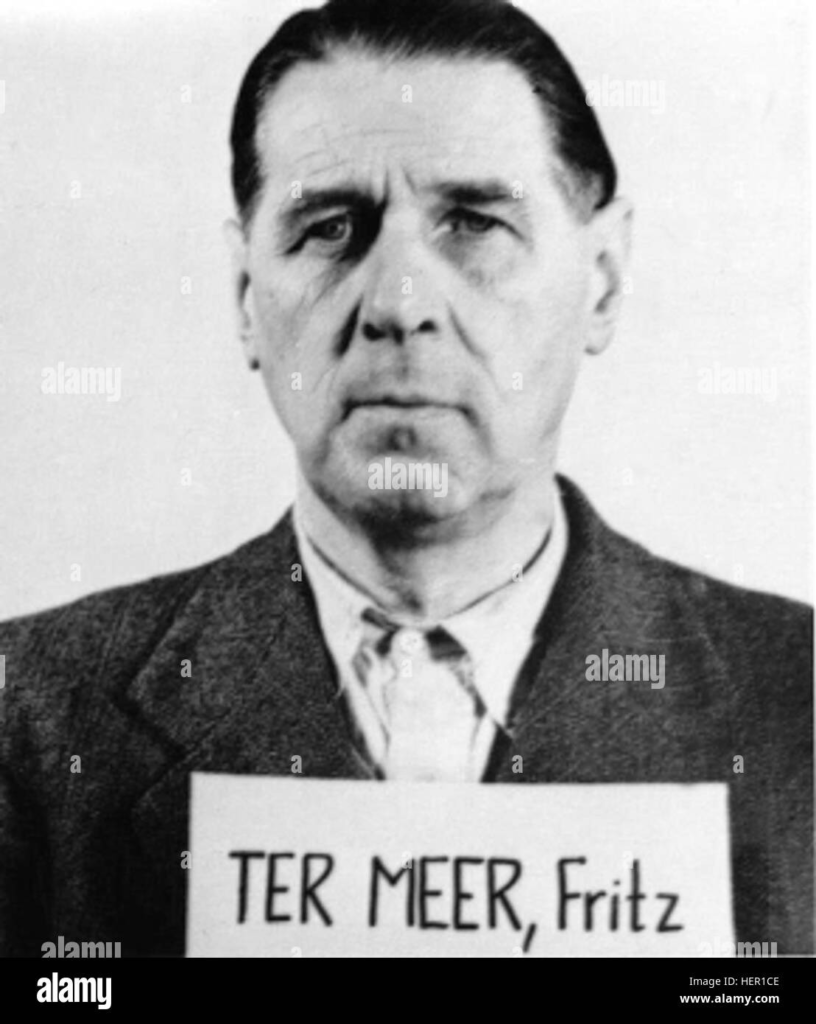
This individual was directly in charge of all the atrocities committed at the Auschwitz camp, as well as the slave labor facilities located there. The court sentenced him to seven years in prison. He was released in 1951. And observe one of the most brutal truths of history: merely five years after his release—from 1956 to 1964—Fritz ter Meer was appointed Chairman of the Supervisory Board at the company Bayer!
The Charade of Dissolution and the Legacy of I.G. Farben in 2026:
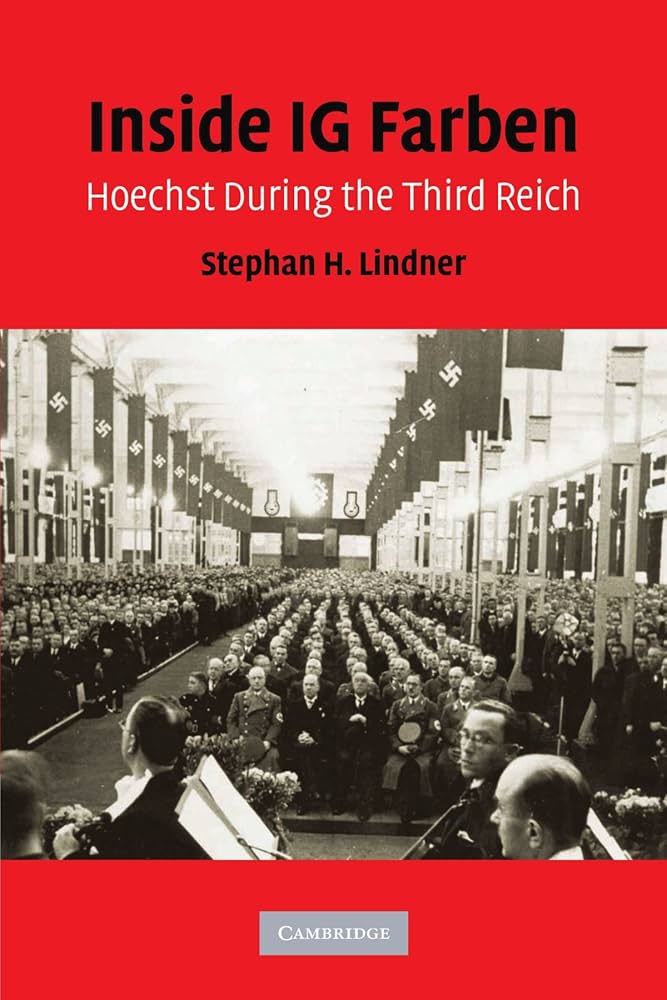
In 1952, the Allied Forces formally dismantled I.G. Farben—on paper, at least—in an effort to appease global outrage. However, this was not an end; it was merely a change of masks. By breaking up I.G. Farben, those very same original companies were simply re-established as independent entities:
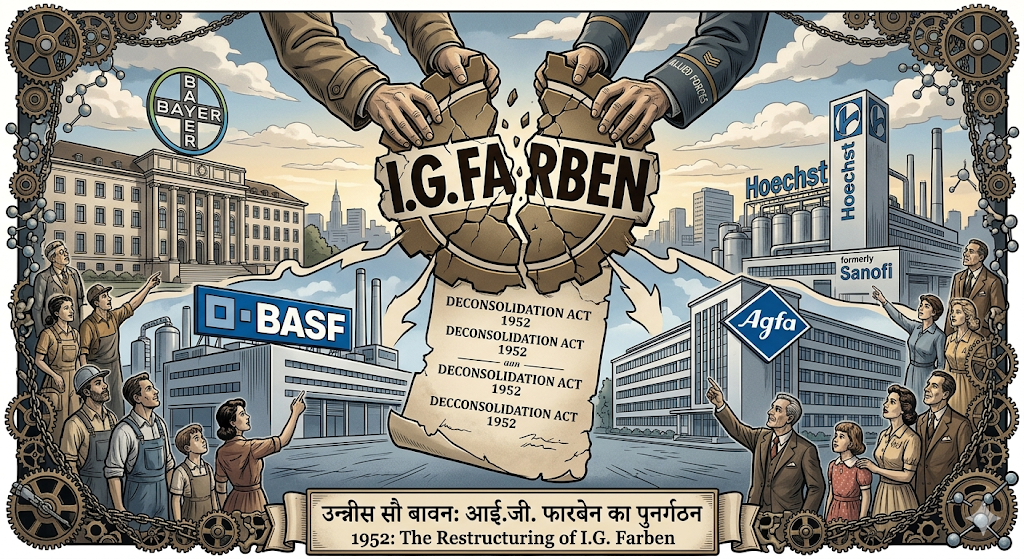
Bayer
BASF
Hoechst (which later became Aventis and is known today as Sanofi)
Agfa
Where is this syndicate today, in 2026?
Bayer:
Today, it is the world’s largest pharmaceutical and agrochemical company. In 2018, it acquired the controversial seed company Monsanto for $63 billion. Its flagship product is the pesticide ‘Roundup’ (Glyphosate), which the WHO has classified as ‘probably carcinogenic.’
BASF:
Even today, it remains the world’s largest chemical corporation in terms of chemical production.
Sanofi:
It is one of the leading companies controlling the global market for vaccines and medicines.
Names have changed, brands have changed, yet the business model remains exactly the same today, in 2026—holding the patent for medicines in one hand, and controlling the very chemicals that sicken the body and nature in the other!
Part 3: From the Flexner Report to I.G. Farben—Understanding the Chronology
If you wish to comprehend this entire game of global control, you must examine this documented historical chronology spanning the years 1910 to 1925:
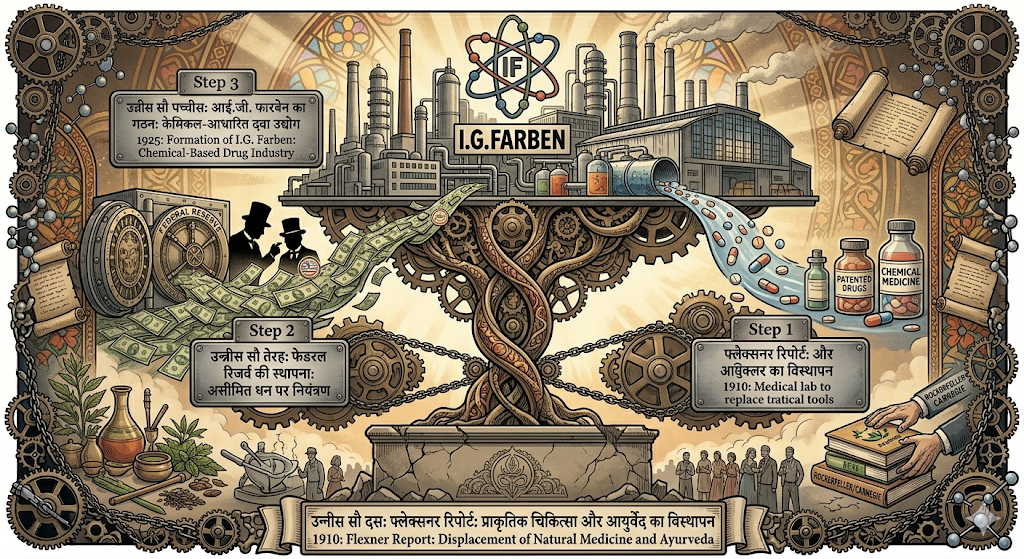
Step 1: The Flexner Report (1910) -> Rockefeller and Carnegie marginalized naturopathy, Ayurveda, and homeopathy by labeling them “unscientific.” They mandated the transformation of medicine into a “chemical-based” discipline.
Step 2: Establishment of the Federal Reserve (1913) -> The Syndicate established absolute control over the printing of currency notes and the flow of unlimited capital.
Step 3: Formation of I.G. Farben (1925) -> The most colossal and dangerous corporate manifestation of that very patent-based chemical and pharmaceutical industry emerged.
Conclusion —
The Greatest Lesson for Humanity
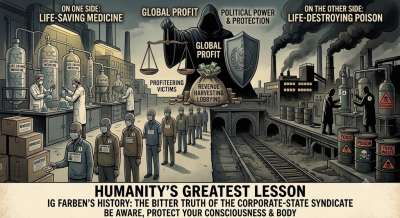
The history of I.G. Farben screams one lesson at us: when a corporation begins manufacturing both life-saving medicines and life-destroying poisons simultaneously—and secures the patronage of political power—the ordinary citizen is reduced to nothing more than a mere ‘data point’ and a ‘customer.’
Today, in 2026, as you unthinkingly rely on chemical interventions for every ailment, remember that the history of this entire syndicate is not one of service, but rather one of ‘harvesting’ and global profiteering. Be vigilant; recognize your rights; and safeguard your consciousness and your body from becoming a laboratory for this corporate syndicate.
India First | Truth. Freedom. Self-Respect.
Core Historical References:
1. Joseph Borkin: The Crime and Punishment of IG Farben, Free Press (1978). (The most authoritative reference text)
2. Nuremberg Military Tribunal: United States of America v. Carl Krauch et al. (Trials of War Criminals, Records of Vols. VII & VIII).
3. US Senate Hearings: Hearings before the Committee on Patents (Standard Oil-IG Farben Cartel), 1942.
4. Diarmuid Jeffreys: Hell’s Cartel: IG Farben and the Making of Hitler’s War Machine, Bloomsbury (2008).
5. Peter Hayes: Industry and Ideology: IG Farben in the Nazi Era, Cambridge University Press (1987).
6. WHO International Agency for Research on Cancer (IARC): Glyphosate/Roundup Carcinogenicity Report.
INDIAFIRST.ONLINE