INDIA FIRST . SATYA DARSHAN . ASHUTOSH
HIGHLIGHTS FIRST:
Hundreds of Thousands of Followers in 3 Days… Democracy or Algorithm?
“The Democracy of Algorithms”—How Tech Companies Are Controlling Elections, Narratives, and Democratic Consciousness
The Vote Is Yours, But Who Holds the Control?
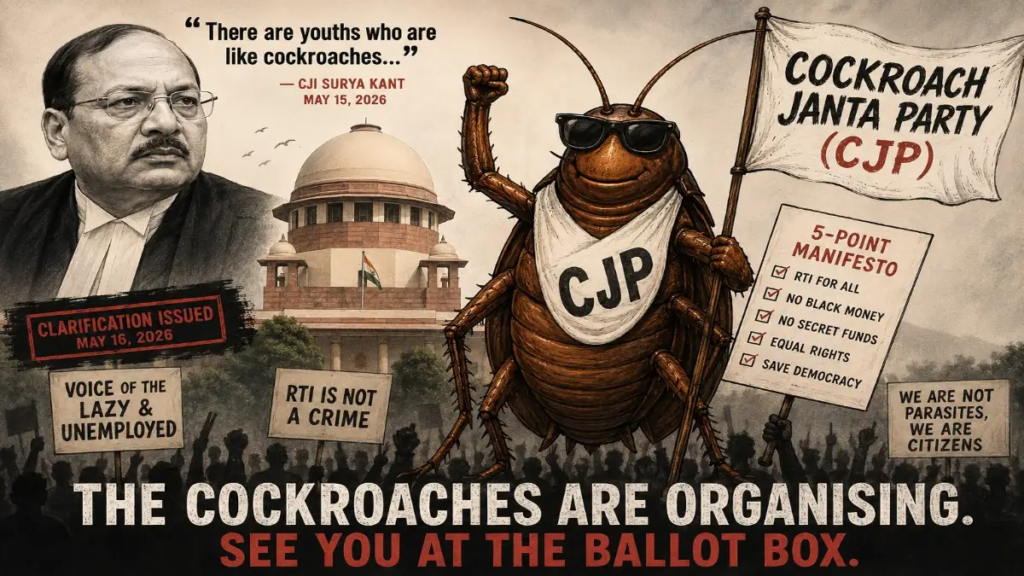
How the CJI’s remarks were instantly spun into an “anti-establishment” narrative on social media.
Editorial and Legal Disclaimer
This article is based on publicly available research, international reports, technology policy documents, studies on digital platform algorithms, and analyses of the impact of tech companies on democratic processes. Its objective is to raise citizens’ awareness regarding digital media and algorithmic influences. This article is not intended to defame any specific institution, company, or constitutional office.
Introduction — Democracy Has Changed… But the Public Is Unaware?!
In the 20th century, elections were won on the streets, in public gatherings, and through newspapers.
In the 21st century, elections began to be influenced by television and data.
But by 2026, the world has entered a new era—
“Algorithmic Democracy”

Where:
The public thinks it is thinking independently,
But its emotions are being pre-designed;
Its anger is amplified,
Its fear is monetized,
And its vote is influenced.
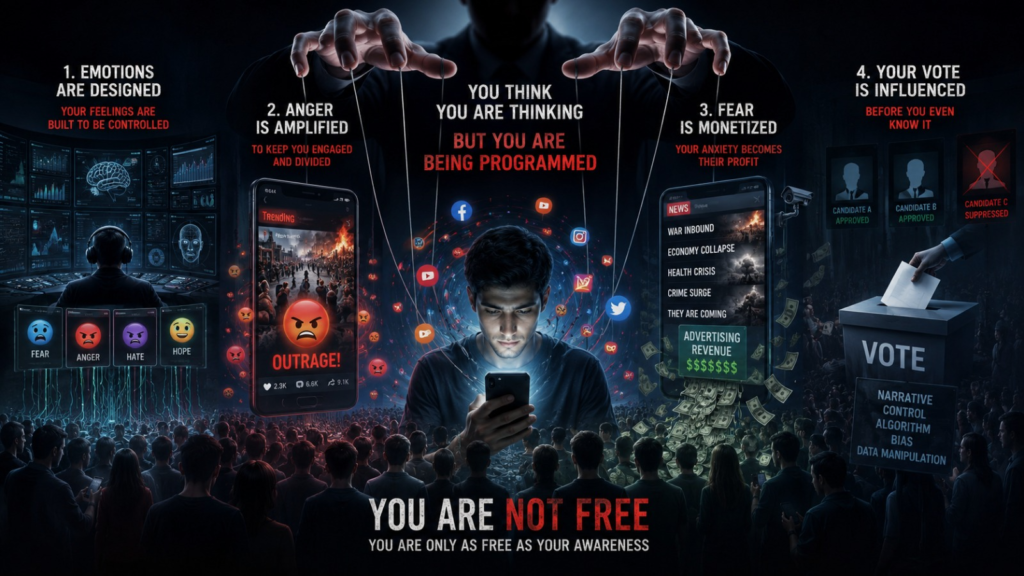
Everything through his mobile screen.
Part 1 — Tech Companies Are No Longer Just Platforms
There was a time when Facebook, Google, Twitter (now X), YouTube, and TikTok referred to themselves as “neutral platforms.”

But now, this claim is facing challenges across the globe.
Today:
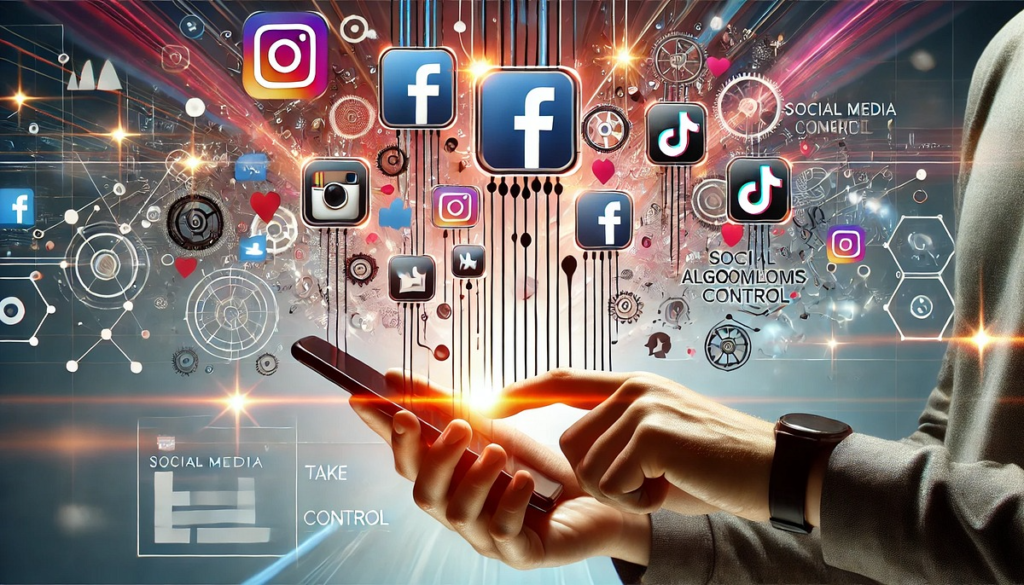
Meta determines which content gets the most visibility.
Google determines which narrative rises to the top of search results.
YouTube determines which videos garner millions of views.
X determines what trends.
TikTok determines which emotional narratives go viral.
In other words—
“Whoever controls the algorithm… controls attention.”
And in modern politics—
“Whoever controls attention… influences democracy.”
Part 2 — Cambridge Analytica: The World’s First Warning
In 2018, the entire world realized for the first time that data and algorithms could influence elections.
Cambridge Analytica Scandal
Cambridge Analytica, a British political consulting firm, obtained data from Facebook users and:
conducted their psychological profiling;
extracted their personality traits;
and subsequently sent personalized political messages to each individual.
This came to be known as—
“Micro-targeted political manipulation.”
Involved in this scandal was:
The 2016 U.S. election.

Brexit Referendum
Political campaigns in several countries
were found to be linked.
A report by the UK Information Commissioner’s Office (ICO) confirmed that data misuse had occurred.

Part 3 — How Does the Algorithm Work?
Understanding this is absolutely essential.
Social media platforms are not your friends.
Their goal is:
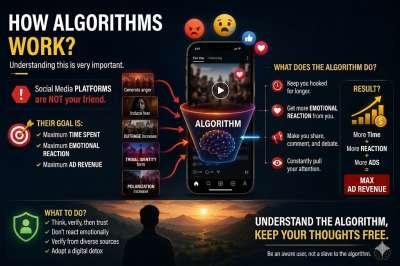
Your maximum time
Your maximum emotional reaction
And maximum ad revenue
Therefore, algorithms prioritize pushing the very content that:
Incites anger
Instills fear
Amplifies outrage
Reinforces tribal identity
Heightens polarization
Studies conducted by the Stanford Internet Observatory and the MIT Media Lab have found that:


“False and emotionally charged content spreads significantly faster than factual information.”
In other words, lies and anger spread faster than the truth.
Part 4 — The “Cockroach Moment” and Algorithmic Amplification
A Word That Set the Entire Nation Ablaze
May 15, 2026. A routine hearing was underway at the Supreme Court of India, just like any other day. The issue at hand was the delay in the designation of Senior Advocates at the Delhi High Court. The courtroom was quiet, but then came a remark from the Bench—one that, over the next 48 hours, shook the entire nation’s digital landscape.
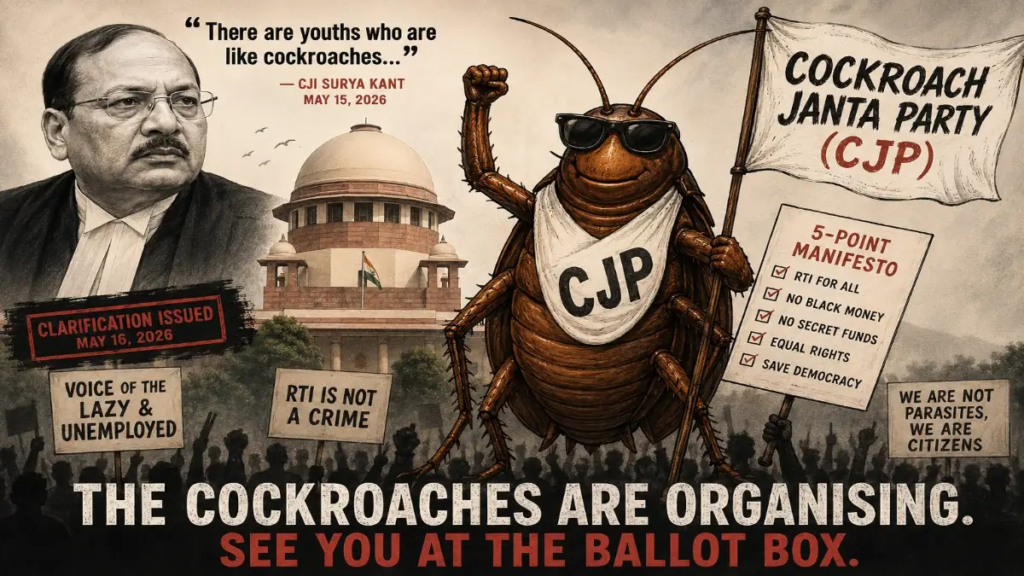
A word emerged from the courtroom—”Cockroach.”
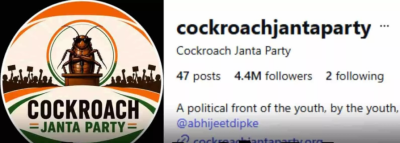
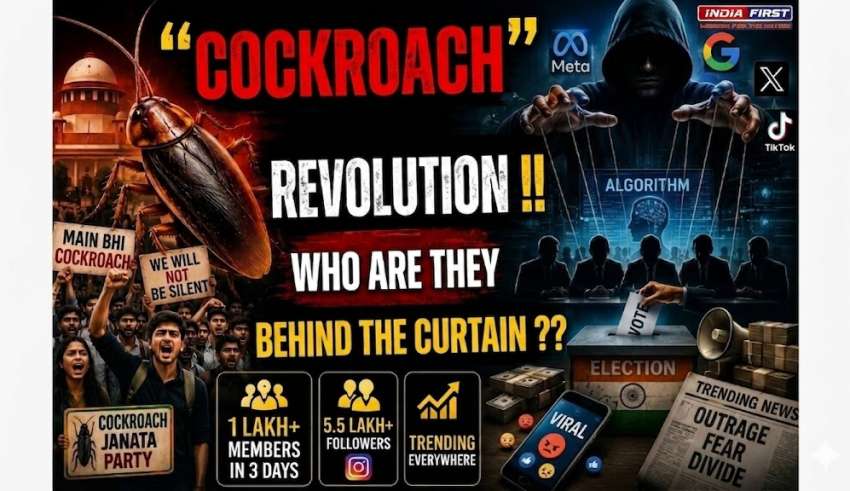
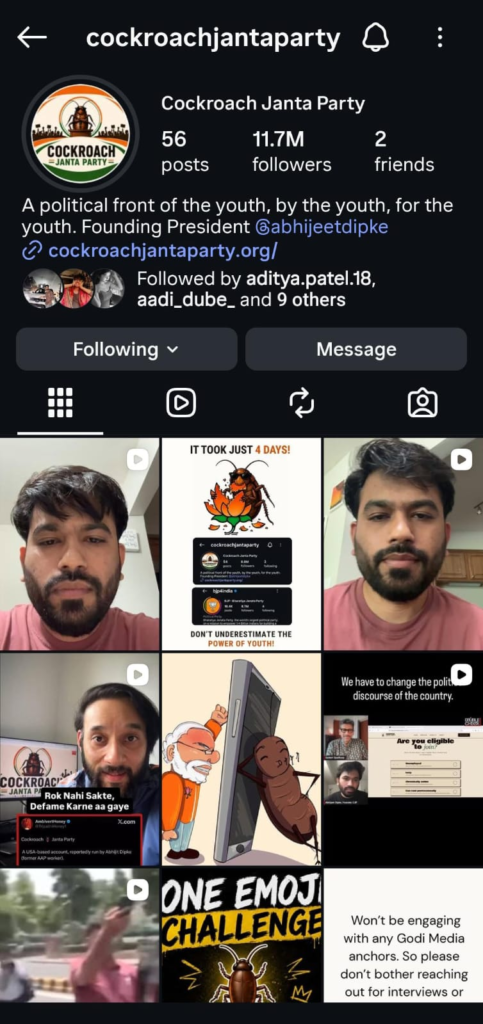
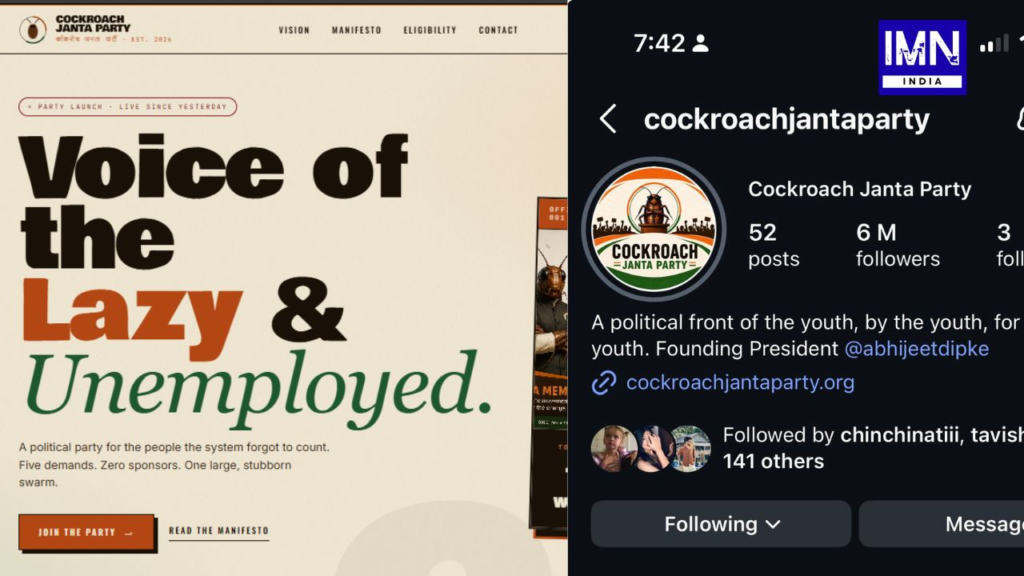
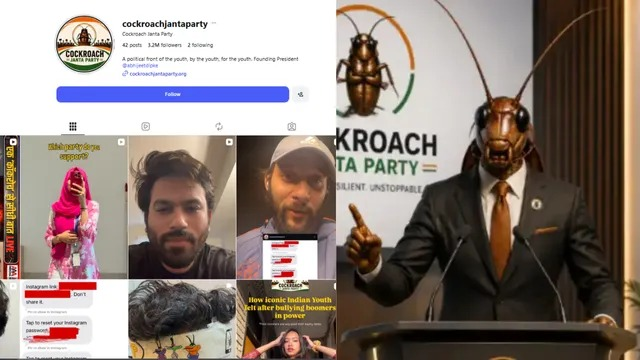
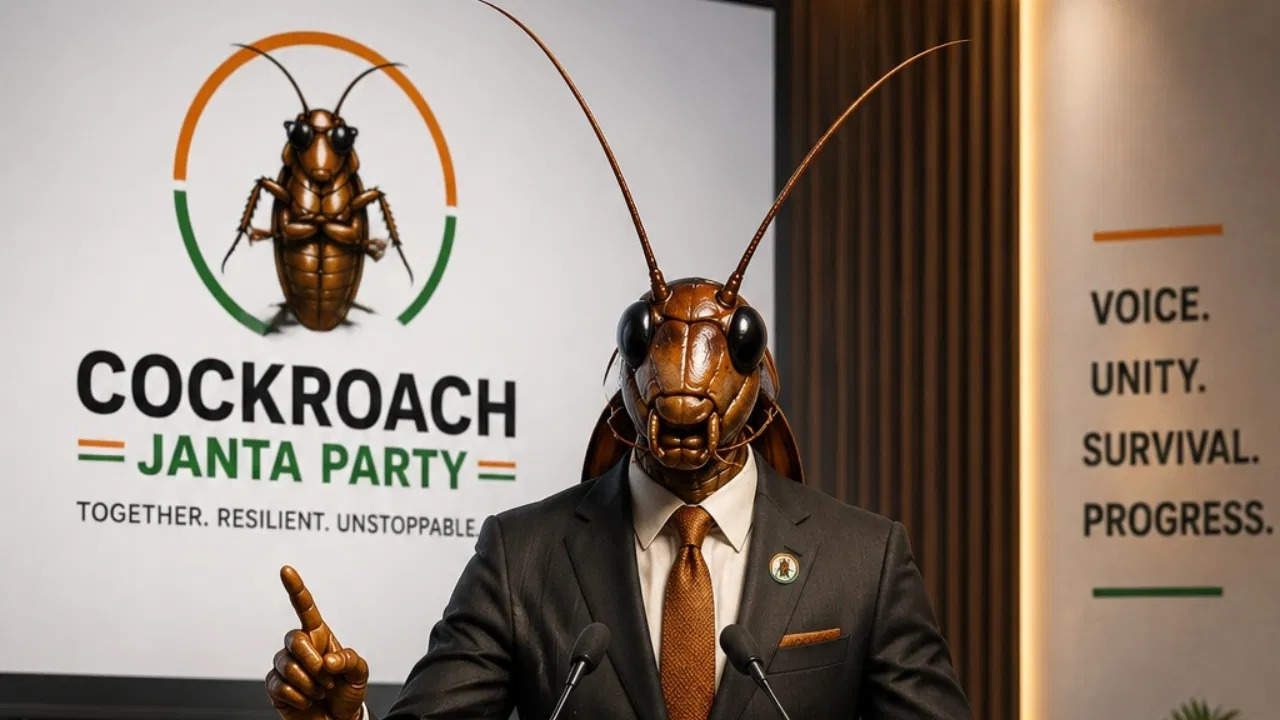
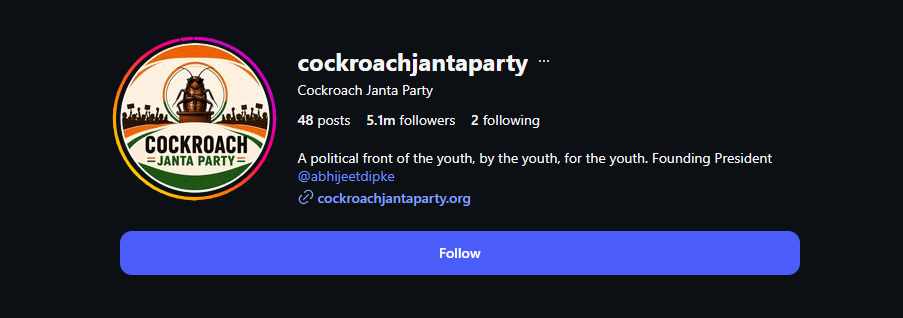
In the world of the internet, a single word ignited a spark so intense that, within a mere three days, a parallel digital political party named the ‘Cockroach Janata Party’ (CJP) emerged on social media. A party anthem was officially launched, a website was created, and—in the blink of an eye—the party garnered 40,000 followers on X (formerly Twitter) and over 550,000 on Instagram. More than 100,000 young people signed up for its online membership. “Main Bhi Cockroach” (I, too, am a cockroach) went on to become the country’s biggest viral slogan.
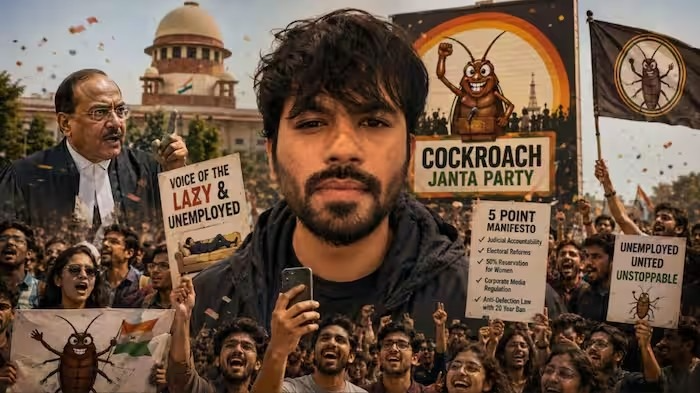
However, ‘Public First’s’ investigative lens is compelled to look beyond this viral haze to uncover the real game hidden behind it. Is this truly a ‘digital revolution’ born from the conscience of Indian youth, or is it merely a new, mutated digital iteration of that same old global labyrinth of ‘Problem-Response-Solution’? Let us clarify the full picture with the facts.
Part 5: What Exactly Did the CJI Say in Court? The Full Truth and Context
It is the tradition of ‘Public First’ to examine primary documents before falling prey to any narrative. Let us begin by fact-checking the court proceedings of May 15th and the day that followed.
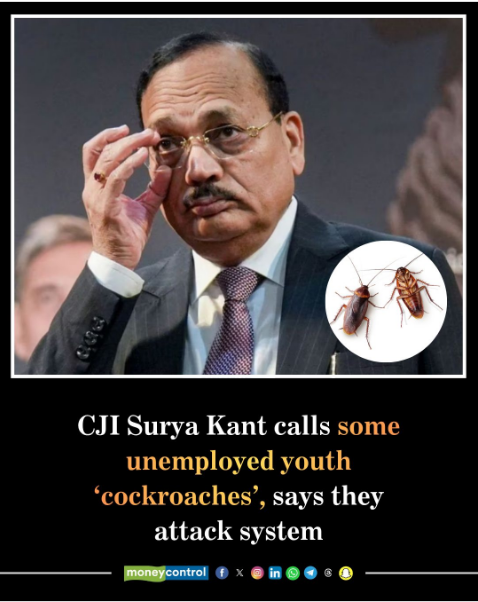
That Remark (In Context):
On May 15, 2026, during the hearing of the Senior Advocates’ matter, the Bench made scathing remarks regarding those who enter the legal profession through fraudulent or dubious means and subsequently attack the system like vermin. The Court observed:
“There are youngsters like cockroaches, who don’t get any employment or have any place in profession. Some of them become media, some of them become social media, RTI activists and other activists and they start attacking everyone.”
Clarification Issued the Very Next Day (May 16, 2026):
When outrage erupted on social media over this remark, the court immediately clarified the situation, stating that its statement had been completely ‘misquoted’ and presented ‘out of context’ by the media. The court clarified:
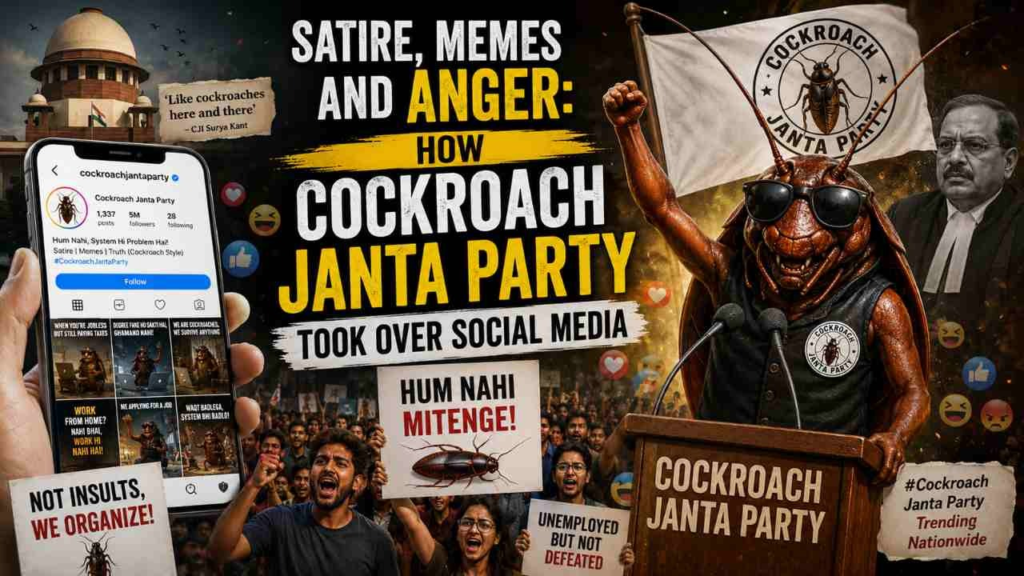
“We specifically criticized those who have gained entry into a prestigious profession like the Bar on the strength of fake and bogus degrees. Such individuals have infiltrated the legal fraternity, media, social media, and other noble professions, and they are akin to ‘parasites’.” In the same vein, he addressed the nation’s honest youth as the “Pillars of a Developed India.”
Public First’s Crucial Question:
Even if the Court’s intent was to crack down on holders of fake degrees, a valid constitutional question inevitably arises here. Should not the language employed by the country’s apex judicial institution—the guardian of the Constitution and the fundamental rights of its citizens—be so precise, measured, and free from ambiguity that it leaves no room for any syndicate to twist its meaning or sow confusion among the youth? This is a democratic and legitimate question—one that every citizen has the right to ask.
The explosion of the “Main Bhi Cockroach” movement following the CJI’s remarks was not merely a spontaneous outburst of anger.

It was an algorithmically perfect phenomenon.
Why?
Because it possessed three elements:
A sense of grievance
Satire
Collective identity
For the algorithm, this constituted “high-engagement content.”
As soon as people began to:
React
Share
Create memes
The platforms pushed it even further.
In other words—
“The algorithm accelerated the anger.”
Part 5 — Fake Followers and Artificial Consensus
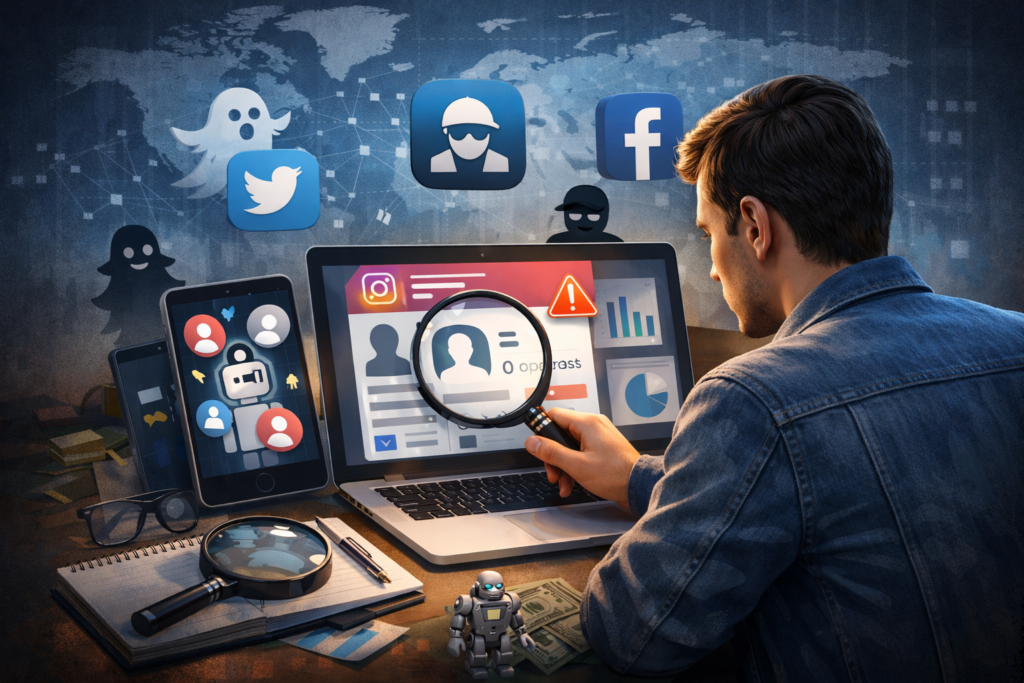
Today, popularity on social media is not always organic.
Studies by HypeAuditor and the Stanford Internet Observatory reveal that:
Large political accounts may harbor up to 20–40% fake followers.
Bot networks can artificially generate trends.
Automated engagement can manipulate public perception.
What is the psychological impact of this?
When a young person sees:
“500,000 people are showing their support,”
“The entire country thinks this way,”
The “Bandwagon Effect”
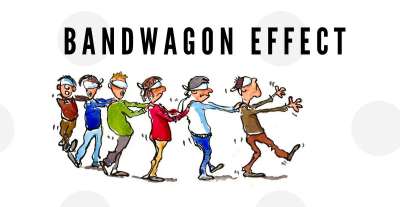
is triggered in their mind.
They think—
“If everyone is saying this, then perhaps it must be true.”
This is algorithmic herd psychology.
‘Cockroach Janata Party’ — who is behind this digital wave?
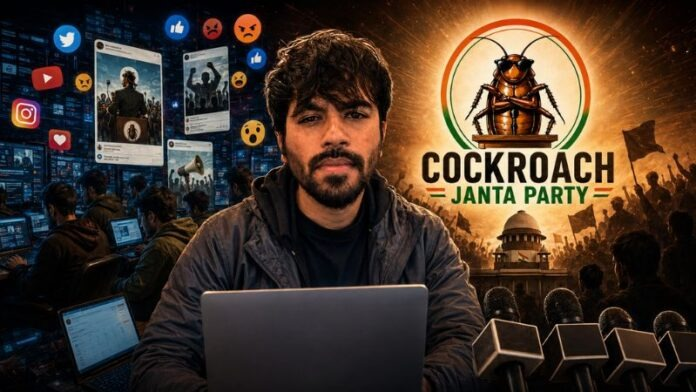
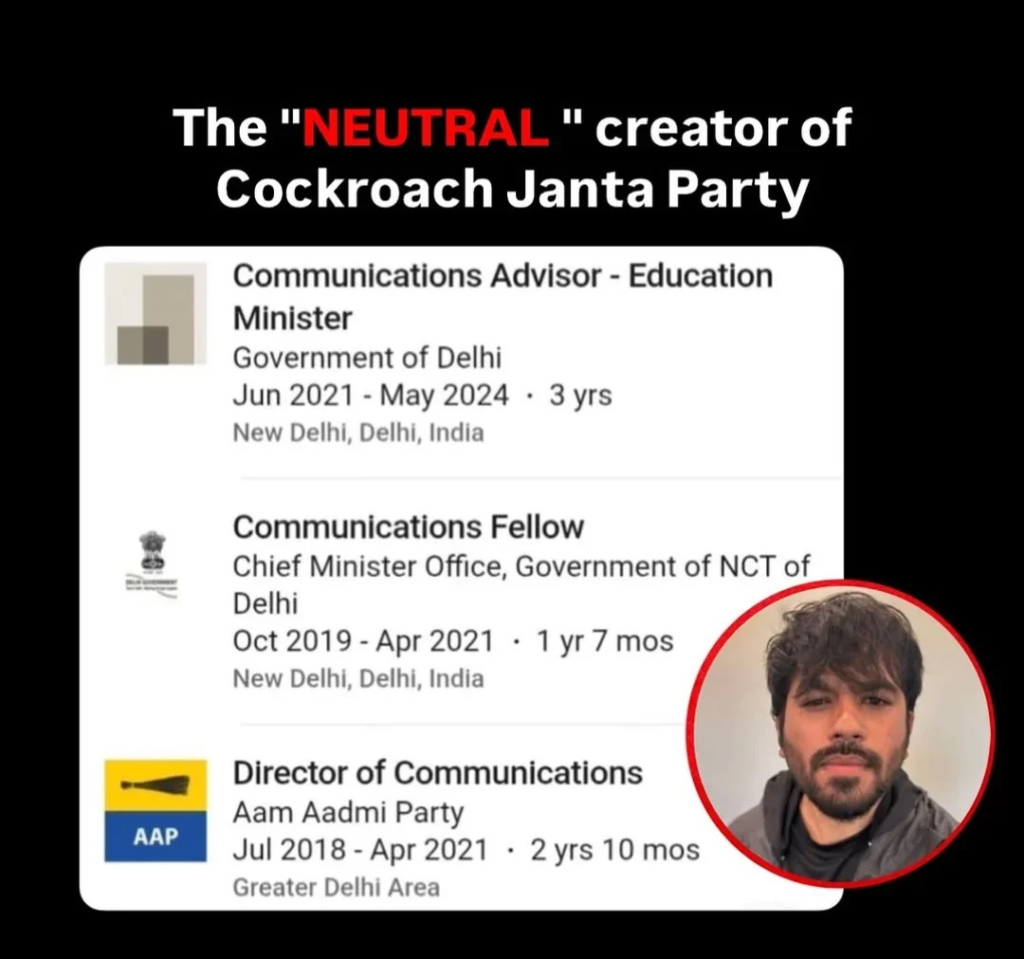
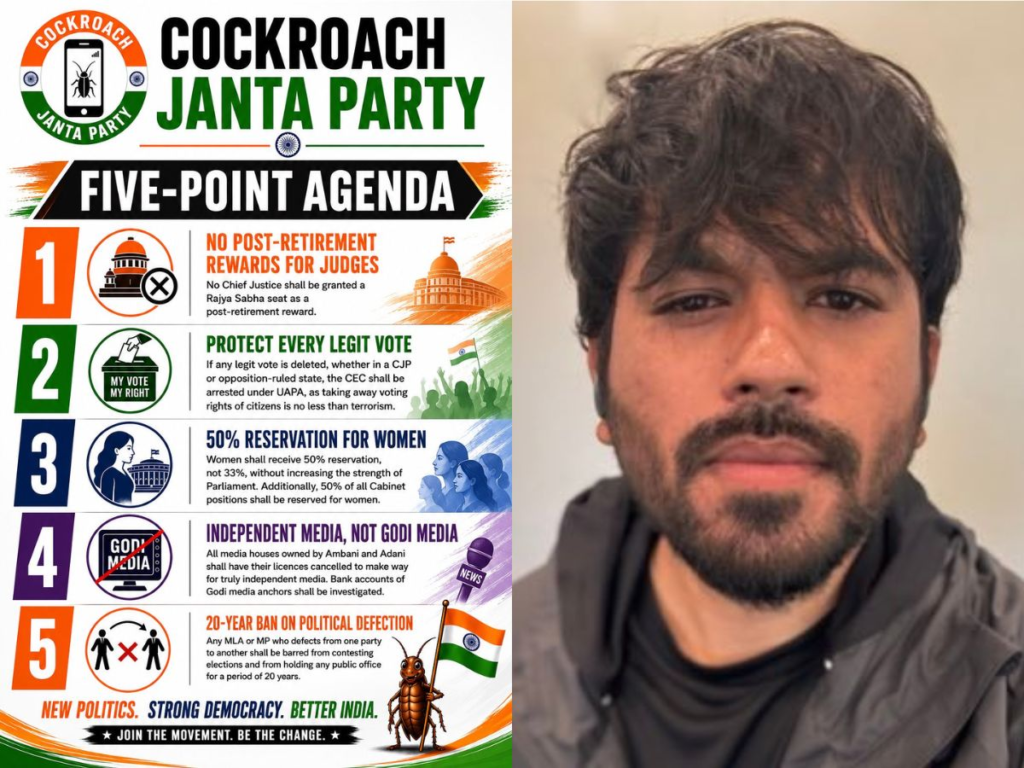
Founder: Immediately following the CJI’s remarks, 30-year-old Abhijeet Dipke announced the formation of the ‘Cockroach Janata Party’ (CJP). Dipke, who is currently pursuing studies in Public Relations (PR) at Boston University, served as a social media volunteer for the Aam Aadmi Party (AAP) between 2020 and 2023. In other words, a mind with a deep understanding of PR and social media algorithms is at work behind this movement.
Party Manifesto:
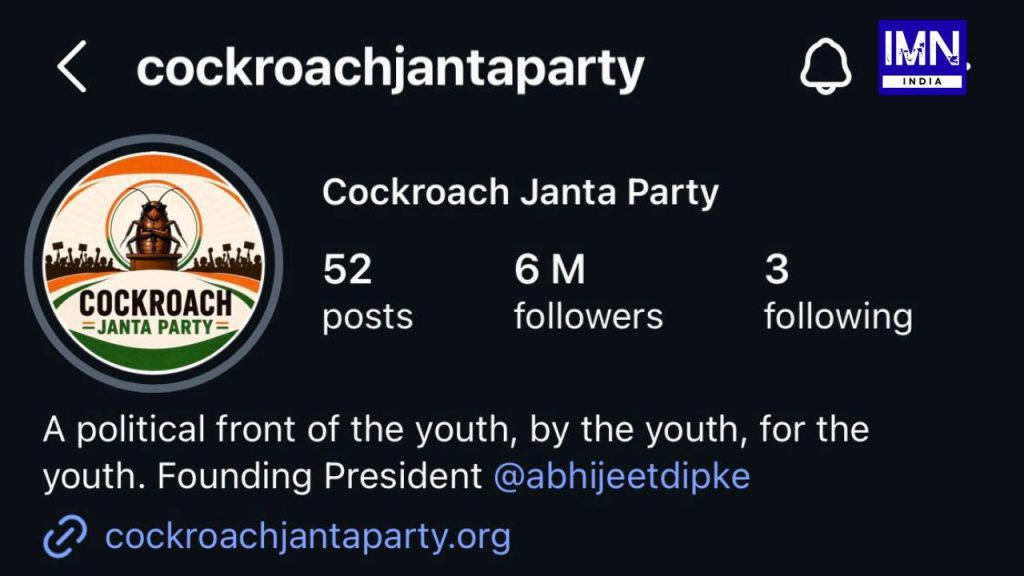
CJP very cleverly defined itself as “a political front of the youth, by the youth, and for the youth—which is secular, socialist, democratic, and lazy.”
Speaking to the international media agency ‘Al Jazeera,’ Abhijeet Dipke himself stated:
“Those in power view citizens as cockroaches and parasites. They ought to know that cockroaches thrive only in decaying environments—and the current system has become exactly that. Once this narrative entered the public sphere, it did not take long for it to become politicized. To capitalize on this anger, an organized satirical front was established.”
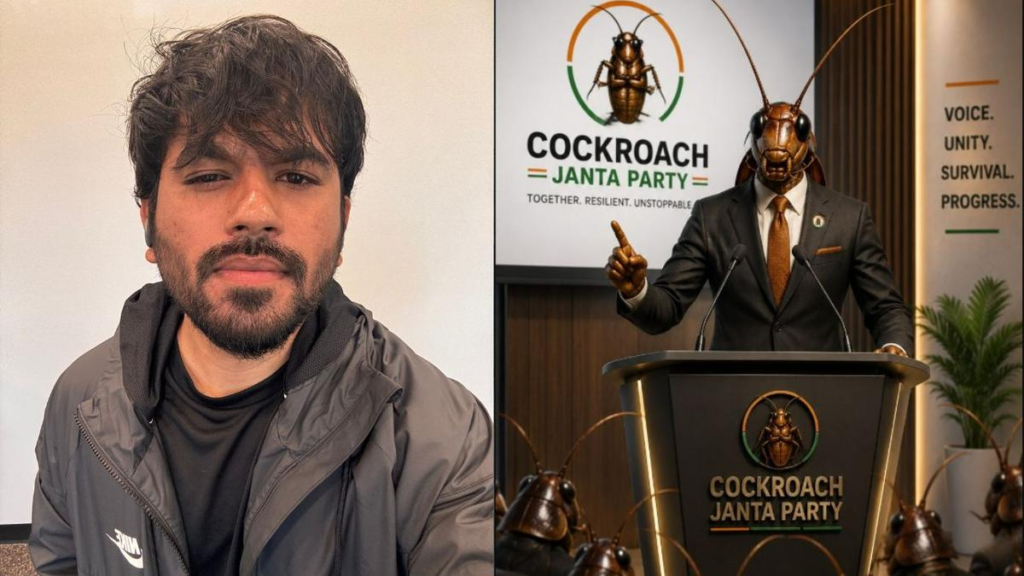
However, thanks to his PR acumen, he also acknowledged— “I am under no illusion; I know that this internet-driven movement could fizzle out within a matter of days.”
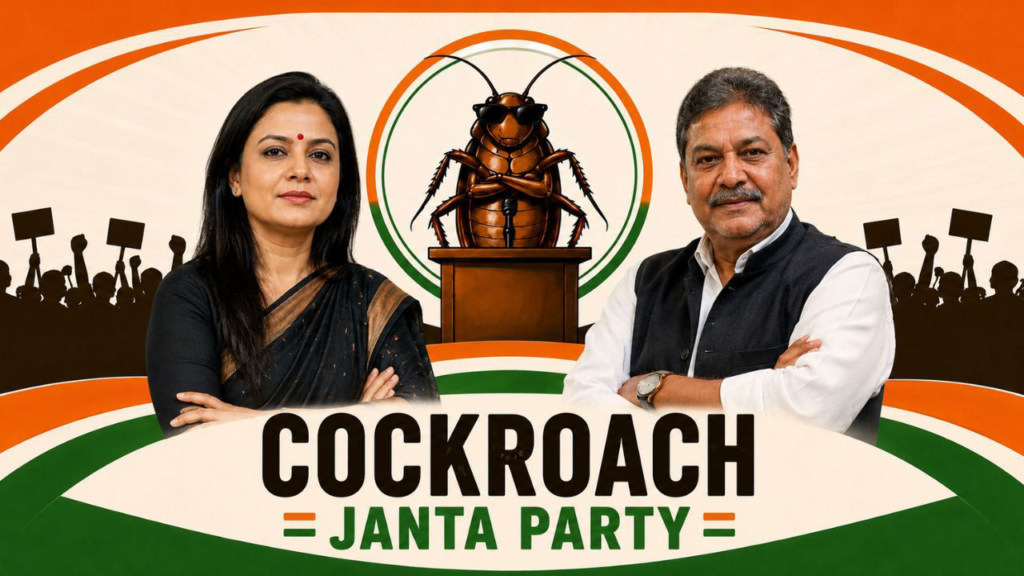
Established political players, too, jumped into the fray to fuel this digital wave. Prominent politicians like the Trinamool Congress’s (TMC) Mahua Moitra and Kirti Azad immediately signed up for online membership of this satirical front. The question arises: why are established leaders associating themselves with a humorous online page? Because they know that, beneath this humor, lies a massive, genuine, and simmering anger among Indian youth.
But it is necessary to ask a question—
Is this legitimate criticism of the judiciary?
Or is it yet another step to undermine the credibility of the judiciary?
It is essential to distinguish between the two.
It is well-documented in Hungary and Poland that the ruling power deliberately framed the judiciary as “elites” and “anti-people.” Gradually, judicial independence was eroded.
In India, the Opposition raised questions regarding the Election Commission.
Now, they are questioning the judiciary.
This may well be a matter of legitimate accountability.
However, it also constitutes a pattern that warrants close scrutiny.
Part 6 — The Greatest Threat to Democracy: Emotional Engineering

In the past, politics was driven by ideology.
Now, politics is increasingly driven by emotion engineering.
Today, platforms know:
Who fears whom
Who hates whom
Who will react to which issue
Which slogan will trigger whom
AI models can now predict voter behavior.
This is not merely theory.
Investigations have already been conducted worldwide into the recommendation systems of Meta, Google, and TikTok.
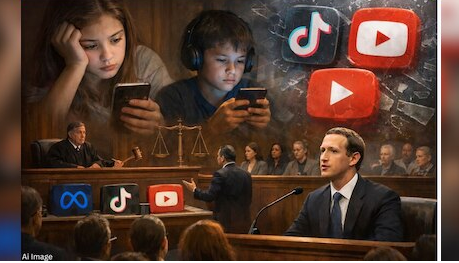
Part 7 — Deepfakes: Democracy’s Next War
By 2026, AI-generated deepfakes have become so realistic that:
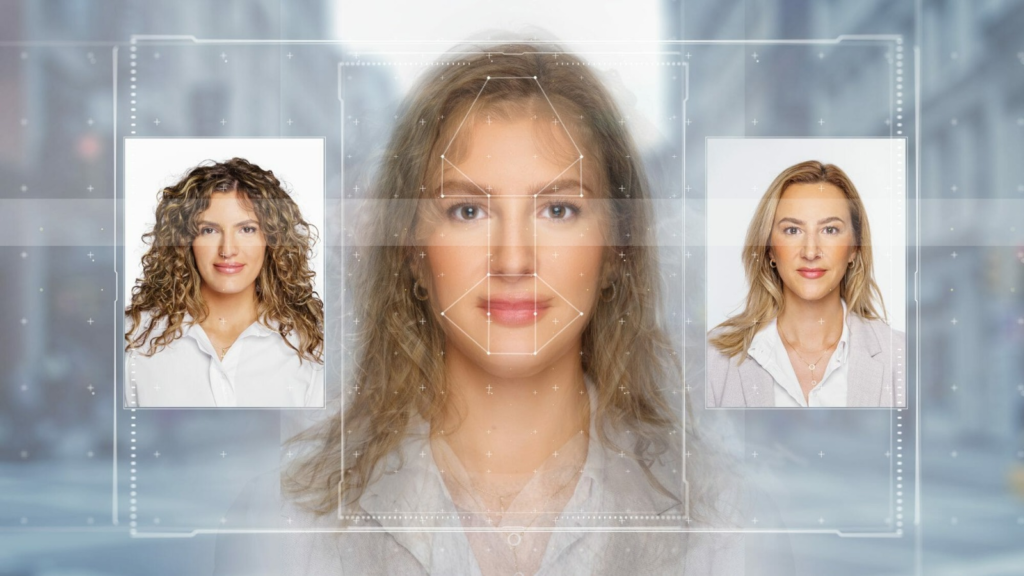
A leader can be portrayed as saying anything;
Fake riots can be instigated;
Communal narratives can be disseminated.
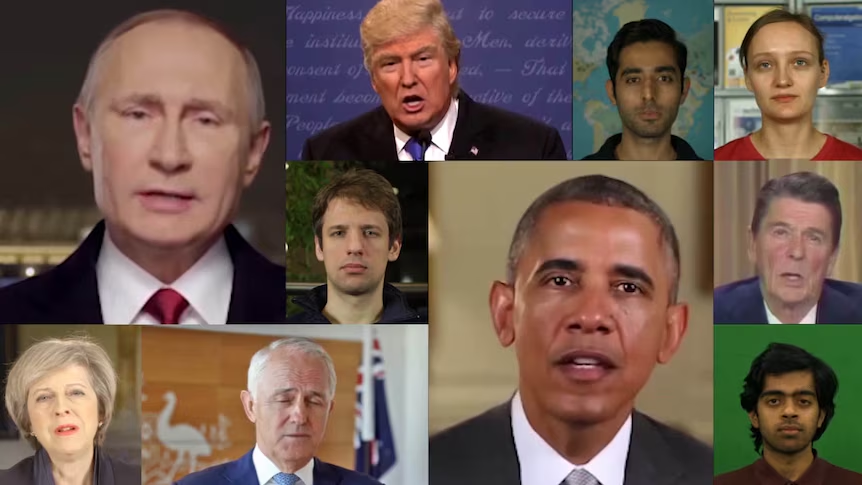
The World Economic Forum has included misinformation and AI manipulation among the top global risks.
If voting becomes increasingly digital—
then in future elections:
AI narratives
fake videos
micro-targeted propaganda
algorithmic suppression
could all become decisive factors.

Part 8 — Have Tech Companies Become Bigger Than Democracy?
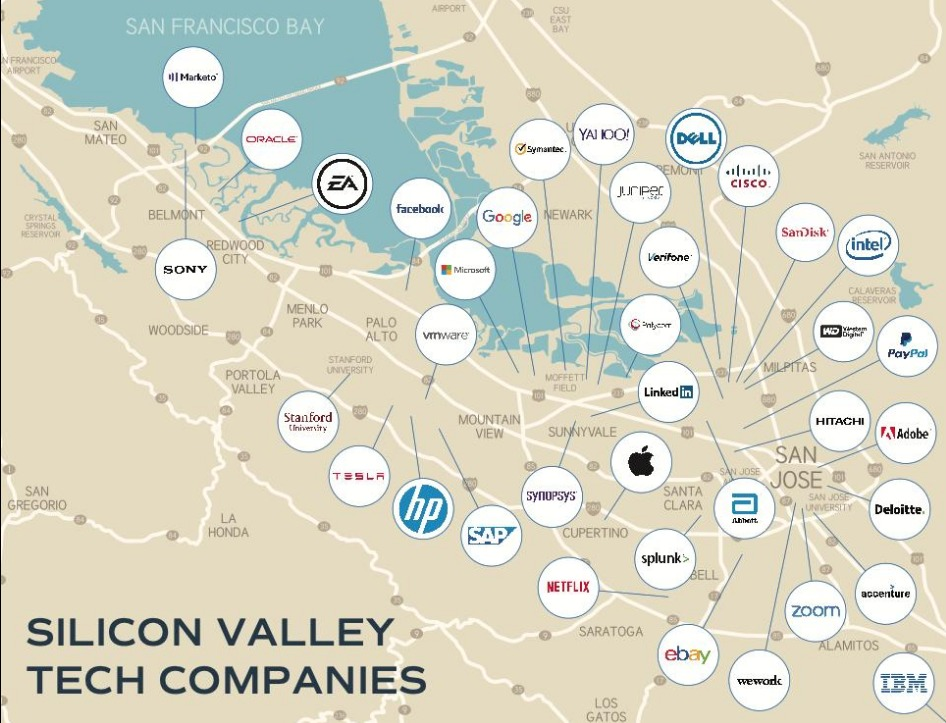
In 2026, Silicon Valley is no longer a passive platform. Meta, Alphabet, X, and ByteDance are actively shaping the electoral landscape through algorithms.

Today, the market value of some tech companies exceeds the GDP of many countries.
Companies such as Meta, Alphabet, Amazon, Microsoft, ByteDance, and X:

They control communication.
They shape public discourse.
They influence political narratives.
And most importantly—
By raising the demand for online voting in the future:
Whoever controls the platform controls the votes.
Deepfakes can be used to defame or promote anyone.
Micro-targeting allows for a distinct message for every single voter.
This is a documented concern—not mere theory.
The EU addressed this very threat in the Digital Services Act of 2023.
They are not held accountable to the same extent as elected governments are.
In other words:
The public does not vote for them,
Yet they influence the public’s thinking.
This is the greatest paradox of modern democracy.
What does history suggest?
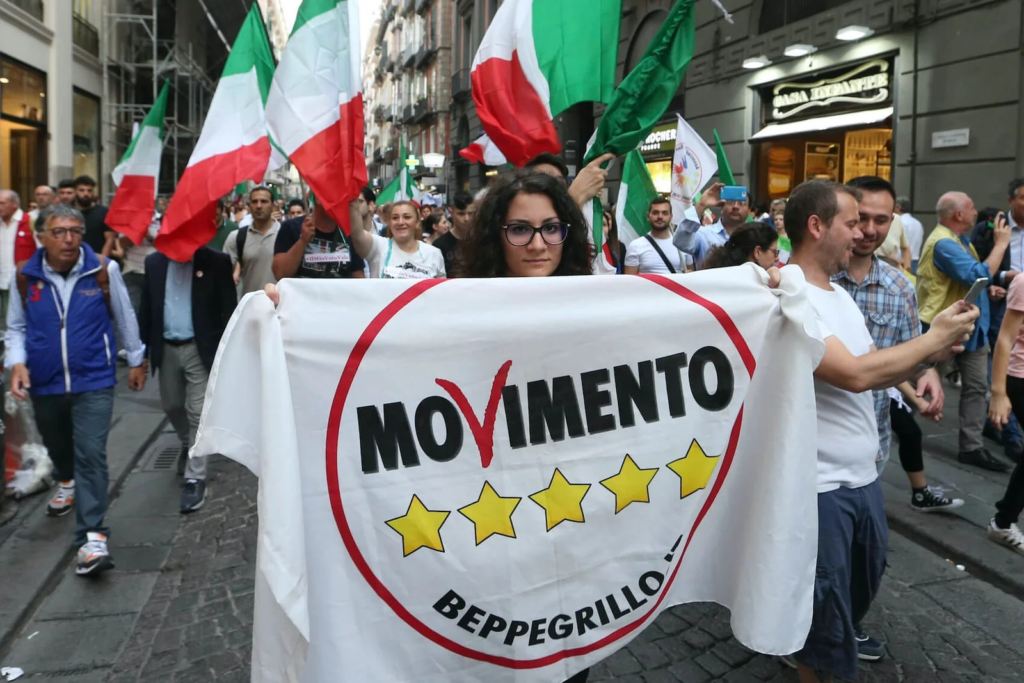
Italy—The Five Star Movement:
Born on social media. Rose to power in the government. Yet, it failed to deliver stable governance.
Nepal:
Social media movements defeated the established parties. However, Nepal remains mired in political instability.
The Lesson:
It is easy to dislodge those in power using social media. But social media does not create good governance.
Part 9 — Why is India the most vulnerable?
….
India is the world’s largest democracy.
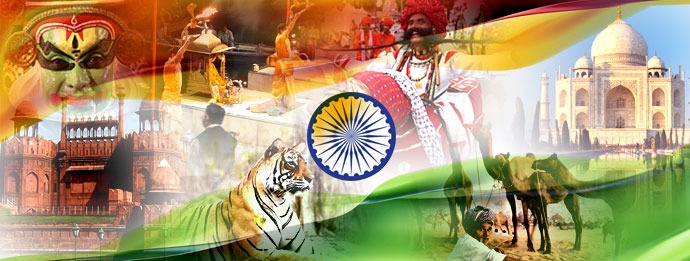
But at the same time:
The youngest population,
The largest market for affordable internet,
And the highest number of social media users—
All reside in India.
In other words, India has become the ideal battlefield for algorithmic experimentation.
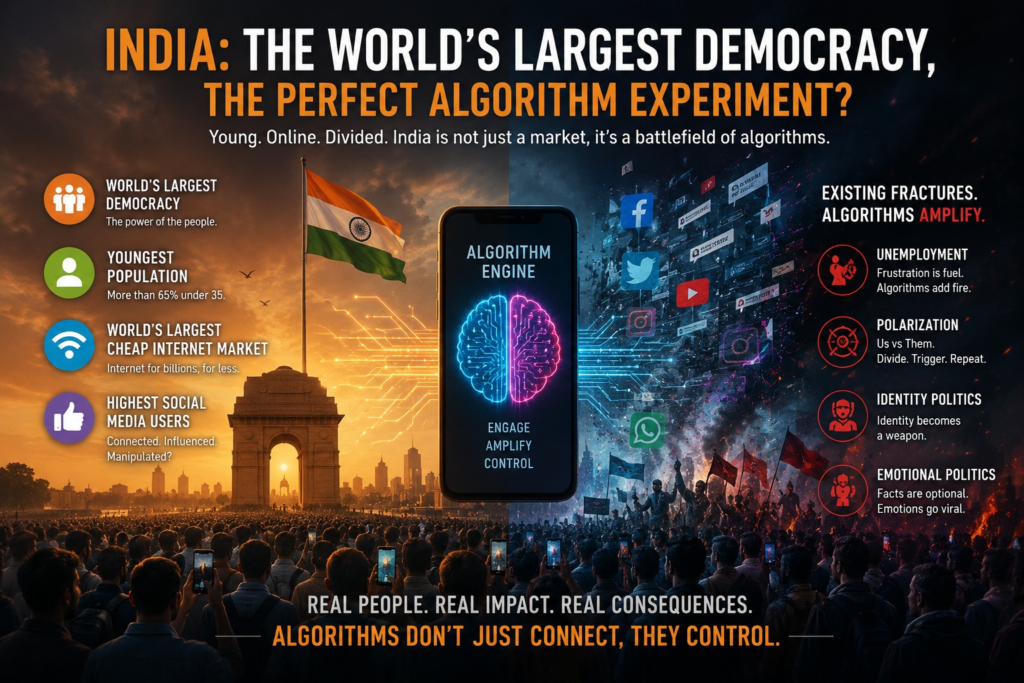
In India:
Unemployment
Polarization
Identity politics
Emotional politics
—all already exist.
Algorithms amplify these very fractures.
Part 10 — What is the Solution?
Digital Literacy

Not everything viral is true.
Algorithm Awareness
What is trending is not necessarily organic.
Offline Communities
Ground reality is more important than social media.
Institutional Accountability
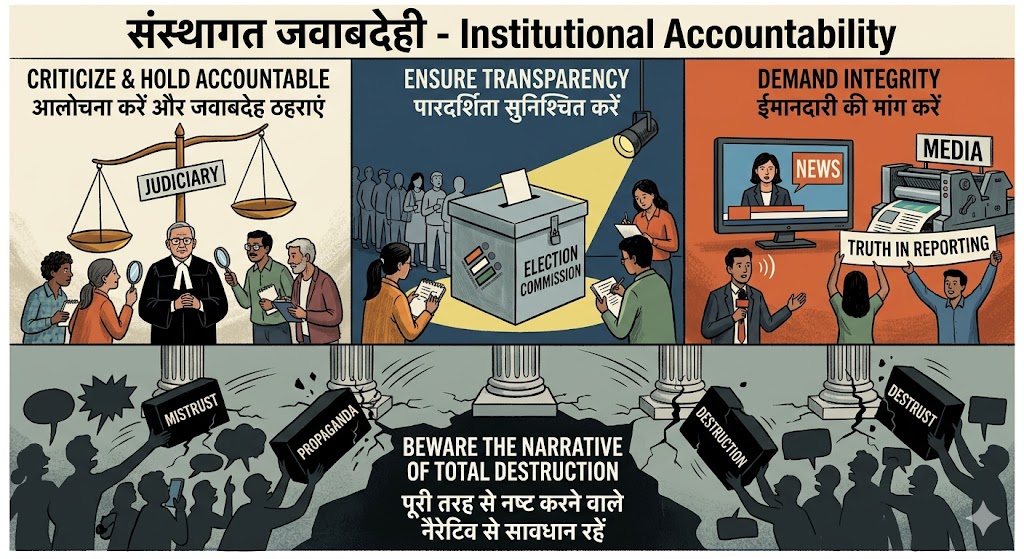
The Judiciary, the Election Commission, and the Media—all should be subject to criticism. However, a narrative aimed at completely destroying them could be dangerous.
Data Privacy Laws
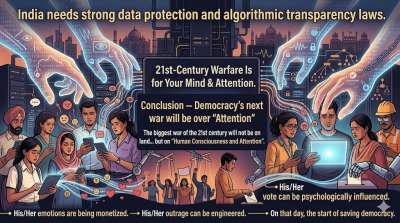
India needs strong data protection and algorithm transparency laws
Conclusion — Democracy’s Next War Will Be Fought Over “Attention”
The greatest war of the 21st century will not be fought on the battlefield…
It will be waged over “human consciousness and attention.”
The day the public realizes that:
Their emotions are being monetized;
Their outrage can be engineered;
Their vote can be psychologically influenced;
—that very day marks the beginning of the effort to save democracy.
For—
“If the public outsources its consciousness… then democracy will remain nothing more than an illusion.”
Ask questions:
What change will this movement bring about?
Where does its funding come from?
What is the founder’s agenda?
The true revolution is one that takes place not on an algorithm—but on the ground.

Not in followers — but in voters.
Not in going viral — but in sustainable change.
It begins not with a single word — but with an idea.
CJI Surya Kant’s remark was incorrect — or misquoted — but in either case, one thing is clear:
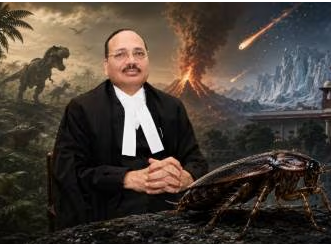
The anger of India’s youth is real.
Their unemployment is real.
Their disconnection from politics is real.
But,
You are not cockroaches.
You are the future of India.
Yet, to build that future—you must awaken.
Not by the choices of an algorithm—but through your own consciousness.
References
1. Cambridge Analytica — UK ICO Investigation Report (2018)
2. Stanford Internet Observatory — Bot Networks & Political Manipulation Studies
3. MIT Media Lab — False News Spread Research
4. European Union Digital Services Act (2023)
5. World Economic Forum Global Risks Report
6. Azim Premji University — State of Working India 2026
7. HypeAuditor Political Followers Analysis
8. OECD Reports on AI & Democracy
9. Meta Transparency Reports
10. Google Algorithm Policy Papers